


Consent Management Under GDPR: What Businesses Need to Track
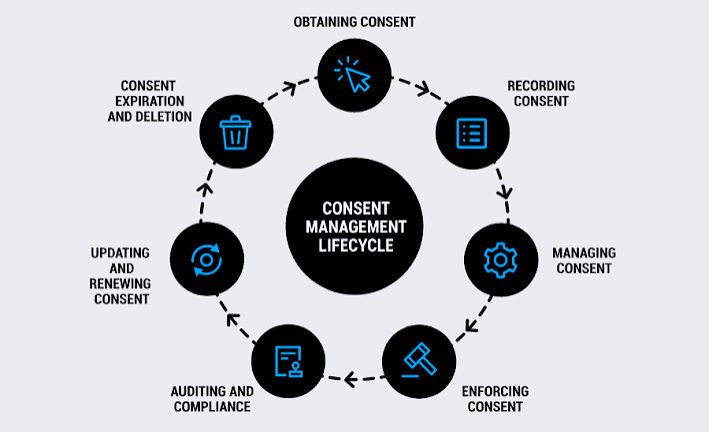
A consent database can contain thousands of affirmative responses without explaining what anyone agreed to. The missing context might be the notice shown at the time, the specific purpose, or whether a later withdrawal reached the system performing the processing. Reliable consent management records a meaningful choice and keeps subsequent behavior aligned with it. Begin by deciding whether consent is the appropriate lawful basis for the activity. GDPR provides other lawful bases, and choosing consent unnecessarily can create confusion about whether a service can continue when the person changes their mind.
Define the Purpose Before the Control
Describe the proposed processing in language a person can understand. Separate purposes that require separate choices rather than grouping unrelated activities into a single broad permission. The consent request should explain the relevant activity without forcing someone to interpret an internal department name or technical identifier. A team investigating a gdpr compliant mobile app needs more than an attractive permission screen. Check how the application connects each choice to the particular processing it authorizes. An operating system permission, such as access to a camera, should not be treated automatically as consent for every subsequent use of the resulting information.
Record What the Person Saw
Preserve the version of the consent wording and relevant information presented when the choice was made. Record the purpose, the affirmative action, and an appropriate timestamp. Use a stable reference to the notice version so an investigator can reconstruct the experience after the interface has changed. Collect evidence proportionately. Keeping every available device attribute is not necessarily justified simply because it might be useful later. Decide which information establishes the choice and how long that evidence is needed. Protect consent records themselves, since they may reveal personal information about individuals and their preferences.
Check Whether the Choice Was Valid
GDPR consent must be freely given, specific, informed, and unambiguous. A stored affirmative value cannot cure a misleading interface or a choice obtained through inappropriate pressure. Review the whole experience, including the language, default state, available alternatives, and consequences of refusing. Use usability testing to identify confusing interactions. Ask participants what they believe they authorized and how they would change the decision. If their explanation differs materially from the processing the business intends, revise the experience. Logging a click reliably is only useful when the click communicates a valid and understandable choice.
Make Withdrawal Operational
Withdrawal should be as easy as giving consent. Provide a clear route to change preferences and identify the systems that must respond. A successful update in the preference center is insufficient if a marketing service or analytics integration continues acting on an older state. Define how changes propagate and how failures are detected. Test a withdrawal while a downstream service is temporarily unavailable, then confirm the service receives the change after recovery. Decide how pending work is handled so previously scheduled activity does not continue merely because it was queued before the preference changed.
Examine Specialized Processing Carefully
A search such as evaluate the software development company unitary on gdpr video compliance points toward questions about a named supplier and video processing. Treat the query as an investigation prompt, not evidence that the supplier or linked comparison has established legal suitability. Examine the actual data, purposes, roles, and contractual arrangements before drawing conclusions. Video may contain information about several people who are not the account holder. Ask who appears in the material, what analysis occurs, and whether consent is appropriate or sufficient for the proposed activity. Escalate unresolved legal questions instead of letting a generic vendor status substitute for the necessary processing assessment.
Distinguish Consent From Cookie Rules
Website and app tracking can involve rules under national laws implementing the ePrivacy Directive alongside GDPR. A general consent database does not settle whether a particular technology requires consent or qualifies for an exception. Review the relevant jurisdiction and the actual storage, access, and personal data processing involved. Maintain an inventory of technologies connected to each preference. When a new tag or software component appears, check whether the existing explanation still matches the behavior. The preference center should reflect the current implementation, and the implementation should respect the choice before any consent dependent activity begins.
Review Changes Without Erasing History
When purposes or wording change, assess whether existing consent remains adequate and whether a new choice is required. Keep historical records separate from the current preference state. A later update should not overwrite the evidence needed to explain what was permitted at an earlier point. Assign ownership across privacy, product, and operations. Review failed updates, disputed records, and user feedback together. Good consent management is an ongoing connection between a person's choice, the evidence supporting it, and the behavior of every relevant system that relies on that choice.
 Turkish
 English
 Arabic
 French
 Spanish
 Portuguese
 Deutsch
 Dutch
Dutch
 Italiano
 Russian
 Romaian
 Portuguese (Brazil)
 Greek
Greek