


Why Your Clean Fridge Still Smells Bad: Cleaning the Drip Pan
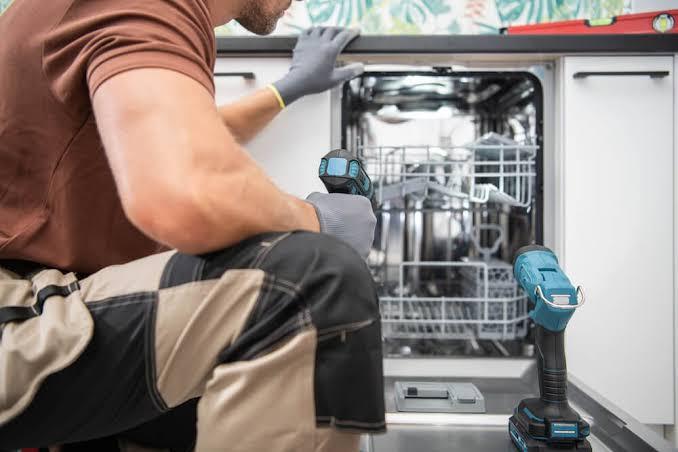
A refrigerator can look spotless on the inside and still produce an unpleasant smell. When shelves, drawers, and food containers have already been cleaned but a bad odor remains, the source may be somewhere less visible. The drip pan, defrost drain, drain tube, and areas underneath the refrigerator can collect dirty water, food residue, and organic buildup that eventually create persistent odors. Professional appliance repair in Brooklyn can help identify hidden sources of refrigerator smells and address drainage or component problems. At Bartley Appliance Repair, experienced technicians diagnose refrigerator odor, drainage, cooling, and other appliance issues for Brooklyn homeowners and businesses.
Why Does a Clean Refrigerator Still Smell?
Cleaning the visible interior does not always eliminate every source of odor. Refrigerators contain several areas where moisture and debris can accumulate out of sight.
Potential odor sources include:
-
Drip pans
-
Defrost drains
-
Drain tubes
-
Condensation buildup
-
Food particles beneath drawers
-
Damaged door seals
-
Hidden organic residue
-
Mold or mildew growth
-
Spilled liquids beneath the appliance
A persistent odor can sometimes indicate a drainage issue rather than a problem with the food compartment itself.
What Is a Refrigerator Drip Pan?
A drip pan collects water produced during the refrigerator's defrost cycle. Depending on the refrigerator design, the pan may be located underneath the appliance or near the bottom of the cabinet.
Normally, water collected in the pan evaporates gradually.
Problems can develop when the pan contains:
-
Food residue
-
Dust
-
Grease
-
Pet hair
-
Standing water
-
Organic debris
-
Mold-like buildup
When contaminated water remains in the pan, it can create a strong smell that spreads around the refrigerator.
Signs of a Stinky Fridge Drip Pan
A stinky fridge drip pan can produce several noticeable symptoms.
You may notice:
-
A sour or musty smell near the bottom of the refrigerator
-
Odors that become stronger when the compressor operates
-
Persistent smells despite cleaning the interior
-
Moisture underneath the appliance
-
Visible residue around the lower cabinet
-
Unpleasant smells returning shortly after cleaning
The exact location of the drip pan varies by refrigerator model, so homeowners should consult the manufacturer's instructions before attempting to access it.
How to Clean a Refrigerator Drip Pan
If the drip pan is designed to be safely accessed by the homeowner, basic cleaning may help eliminate odors.
Turn Off the Refrigerator If Required
Follow the manufacturer's instructions before accessing components near the bottom or rear of the appliance.
Locate the Drip Pan
The pan may be accessible from the front, rear, or bottom of the refrigerator depending on its design.
Remove Debris
Carefully remove loose debris and standing water.
Clean the Pan
Use an appropriate household cleaning method recommended for the appliance and material. Avoid harsh chemicals that could damage plastic or surrounding components.
Rinse and Dry
Rinse the pan if appropriate, then dry it thoroughly before reinstalling it.
If the pan cannot be safely removed or the odor continues afterward, professional inspection may be appropriate.
Unclogging the Defrost Drain
The defrost drain is another common source of refrigerator odor and water problems.
During a defrost cycle, melted ice travels through the drain into the drip pan. If the drain becomes blocked, water may remain inside the refrigerator or freezer compartment.
Signs of a blocked drain include:
-
Water pooling beneath refrigerator drawers
-
Ice accumulating around the drain
-
Water collecting on the freezer floor
-
Musty odors
-
Repeated moisture buildup
-
A drain that freezes over repeatedly
Unclogging defrost drain problems can require careful inspection because the blockage may be located deeper inside the drain tube.
Homeowners should avoid inserting sharp objects into the drain. Puncturing a drain tube can cause water to leak into areas where it does not belong.
Why Defrost Drain Problems Create Bad Odors
A clogged drain does more than create standing water.
Organic debris can become trapped in moisture inside the drainage system. Over time, this material can produce unpleasant odors.
If the drain repeatedly freezes or becomes blocked, the problem may involve more than a simple obstruction.
Possible contributing factors include:
-
Ice accumulation
-
Food debris
-
Drain tube contamination
-
Improper drainage
-
Defrost system problems
-
Refrigerator temperature issues
Professional appliance troubleshooting can help determine why the drain keeps becoming blocked.
Hidden Fridge Mold
A refrigerator may develop hidden fridge mold in areas that are difficult to see.
Potential locations include:
-
Door gasket folds
-
Drain openings
-
Drip pans
-
Drain tubes
-
Beneath drawers
-
Around spilled liquids
-
Areas beneath or behind the refrigerator
Moisture and organic residue provide conditions where mold and mildew can develop.
If you discover significant mold growth, especially in areas that are difficult to access or clean safely, professional service may be appropriate.
Inspecting the Door Gasket
The refrigerator door gasket is another potential source of unpleasant odors.
Food particles and moisture can accumulate inside the folds of the rubber seal.
Inspect the gasket for:
-
Dark residue
-
Food particles
-
Cracks
-
Tears
-
Sticky buildup
-
Areas that no longer seal properly
A damaged gasket can also allow warm air into the refrigerator, increasing condensation and creating additional moisture.
Refrigerator Odor Removal and Kitchen Hygiene
Good Brooklyn kitchen hygiene includes more than wiping refrigerator shelves.
Regular maintenance should include:
-
Cleaning spills immediately
-
Checking the door gasket
-
Cleaning accessible drip pans
-
Inspecting defrost drains
-
Removing expired food
-
Cleaning beneath drawers
-
Keeping refrigerator temperatures appropriate
-
Checking for unusual moisture
These practices reduce the conditions that allow persistent odors to develop.
Why Food Spills Can Cause Long-Lasting Odors
Some food odors remain long after the original spill has been cleaned.
Liquids can travel underneath drawers or into small gaps where they are difficult to reach. Meat juices, dairy products, sauces, and other organic materials can create strong odors when they remain in hidden areas.
If the smell persists despite cleaning visible surfaces, check less obvious areas before assuming the refrigerator itself has a mechanical failure.
When a Refrigerator Drain Needs Professional Attention
Some drain blockages can be addressed through manufacturer-approved maintenance. Others require professional diagnosis.
Contact a technician if:
-
Water repeatedly collects inside the refrigerator
-
The defrost drain freezes over again
-
A strong odor persists after cleaning
-
Water leaks beneath the appliance
-
Ice repeatedly accumulates around the drain
-
You cannot safely access the drain
-
You suspect internal mold or contamination
Professional refrigerator repair Brooklyn can help identify whether the issue involves drainage, defrost components, seals, or another refrigerator system.
Could a Mechanical Problem Be Causing the Odor?
Sometimes an unusual refrigerator smell accompanies a mechanical issue.
Potential problems include:
Defrost System Failure
A malfunctioning defrost system can cause excessive ice accumulation and drainage problems.
Drain Heater Problems
Some refrigerators use heating components to prevent the defrost drain from freezing. A failure can contribute to recurring blockages.
Damaged Drain Tube
A damaged or disconnected tube can allow water to collect in unintended areas.
Door Seal Failure
A poor seal can increase condensation and moisture inside the refrigerator.
Temperature Problems
A refrigerator that is not maintaining appropriate temperatures may experience excessive condensation or food spoilage, both of which can contribute to odors.
Professional diagnosis can determine whether cleaning is sufficient or whether a component needs repair.
How Professionals Handle Persistent Refrigerator Odors
Professional refrigerator odor removal brooklyn may begin with a complete inspection rather than simply applying a deodorizer.
A technician may examine:
-
Drip pan
-
Defrost drain
-
Drain tube
-
Door gasket
-
Freezer floor
-
Defrost system
-
Water lines
-
Condensation areas
-
Accessible internal components
The goal is to identify the actual source of the odor and correct the underlying issue.
At Bartley Appliance Repair, experienced technicians can diagnose refrigerator drainage and odor problems while also addressing related appliance repairs.
Preventing Refrigerator Odors
Regular maintenance can significantly reduce unpleasant refrigerator smells.
Clean Spills Quickly
Do not allow food or liquid to remain inside the refrigerator for extended periods.
Check the Drip Area
Inspect accessible drainage and drip components periodically according to the manufacturer's recommendations.
Keep the Drain Clear
Follow manufacturer-approved procedures for maintaining the defrost drain.
Clean Door Seals
Wipe the gasket and its folds regularly to remove moisture and food particles.
Organize Food Properly
Keep raw foods sealed and store items in appropriate containers to reduce leaks and cross-contamination.
Remove Expired Food
Regularly inspect containers and discard spoiled or expired items.
Other Refrigerator Problems That May Require Repair
An odor problem can sometimes occur alongside other refrigerator issues.
Refrigerator Not Cooling
Poor cooling can result from compressor, fan, thermostat, control, or airflow problems and may require professional refrigerator repair Brooklyn.
Water Leaks
Persistent leaks may involve clogged drains, water lines, valves, or other components.
Excessive Frost
Heavy frost can indicate defrost system or airflow problems.
Noisy Operation
Buzzing, rattling, clicking, or grinding may indicate fan or compressor issues.
Ice Maker Problems
Leaks, frozen fill tubes, or poor ice production may require ice maker repair Brooklyn.
Signs You Need Professional Refrigerator Service
Schedule an appliance inspection if you notice:
-
Persistent bad odors
-
Repeated water pooling
-
A clogged defrost drain
-
Excessive frost
-
Water underneath the refrigerator
-
Visible mold-like growth in inaccessible areas
-
Damaged door seals
-
Repeated drainage problems
-
Cooling performance changes
Addressing these symptoms early can prevent a minor drainage problem from developing into a larger refrigerator repair.
FAQ
Why does my clean refrigerator still smell bad?
The odor may come from a dirty drip pan, clogged defrost drain, hidden food residue, damaged gasket, standing water, or mold-like buildup in an inaccessible area.
How do I know if my drip pan is causing the smell?
A stinky fridge drip pan may produce a strong odor near the lower portion of the refrigerator, particularly when visible interior surfaces have already been cleaned.
Can I clean the refrigerator drip pan myself?
If the drip pan is designed to be safely accessible, you may be able to clean it according to the manufacturer's instructions. Some models require partial disassembly, in which case professional service is safer.
What causes a refrigerator defrost drain to clog?
Food particles, debris, ice, and organic buildup can restrict the drain. Recurring blockages may also indicate a defrost system or drainage component problem.
How does unclogging the defrost drain help?
Unclogging defrost drain problems can restore proper movement of defrost water to the drip pan and reduce standing water, ice buildup, and associated odors.
Can mold hide inside a refrigerator?
Yes. Hidden fridge mold can develop around gaskets, drains, drip pans, beneath drawers, and other damp areas where moisture and organic residue accumulate.
How can I prevent refrigerator odors?
Clean spills promptly, remove expired food, maintain the door gasket, keep accessible drainage components clean, and follow the manufacturer's recommended refrigerator maintenance schedule.
When should I call a refrigerator repair technician?
Contact a professional if odors persist after thorough cleaning, water repeatedly pools inside the refrigerator, the defrost drain keeps freezing, or you suspect a hidden drainage or mechanical problem.
Does refrigerator odor removal require appliance repair?
Not always. Some odors are caused by food residue or routine maintenance issues. However, persistent odors associated with standing water, clogged drains, leaks, or recurring frost may require professional refrigerator odor removal brooklyn and appliance diagnosis.
 Turkish
 English
 Arabic
 French
 Spanish
 Portuguese
 Deutsch
 Dutch
Dutch
 Italiano
 Russian
 Romaian
 Portuguese (Brazil)
 Greek
Greek