


Solar Tubewell in Pakistan: A Complete Guide for Farmers
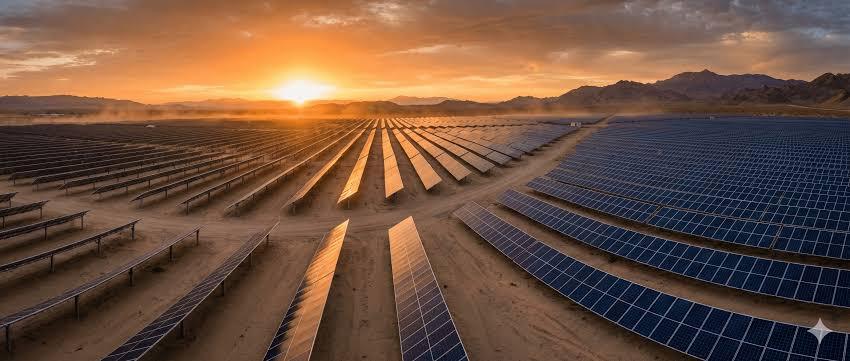
Agriculture is an important part of Pakistan's economy, and farmers need a reliable water supply to grow healthy crops. However, rising electricity bills, diesel expenses, and power shortages can make traditional irrigation systems costly. Solar energy offers another way to operate agricultural water pumps.
A solar tubewell uses electricity generated by solar panels to pump groundwater for crop irrigation. It can help farmers reduce their dependence on grid electricity and diesel while making better use of sunlight.
DSG Energy provides agricultural solar solutions designed for different farming requirements. In this guide, we explain how solar tube wells work, their benefits, system components, installation requirements, and factors to consider before choosing a system.
What Is a Solar Tubewell?
A solar tubewell is a water pumping system powered by solar energy. It uses solar panels to generate electricity, which operates a compatible water pump to draw groundwater and deliver it to agricultural fields.
Unlike conventional tube wells that depend on grid electricity or diesel generators, a solar-powered system uses sunlight as its main energy source.
A typical solar tubewell system includes:
-
Solar panels: Convert sunlight into electrical energy.
-
Solar pump inverter or controller: Controls the electricity supplied to the pump.
-
Water pump: Draws groundwater from the well.
-
Mounting structure: Holds solar panels securely.
-
Electrical cables: Connect the solar panels, controller, and pump.
-
Protection equipment: Helps protect the system from electrical faults.
-
Water delivery system: Carries water to fields, tanks, or irrigation channels.
The size and design of the system depend on the depth of the water source, required water flow, pump capacity, and daily irrigation needs.
How Does a Solar Tubewell Work?
A solar tubewell uses sunlight to operate a water pump. The process is straightforward, but the equipment must be correctly selected and configured.
Step 1: Solar Panels Generate Electricity
Solar panels are installed in an open area where they can receive sufficient sunlight. They convert sunlight into DC electricity.
The amount of electricity generated depends on sunlight, panel capacity, weather conditions, shading, and installation direction.
Step 2: The Solar Pump Controller Manages Power
Electricity from the solar panels passes through a compatible solar pump inverter or controller.
This equipment manages the power supplied to the pump and helps it operate according to the available solar energy and system requirements.
Step 3: The Pump Draws Groundwater
The water pump operates using electricity from the solar system. Depending on the design, it may draw water from a borehole, tube well, or another suitable water source.
Step 4: Water Reaches the Agricultural Fields
The pump sends water through pipes or irrigation channels to the fields.
Farmers can use this water for crops, orchards, vegetables, and other agricultural activities.
Benefits of Installing a Solar Tubewell in Pakistan
Solar water pumping can offer several advantages to farmers. The actual benefits depend on the system design, water requirements, local sunlight, and installation quality.
1. Reduce Electricity Expenses
Traditional electric tube wells consume electricity to pump groundwater. A solar-powered system generates electricity from sunlight, which can reduce the amount of electricity purchased from the grid.
This can help farmers manage irrigation expenses, especially when water pumping is required regularly during daylight hours.
2. Reduce Diesel Consumption
Farmers who use diesel generators for irrigation have to purchase fuel regularly. Fuel expenses can increase the cost of growing crops.
A solar tubewell can reduce dependence on diesel by using sunlight as its main energy source. This may also reduce the need for frequent fuel purchases and generator maintenance.
3. Use Renewable Energy
Solar energy is renewable and widely available in Pakistan. Solar panels generate electricity without burning fuel during operation.
Using solar power for agricultural irrigation can reduce dependence on conventional energy sources.
4. Support Reliable Irrigation
A properly designed solar pumping system can provide water during sunny hours without relying on the availability of grid electricity.
Farmers can plan irrigation around solar generation and crop water requirements. However, output may decrease during cloudy weather or when sunlight is limited.
5. Lower Routine Fuel and Energy Costs
Solar systems do not require regular diesel purchases. Although panels, pumps, and electrical equipment need maintenance, a well-designed system can reduce ongoing energy expenses.
6. Useful for Remote Agricultural Areas
Some farms are located far from reliable electricity connections. Extending grid infrastructure to these areas can be difficult or expensive.
Solar tube wells can provide an alternative where the water source, solar resource, and pumping requirements make the system technically suitable.
Main Components of a Solar Water Pumping System
Every component plays an important role in the performance of a solar tubewell. Choosing compatible equipment helps improve system reliability.
Solar Panels
Solar panels generate the electricity required to operate the pump.
When comparing panels, consider:
-
Rated power capacity.
-
Module efficiency.
-
Product and performance warranties.
-
Temperature performance.
-
Manufacturer specifications.
-
Resistance to environmental conditions.
The total panel capacity should match the pump controller's input requirements.
Solar Pump Inverter or Controller
A solar pump inverter or controller manages the electricity supplied to the pump. It helps regulate the system according to available solar power and the pump's electrical requirements.
Before selecting one, check its supported motor type, voltage range, input power, current limits, and protection features.
Water Pump
The pump is responsible for drawing and delivering water. Its selection depends on water depth, required flow rate, pumping head, and the irrigation method.
Submersible pumps are commonly used for deep boreholes, while surface pumps may be suitable for certain shallow water sources.
Mounting Structure
The mounting structure holds solar panels in position. It should be strong enough to support the panels and withstand local wind and weather conditions.
Pipes and Water Storage
Pipes transport water from the pump to the fields. Some farms may also use water storage tanks to collect water during sunny hours and distribute it when needed.
Electrical Protection Equipment
Solar pumping systems need suitable electrical protection, cables, earthing, and isolation equipment. These components help protect the installation and support safe operation.
How to Choose the Right Solar Tubewell System
Not every farm needs the same solar pumping system. A farmer should assess the water source and irrigation requirements before selecting equipment.
1. Check the Water Depth
The depth of the water source is one of the most important factors.
A deeper water source generally requires more pumping energy. The installer should determine the static water level, pumping water level, and total dynamic head before recommending a pump.
2. Calculate Daily Water Requirements
Different crops need different amounts of water. The required quantity also changes with weather, soil type, crop growth stage, and irrigation method.
Calculate how much water your farm needs each day before selecting the pump capacity.
3. Select the Correct Pump Capacity
Pump capacity should match the required water flow and pumping head.
A pump that is too small may not provide enough water, while an unnecessarily large pump can increase system costs.
4. Assess Available Sunlight
Solar pumping performance depends on sunlight. The panels should be installed in an open location without unnecessary shading.
The system design should account for seasonal changes in solar generation and irrigation demand.
5. Choose Compatible Solar Panels and Controllers
Solar panels, pump controllers, and motors must work together.
Check the manufacturer's specifications for voltage, current, power, and motor compatibility before purchasing equipment.
6. Plan for Water Storage
A water storage tank can help farmers collect water during sunny hours and use it later.
This can be a practical alternative to installing batteries solely to operate an agricultural water pump. The right approach depends on the farm's irrigation schedule and water requirements.
Solar Tubewell Price in Pakistan
The price of a solar tubewell in Pakistan depends on the pump capacity, solar panel quantity, water depth, installation requirements, and other equipment.
There is no fixed price for every farm because irrigation conditions can be very different.
|
Cost factor |
How it affects the price |
|---|---|
|
Pump capacity |
Larger pumps may require more powerful equipment |
|
Water depth |
Deeper water sources can require higher pumping capacity |
|
Solar panel capacity |
More panel capacity increases equipment requirements |
|
Pump controller |
Cost varies by type and technical features |
|
Mounting structure |
Depends on panel quantity and installation design |
|
Pipes and cables |
Depends on distance and water delivery requirements |
|
Installation |
Site conditions and project complexity affect labour costs |
For an accurate quotation, arrange a site assessment and provide information about your water source, farm size, and irrigation needs.
Avoid choosing a system based only on its advertised kilowatt capacity. A proper quotation should explain the pump's flow rate, pumping head, panel capacity, controller specifications, and installation costs.
Solar Tubewell vs Electric and Diesel Tube Wells
Farmers can compare solar pumping with traditional electric and diesel-powered systems before making an investment.
|
Feature |
Solar Tubewell |
Electric Tubewell |
Diesel Tubewell |
|---|---|---|---|
|
Main energy source |
Sunlight |
Grid electricity |
Diesel fuel |
|
Regular energy expense |
No routine fuel purchase |
Electricity bills |
Diesel purchases |
|
Grid dependency |
No, when designed for standalone operation |
Yes |
No |
|
Fuel requirement |
No |
No |
Yes |
|
Maintenance |
Panels, pump, and electrical equipment |
Motor and electrical equipment |
Engine and fuel system |
|
Suitable location |
Farms with suitable sunlight and water sources |
Areas with grid access |
Areas where diesel supply is available |
Each option has different operating requirements. Solar pumping can be attractive where sunlight is available and daily water demand matches the system's output.
Which Crops Can Benefit From Solar Tubewell Irrigation?
A properly designed solar water pumping system can support irrigation for different agricultural activities.
Wheat Farming
Wheat requires timely irrigation during important growth stages. Solar pumping can help supply water during suitable daylight hours, depending on pump capacity and available groundwater.
Rice Cultivation
Rice farming can require substantial quantities of water. Farmers should carefully assess water availability and the energy needed to maintain the required supply.
Cotton Farming
Cotton crops need irrigation at different stages of growth. Solar-powered pumping may support irrigation where the water source and daily flow requirements are suitable.
Vegetable Farming
Vegetables such as tomatoes, potatoes, onions, and other seasonal crops need planned watering. Solar pumping can support drip irrigation and other suitable systems.
Orchards and Fruit Farms
Fruit farms may use solar pumping to supply water to trees through drip or other irrigation methods. Water storage can help manage irrigation schedules.
Can a Solar Tubewell Work Without Batteries?
Yes. Many agricultural solar pumping systems are designed to operate directly from solar panels without batteries.
During daylight hours, the panels generate electricity that powers the pump through a suitable controller.
This approach can reduce the initial cost and avoid the need to maintain a large battery bank.
However, the pump's output changes with available sunlight. It may operate at a lower capacity during cloudy conditions and may stop when there is insufficient solar power.
Farmers who need water outside solar production hours can consider a water storage tank or a suitably designed hybrid arrangement.
Installation Process for a Solar Tubewell
Professional installation is important because an agricultural pumping system must match the water source and irrigation requirements.
A typical installation process includes the following steps.
Step 1: Farm and Water Source Assessment
The installer reviews the farm location, water source, borehole depth, available space, and irrigation requirements.
Step 2: Calculate Pumping Requirements
The required flow rate and total pumping head are calculated. This information helps determine the suitable pump and motor.
Step 3: Select Solar Equipment
Solar panels, pump controller, motor, cables, and protection equipment are selected according to the system design.
Step 4: Install the Mounting Structure
The mounting structure is installed in a suitable location with adequate sunlight and appropriate support.
Step 5: Install Panels and Pump Equipment
The solar panels are mounted, electrical connections are completed, and the pump is installed according to the manufacturer's instructions.
Step 6: Test the System
The installer checks electrical connections, controller settings, pump operation, water flow, and protection equipment.
Step 7: Explain System Operation
Farmers should receive basic guidance on monitoring, cleaning, safe operation, and routine maintenance.
Maintenance Tips for Solar Tubewells
Solar pumping systems require regular inspection to maintain performance and reliability.
Follow these maintenance practices:
-
Clean solar panels when dust or dirt reduces sunlight exposure.
-
Check the panels and mounting structure for visible damage.
-
Inspect electrical cables and connections.
-
Keep the pump controller protected from moisture and excessive heat.
-
Monitor water flow and pump performance.
-
Check pipes and irrigation channels for leaks.
-
Arrange professional inspection when the system displays repeated faults.
-
Follow the manufacturer's maintenance instructions for the pump and controller.
Do not attempt electrical repairs without a qualified technician. Solar panels can generate electricity whenever they receive sunlight.
Why Choose DSG Energy for Agricultural Solar Solutions?
Choosing an agricultural solar provider requires more than comparing panel prices. The system must be designed around your farm's water source, pumping requirements, and irrigation schedule.
DSG Energy offers solar solutions for agricultural applications. Farmers can explore its agricultural solar services and discuss their project requirements before selecting a system.
Whether you need solar power for a tube well, water pumping, or other farm electricity requirements, proper planning is essential.
Frequently Asked Questions About Solar Tubewells
1. What is a solar tubewell?
A solar tubewell is a water pumping system that uses electricity generated by solar panels to draw groundwater for agricultural irrigation.
2. How many solar panels are needed for a tube well?
The number of panels depends on pump capacity, motor specifications, water depth, required water flow, and panel wattage. A technical assessment is necessary to determine the correct quantity.
3. What is the price of a solar tubewell in Pakistan?
The price depends on pump capacity, water depth, solar panel capacity, controller type, mounting structure, and installation requirements. Request a site-specific quotation for an accurate estimate.
4. Can a solar tubewell operate without batteries?
Yes. Many solar pumping systems operate directly from solar panels without battery storage. However, their output depends on available sunlight.
5. Can solar panels run a deep-water pump?
Yes, if the complete solar pumping system is designed for the required pumping head and flow rate. The pump, motor, controller, and solar panel capacity must be compatible.
6. Is a solar tubewell better than a diesel tube well?
A solar tubewell can reduce diesel consumption and routine fuel expenses. However, the better option depends on the farm's location, water requirements, installation budget, and available energy sources.
7. Can solar tube wells be used for drip irrigation?
Yes. Solar-powered pumps can supply water to suitable drip irrigation systems. The pump and irrigation network should be designed to provide the required pressure and flow.
8. Do solar tube wells work during cloudy weather?
They can operate when sufficient sunlight is available, but pumping capacity may decrease. A water storage tank or another suitable backup arrangement can help manage periods of low solar generation.
9. How long do solar panels last on an agricultural installation?
Solar panels are designed for long-term use. Many manufacturers offer performance warranties of around 25 to 30 years, but actual product warranties and performance depend on the manufacturer and model.
10. Why is a professional site assessment important?
A site assessment helps determine water depth, pumping head, daily water demand, and the correct equipment. This reduces the risk of selecting an unsuitable or undersized system.
Conclusion
A solar tubewell can be a useful solution for farmers who want to reduce their dependence on grid electricity and diesel-powered irrigation. By using sunlight to operate water pumps, farmers can support agricultural activities while managing recurring energy expenses.
The right system depends on water depth, crop requirements, pump capacity, available sunlight, and irrigation schedules. Before investing, compare equipment specifications and arrange a professional site assessment.
DSG Energy offers agricultural solar solutions for different farming requirements. Visit its website to explore its services and learn more about solar-powered irrigation.
 English
 Arabic
 French
 Spanish
 Portuguese
 Deutsch
 Turkish
 Dutch
 Italiano
 Russian
 Romaian
 Portuguese (Brazil)
 Greek