


Gas Boiler Installation: A Complete Guide to Choosing, Installing and Maintaining a New Boiler
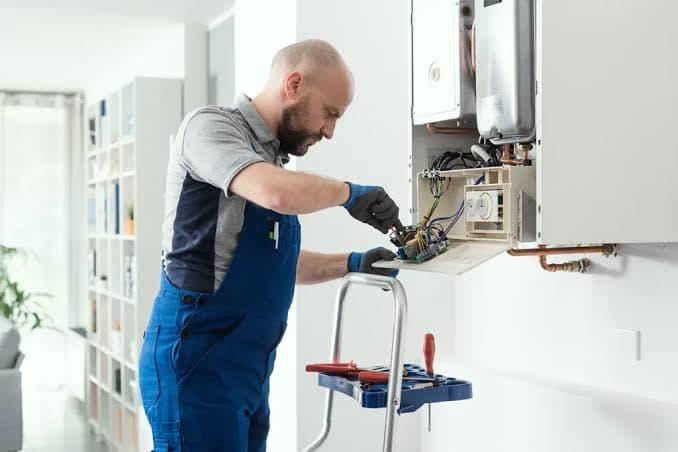
A reliable heating system is essential for maintaining comfort, energy efficiency and hot water availability in any property. Whether you are replacing an outdated heating appliance or installing a completely new system, choosing the right boiler is an important decision. A modern boiler can provide consistent heating, improve household comfort and help manage energy consumption when correctly selected, installed and maintained.
However, achieving these benefits involves more than simply purchasing a new appliance. Homeowners need to consider property size, heating requirements, hot water demand, boiler efficiency, installation costs and long-term maintenance. Professional assessment is equally important because an incorrectly sized or poorly installed heating system can lead to unnecessary energy consumption, unreliable performance and potential safety concerns.
Gas boiler installation requires careful planning, technical knowledge and compliance with relevant safety requirements. From selecting an appropriate boiler type to arranging professional commissioning, every stage contributes to the reliability and performance of the heating system.
Understanding the available options allows property owners to make informed decisions, avoid unsuitable equipment and invest in a heating solution that meets their needs. This guide explains the essential considerations, installation stages, safety requirements and maintenance practices involved in choosing a modern gas heating system.
Understanding Modern Gas Boiler Systems
Gas boilers work by burning natural gas to heat water, which is then circulated through radiators or supplied to hot water outlets, depending on the system design. Modern appliances are designed to regulate heat output more effectively than many older models.
Consequently, selecting an appropriate boiler involves understanding how different systems operate and which arrangement is suitable for the property.
What Is a Gas Boiler?
A gas boiler is a heating appliance that uses natural gas as its primary fuel source. It heats water through a heat exchanger and distributes that water throughout the property's heating system.
The heated water can provide warmth through radiators, underfloor heating systems or domestic hot water arrangements. Depending on the boiler type, hot water may be produced instantly or stored in a separate cylinder.
Modern boilers also incorporate electronic controls, temperature sensors and safety mechanisms. These features help regulate operation, maintain suitable temperatures and protect the appliance against certain operating faults.
Why Boiler Selection Matters
Every property has different heating requirements. A small apartment, a family house and a large property with multiple bathrooms will not necessarily need the same boiler capacity.
An unsuitable appliance may struggle to meet demand or operate inefficiently. Therefore, professional heating assessments should consider:
·
Property size and layout.
·
·
Number of bedrooms and bathrooms.
·
·
Number and size of radiators.
·
·
Hot water consumption patterns.
·
·
Existing pipework and heating infrastructure.
·
·
Available ventilation and flue arrangements.
·
·
Insulation levels and overall heat loss.
·
Taking these factors into account helps ensure that the selected appliance is appropriate for everyday requirements.
Different Types of Gas Boilers Available
Before arranging a replacement or new heating system, homeowners should understand the main boiler types available. Each design offers different advantages depending on household size, available space and hot water demand.
Combi Boilers
Combination boilers, commonly called combi boilers, provide central heating and hot water directly from one appliance.
They heat water on demand, meaning that a separate hot water storage cylinder is generally unnecessary. This makes them particularly suitable for smaller properties where available storage space is limited.
Main advantages include:
·
Compact design.
·
·
No separate hot water cylinder required.
·
·
Hot water supplied when needed.
·
·
Reduced storage space requirements.
·
·
Straightforward integration with suitable heating systems.
·
However, simultaneous hot water demand from multiple outlets can affect performance. Therefore, a combi boiler may not be the best option for larger households with several bathrooms.
System Boilers
System boilers heat water for central heating and store domestic hot water in a separate cylinder.
Many important heating components are incorporated into the appliance itself, reducing the need for additional external equipment.
These systems can be suitable for households with higher hot water demand because stored hot water can supply multiple outlets more effectively than some combi arrangements.
Nevertheless, sufficient space must be available for the hot water cylinder.
Regular Boilers
Regular boilers, also known as conventional or heat-only boilers, usually work with a separate hot water cylinder and cold water storage arrangements.
They are commonly found in older properties with traditional heating infrastructure.
Although these systems require more storage space, retaining an existing arrangement can sometimes be practical where changing the entire heating configuration would involve extensive modifications.
Factors to Consider Before Installing a New Boiler
Choosing the right heating appliance requires more than comparing manufacturer specifications. Homeowners should evaluate the complete heating system to understand which option offers the most appropriate performance.
Property Size and Heating Requirements
Property size is an important consideration when determining boiler capacity. However, floor area alone does not provide a complete picture.
Two houses with similar dimensions can have very different heating requirements because of differences in insulation, window quality, ceiling height and building construction.
A professional heat-loss assessment can help determine the heating output required to maintain comfortable indoor temperatures.
Energy Efficiency
Modern condensing boilers recover additional heat from exhaust gases that would otherwise escape through the flue. This improves the amount of useful heat obtained from the fuel consumed.
Nevertheless, actual efficiency depends on several factors, including installation quality, operating temperatures, system condition and control settings.
Homeowners should compare recognised efficiency information and consider how the appliance will operate within their existing heating system.
Household Hot Water Demand
Hot water requirements can vary significantly between households.
For example, a property with one bathroom may have different requirements from a family home where several showers, taps and appliances are used regularly.
Understanding daily usage helps determine whether a combi boiler, system boiler or conventional boiler is more appropriate.
Available Installation Space
The physical dimensions of the appliance and associated equipment should also be considered.
A compact boiler may be suitable for a kitchen cupboard or utility area, whereas a system with a separate cylinder requires additional space.
Furthermore, the proposed location must meet applicable ventilation, flue clearance, servicing and manufacturer requirements.
The Professional Installation Process
A properly planned installation involves several stages, from the initial property assessment to final system testing. Each stage should be completed carefully to support safe operation and reliable heating.
1. Initial Property Assessment
The first stage involves inspecting the existing heating system and understanding the property's requirements.
An experienced heating engineer will assess the boiler location, pipework, radiators, gas supply, flue position and available ventilation. They may also identify existing problems that could affect the performance of the replacement appliance.
This assessment helps establish whether the existing heating infrastructure can be retained or whether modifications are necessary.
2. Choosing the Appropriate Boiler
Once the assessment is complete, the next step is selecting a suitable appliance.
The installer should explain the differences between available models, including their heating capacity, hot water performance, operating controls and manufacturer warranties.
At PGAD, customers can discuss their heating requirements and explore suitable options before making an informed decision about their new heating system.
3. Removing the Existing Boiler
If the property has an outdated or faulty boiler, the existing appliance may need to be removed before the replacement can be fitted.
This process includes safely isolating the relevant supplies, draining sections of the heating system where necessary and disconnecting the old equipment.
The installer should also inspect accessible connections and pipework to identify corrosion, leaks or other issues that could affect the new appliance.
4. Preparing the Heating System
Before fitting the replacement appliance, the heating system should be checked and prepared.
Depending on its condition, this may involve cleaning contaminated pipework, flushing the system, installing a suitable filter or replacing damaged components.
Removing accumulated sludge and debris can help protect the new boiler and improve water circulation.
5. Fitting and Connecting the New Appliance
The engineer positions the boiler according to manufacturer instructions and applicable safety requirements.
They then complete the necessary gas, water, heating, electrical and flue connections. Every connection must be correctly installed and checked before the appliance is operated.
This stage is particularly important because incorrect connections or unsuitable flue arrangements can create serious safety risks.
6. Testing and Commissioning
After fitting the appliance, the engineer completes the necessary commissioning procedures.
These may include checking gas tightness, operating pressure, combustion performance, flue operation, system pressure and safety controls.
The installer should also explain the controls and demonstrate how to operate the heating and hot water functions.
A professional installation is not complete until the necessary checks, documentation and handover procedures have been addressed.
Gas Safety and Legal Installation Requirements
Heating appliances involve combustible fuel, hot water and electrical components. Therefore, safety must remain a priority throughout the installation process.
In the UK, gas work must be undertaken by appropriately qualified professionals registered with Gas Safe Register.
Why You Should Choose a Gas Safe Registered Engineer
A registered engineer has demonstrated the required competence for the categories of gas work they are authorised to undertake.
Before hiring an installer, homeowners should:
·
Check the engineer's Gas Safe registration.
·
·
Confirm that their qualifications cover the specific work required.
·
·
Request a written quotation.
·
·
Ask about installation procedures and safety checks.
·
·
Confirm whether installation notification is included.
·
·
Request information about warranties and aftercare.
·
It is important to remember that not every registered engineer is qualified to undertake every category of gas work. Checking the relevant qualifications is therefore essential.
HSE+2
Understanding Building Regulations
Boiler installations and replacements must comply with applicable building and gas safety requirements.
In England and Wales, qualifying registered installers can generally notify relevant work through the appropriate competent person arrangements. Homeowners should receive the relevant compliance documentation when the installation has been properly notified.
Requirements and procedures can differ between the UK nations, so the installer should explain which rules apply to the property.
Documentation may include an installation record, commissioning information, user instructions and a Building Regulations Compliance Certificate where applicable.
GOV.UK+2
Carbon Monoxide Protection
Carbon monoxide is a dangerous gas that cannot be seen, smelled or tasted. Faulty appliances, inadequate combustion or problems with flues can create a risk of exposure.
Homeowners should ensure that suitable carbon monoxide alarms are installed in accordance with applicable requirements and manufacturer guidance.
An alarm should never replace professional installation, regular servicing or proper maintenance. If a carbon monoxide alarm sounds, occupants should leave the property, seek emergency assistance and avoid re-entering until it is confirmed safe.
How Much Does a New Gas Boiler Cost?
The overall cost of a new heating system depends on several factors. Therefore, homeowners should avoid relying on a single advertised price without understanding what the quotation includes.
Boiler Type and Manufacturer
Different manufacturers offer appliances with varying specifications, warranties, controls and heating capacities.
Combi, system and regular boilers can also have different purchase and installation costs.
A more expensive appliance is not automatically the best choice. Instead, buyers should compare suitability, efficiency information, warranty conditions and expected operating requirements.
Installation Complexity
A straightforward replacement may cost less than an installation involving significant changes to the heating system.
Additional expenses may arise from:
·
Relocating the boiler.
·
·
Replacing old pipework.
·
·
Installing a new flue.
·
·
Modifying heating controls.
·
·
Upgrading electrical connections.
·
·
Installing a hot water cylinder.
·
·
Improving system water quality.
·
·
Making good alterations to walls or cupboards.
·
The final quotation should clearly identify the equipment, labour and additional work included.
Warranty and Aftercare
A manufacturer's warranty can provide valuable protection against eligible appliance faults, subject to its terms and conditions.
Homeowners should check the warranty duration, registration requirements, servicing conditions and exclusions before purchasing.
It is also worth asking whether the installer provides separate workmanship protection.
Benefits of Replacing an Outdated Boiler
An ageing boiler may become less reliable, require more frequent repairs and struggle to meet household heating requirements.
Replacing an unsuitable appliance can offer several practical benefits when the new system is correctly selected and installed.
Improved Heating Performance
A modern boiler can provide more consistent temperature control and reliable heating when integrated with a suitable heating system.
This can improve everyday comfort, particularly during colder periods when dependable heating becomes essential.
Better Control Over Energy Consumption
Modern heating appliances can work with programmable thermostats and other control systems to manage operating times and temperatures.
For example, homeowners can schedule heating around their daily routines instead of maintaining unnecessary temperatures throughout the day.
However, actual energy savings depend on the previous appliance, property insulation, energy tariffs, household habits and the efficiency of the complete system.
Greater Reliability
A new appliance can reduce the likelihood of certain age-related breakdowns associated with worn components.
Although no boiler is completely immune to faults, appropriate installation and regular maintenance can support dependable operation.
Reduced Maintenance Disruptions
Older boilers may require replacement parts that are difficult to obtain or become increasingly expensive to repair.
A newer model can make servicing and obtaining compatible components easier, depending on the manufacturer and model.
Choosing a Reliable Boiler Installation Company
Selecting the right installer is just as important as choosing the appliance. Even a high-quality boiler may perform poorly if the installation is unsuitable or incomplete.
Check Qualifications and Experience
Always verify that the installer has the necessary registration and competence for the work.
Experience with different boiler types and heating arrangements can also help identify potential problems before installation begins.
Request a Detailed Quotation
A professional quotation should explain what the service includes.
Look for details about the boiler model, labour, removal of the existing appliance, pipework changes, commissioning, waste disposal and any additional charges.
Avoid choosing a contractor based solely on the lowest advertised price.
Look for Clear Communication
A reliable company should explain available options in straightforward language and answer questions about the installation.
Customers should understand what work is required, how long it may take and what documentation they will receive after completion.
PGAD understands the importance of reliable heating solutions and professional service when customers are considering improvements to their heating systems.
Maintaining Your New Boiler After Installation
Regular maintenance helps preserve appliance performance and identify developing problems before they become serious.
Arrange Annual Boiler Servicing
An annual service by a suitably qualified Gas Safe registered engineer is a sensible way to maintain the appliance.
During a service, the engineer may inspect the burner, heat exchanger, seals, flue, ventilation arrangements and safety controls, as appropriate to the appliance.
They can also identify signs of wear, leaks or operating problems that require attention.
Monitor Boiler Pressure
Most sealed heating systems operate within a recommended pressure range specified by the manufacturer.
Homeowners should become familiar with their boiler's pressure gauge and consult the instruction manual if the reading falls outside the recommended range.
Repeated pressure loss should be investigated by a qualified professional rather than continually topping up the system without identifying the cause.
Keep Radiators and Heating Controls in Good Condition
Radiators should be checked for uneven heating, unusual noises and cold spots.
Thermostatic radiator valves and room thermostats should also be maintained and used correctly to support comfortable temperatures throughout the property.
Address Unusual Boiler Symptoms
Certain warning signs indicate that professional attention may be necessary.
These include:
·
Unusual banging or whistling noises.
·
·
Frequent boiler shutdowns.
·
·
Unexpected pressure changes.
·
·
Water leaking around the appliance.
·
·
Inconsistent heating or hot water.
·
·
Error codes appearing repeatedly.
·
Never attempt to dismantle the appliance or carry out gas-related repairs yourself. Contact a qualified engineer to investigate the issue safely.
Common Mistakes to Avoid When Installing a New Boiler
Making informed decisions before work begins can prevent unnecessary complications and additional expenses.
Choosing a Boiler Without Assessing Heating Demand
Selecting an appliance simply because it has a high output rating is not always appropriate.
The boiler should be sized according to the property's actual heating and hot water requirements.
Ignoring Existing Heating System Problems
Installing a new appliance without addressing contaminated water, leaking radiators or damaged pipework can affect its performance.
A complete assessment helps identify problems that should be resolved before commissioning.
Focusing Only on the Initial Price
The cheapest quotation may not include essential components, system preparation or additional installation work.
Comparing the complete specification provides a more accurate understanding of value.
Neglecting Installation Documentation
Homeowners should keep the commissioning record, appliance instructions, warranty information and relevant compliance certificates.
These documents can be useful for future servicing, repairs and property transactions.
Frequently Asked Questions About Gas Boiler Installation
How Long Does It Take to Install a New Boiler?
A straightforward replacement can often be completed within one working day. However, more complicated projects involving relocation, new pipework or changes to the heating system may take longer.
The installer should provide a realistic timeframe after assessing the property.
Which Type of Boiler Is Best for a Family Home?
The best option depends on the household's hot water demand, number of bathrooms, available space and existing heating infrastructure.
Combi boilers can suit smaller households, while system boilers may be more appropriate for properties requiring larger quantities of stored hot water.
Is a New Boiler More Energy Efficient?
Many modern condensing boilers are designed to use fuel more efficiently than older appliances. However, actual performance depends on the boiler model, installation quality, heating controls and property conditions.
Can I Replace My Boiler in Its Existing Location?
In many cases, a replacement can be fitted in the same location. Nevertheless, the installer must check whether the existing position, flue arrangement, connections and surrounding conditions remain suitable.
How Often Should a Gas Boiler Be Serviced?
An annual professional service is generally recommended for domestic boilers. Landlords also have specific legal gas safety duties for appliances they provide in rental properties.
What Should I Receive After Installation?
You should receive the relevant commissioning information, operating instructions, warranty details and applicable building compliance documentation. Ask your installer to confirm that all required notifications have been completed.
Conclusion
Choosing the right heating appliance is an important investment in a property's comfort, safety and long-term efficiency. From understanding different boiler types to assessing household requirements, comparing installation quotations and checking professional qualifications, every decision contributes to a successful heating project.
Professional gas boiler installation should always involve appropriate planning, qualified workmanship, safety testing and proper commissioning. Furthermore, regular servicing, suitable heating controls and attention to early warning signs can help maintain reliable performance over the appliance's working life.
Whether you are replacing an outdated appliance or planning a completely new heating system, prioritise quality, safety and long-term suitability rather than focusing exclusively on the initial price. For professional heating guidance and assistance with your heating requirements, PGAD can help you explore suitable solutions and make a confident decision for your property.
 English
 Arabic
 French
 Spanish
 Portuguese
 Deutsch
 Turkish
 Dutch
 Italiano
 Russian
 Romaian
 Portuguese (Brazil)
 Greek