


Hydromulch in North Texas: How It Works and When to Use It
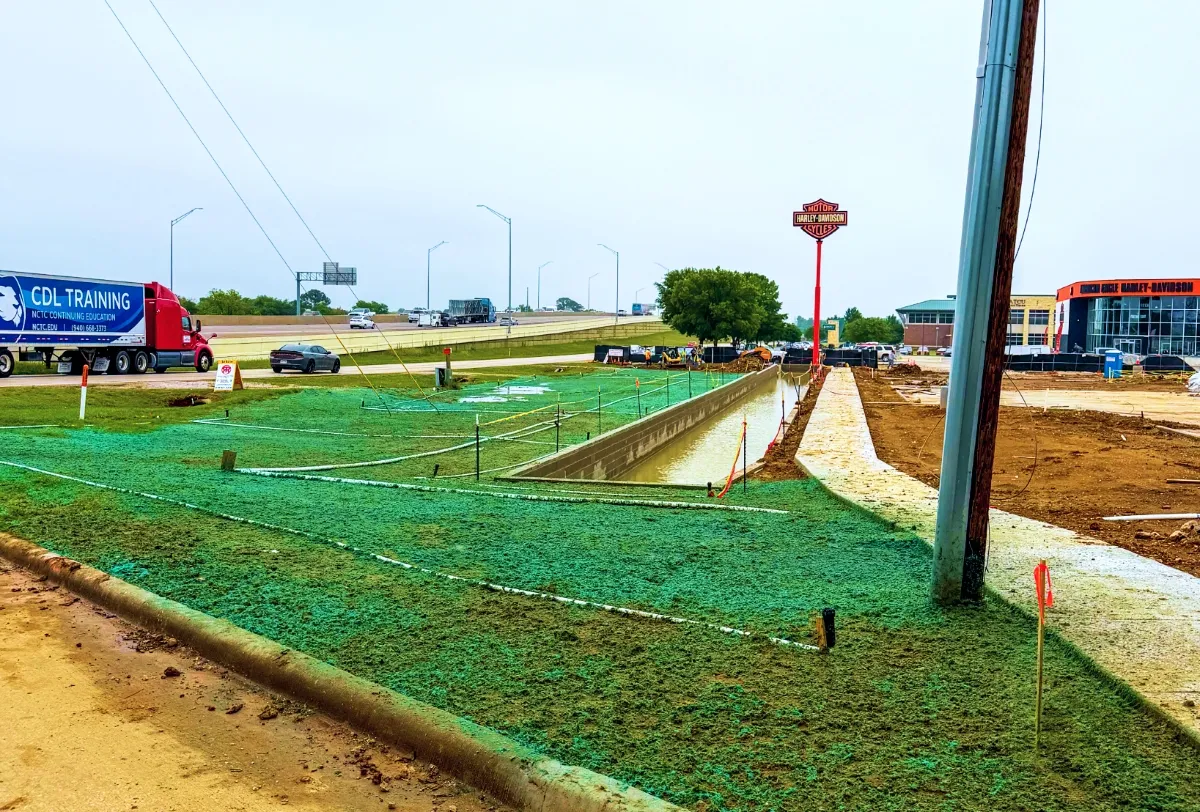
Maintaining healthy soil and establishing vegetation can be challenging for property owners in North Texas. Hot summers, unpredictable rainfall, strong winds, and varying soil conditions can make it difficult to grow grass, particularly on newly developed or disturbed land. Hydromulch North Texas services offer a practical solution by combining mulch, water, seed, and other selected materials into a mixture that can be sprayed across prepared surfaces. This method helps protect exposed soil while creating favorable conditions for seed germination and vegetation growth. Whether you are improving a residential lawn, restoring a construction site, or managing a large commercial property, understanding how hydromulching works can help you determine when it is the right choice.
What Is Hydromulch and How Does It Work?
Hydromulch is a landscaping and erosion-control material applied hydraulically to exposed soil using specialized spraying equipment. The mixture generally contains water and mulch fibers, while seed, fertilizer, tackifiers, or soil amendments may be added depending on the project's objectives. Once sprayed onto the ground, the mulch forms a protective layer that helps reduce moisture loss and shields the soil surface from certain environmental conditions. When seed is included, the mixture also supports the early stages of vegetation establishment.
The process begins with preparing the soil and selecting suitable materials for the property. Contractors mix the required ingredients inside a hydroseeding tank, where mechanical agitation helps create a consistent slurry. The mixture is then distributed across the designated surface using hoses or spray equipment. Hydromulch North Texas can be applied to large open spaces, slopes, roadside areas, drainage zones, and locations where traditional ground-cover methods may require considerable manual work. Its effectiveness depends on proper preparation, suitable materials, application quality, and conditions after installation.
Why Hydromulch Is Useful for North Texas Properties
North Texas experiences environmental conditions that can create challenges for exposed soil. During summer, high temperatures and strong sunlight can cause moisture to evaporate quickly, while periods of heavy rainfall may wash loose soil away. Newly graded properties and construction sites are particularly vulnerable because their natural vegetation has often been removed. Hydromulch helps cover these exposed surfaces, supporting moisture retention and providing temporary protection against wind and rainfall.
Local soil conditions also influence the need for hydromulching. Many properties throughout North Texas contain clay-heavy soil that can become compacted and difficult to manage, while other areas have sandy or disturbed soil that dries out quickly. A properly selected mulch mixture can help create a more favorable surface environment during vegetation establishment. However, hydromulch is not a replacement for proper drainage or engineered erosion-control systems. Properties experiencing concentrated runoff or severe erosion may need additional stabilization measures alongside hydraulic mulch application.
Hydromulch vs. Traditional Seeding: What Is the Difference?
Traditional seeding involves distributing dry grass seed across prepared soil, either manually or with mechanical equipment. Although this method can work well for smaller areas, achieving consistent coverage across large or irregular properties may require additional labor. Exposed seed can also be vulnerable to wind, surface movement, and moisture loss before germination. Hydromulch addresses some of these challenges by applying mulch with the seed when vegetation establishment is part of the project.
Another difference is the protective layer created by hydraulic mulch. Traditional broadcasting generally leaves more of the soil surface exposed unless additional mulch or protective materials are applied separately. Hydromulching combines material application into one process, which can simplify installation for certain landscaping and restoration projects. However, neither method guarantees successful grass growth without appropriate soil preparation and maintenance. The best option depends on property size, budget, soil conditions, vegetation requirements, and the level of surface protection needed.
When Should You Use Hydromulch in North Texas?
Hydromulch is particularly useful when a property contains exposed soil that needs temporary protection or when a project requires vegetation establishment across a large area. Newly constructed homes, commercial developments, roadside projects, and recently graded properties can all benefit from hydraulic mulch application. It is also useful for areas where conventional seeding may be difficult because of slopes, irregular terrain, or limited equipment access. Contractors can adjust the mixture according to whether the main objective is surface protection, grass establishment, or landscape restoration.
Seasonal timing is another important consideration. For warm-season grasses commonly used in North Texas, late spring and early summer can offer favorable growing conditions when soil temperatures are suitable. However, extremely hot weather may increase watering requirements and create additional stress for young seedlings. Fall may be appropriate for certain cool-season grasses or temporary vegetation projects. Before scheduling an application, property owners should discuss weather conditions, seed selection, irrigation availability, and project requirements with an experienced contractor.
Key Benefits of Hydromulching for Residential and Commercial Properties
One of the main benefits of hydromulch is improved moisture retention around the soil surface. The mulch layer helps reduce direct exposure to sunlight and can slow moisture loss during the early stages of vegetation establishment. This is particularly valuable in North Texas, where hot and dry weather can create challenging conditions for newly applied seed. Maintaining appropriate soil moisture can support more favorable germination conditions, although irrigation is still necessary when rainfall is insufficient.
Hydromulching can also improve application efficiency across large properties. Specialized equipment allows contractors to distribute mulch mixtures over extensive surfaces without relying entirely on manual labor. This can be beneficial for residential subdivisions, business parks, industrial properties, and construction sites. Another advantage is the flexibility to customize materials for different project requirements. Depending on the site, contractors may recommend different mulch types, grass seed varieties, or additional soil amendments to support the desired outcome.
Is Hydromulch Suitable for Residential Lawns?
Hydromulch can be an effective option for homeowners who need to establish grass, restore disturbed soil, or improve coverage across larger residential yards. Newly constructed properties often have compacted or exposed soil that requires preparation before grass can grow successfully. Hydromulching can help cover these areas while supporting seed establishment when the mixture includes an appropriate grass variety. It can also be useful for uneven yards and sloped sections where conventional seed application may be difficult.
Homeowners searching for residential hydroseeding near me may find contractors who provide both hydroseeding and hydromulching services. Although the terms are sometimes used interchangeably, they can describe different applications depending on the mixture. Hydroseeding generally refers to applying seed within a hydraulic slurry, while hydromulching can focus primarily on applying protective mulch, with seed included when needed. Before hiring a provider, homeowners should explain their goals and ask which application method is appropriate for their property.
How to Prepare Your Property Before Hydromulch Application
Proper preparation plays a major role in the success of any hydromulching project. Contractors typically begin by removing rocks, construction debris, unwanted vegetation, and other materials that could interfere with the application. The soil may need grading to correct uneven surfaces and improve drainage. Compacted areas may also require loosening to improve water movement and create better conditions for vegetation development. Skipping these steps can reduce application effectiveness and contribute to inconsistent results.
Soil testing can provide additional information about nutrient levels and pH conditions. Depending on the results, a contractor may recommend suitable amendments before applying the mulch mixture. Property owners should also consider irrigation access because newly seeded areas need consistent moisture during germination. If the property has significant slopes or drainage concerns, additional erosion-control measures may be necessary. Discussing these issues before installation helps establish a realistic project plan and reduces the likelihood of unexpected expenses.
What Happens After Hydromulch Application?
After application, the treated area needs appropriate care to support vegetation establishment and maintain the protective mulch layer. If seed is included, watering is particularly important because newly applied seed requires sufficient moisture to germinate. The correct watering schedule depends on the grass variety, temperature, soil type, rainfall, and sunlight exposure. Property owners should follow the contractor's instructions and avoid excessive watering that could create runoff or disturb the applied material.
During the following weeks, vegetation may begin appearing as the seed germinates and develops. Growth rates vary depending on the selected grass species and environmental conditions, so exact establishment times cannot be guaranteed. Heavy foot traffic, vehicle movement, and unnecessary disturbance should be avoided while the area develops. Once grass becomes established, regular mowing, appropriate irrigation, and seasonal maintenance can help maintain healthy coverage. Areas intended only for temporary erosion protection may require a different inspection and maintenance schedule.
Choosing a Professional Hydromulch Contractor in North Texas
Selecting an experienced contractor is important because material selection and application techniques directly influence project performance. Look for a company familiar with North Texas soil conditions, seasonal weather, and common residential and commercial landscaping requirements. Ask about the contractor's experience with slopes, construction sites, large properties, and erosion-control applications. Reviewing previous projects and customer feedback can also help you evaluate the provider's reliability and workmanship.
Before approving a proposal, request a detailed estimate that explains the materials and services included. Confirm whether the price covers soil preparation, mulch, seed, fertilizer, application, and any additional stabilization measures. You should also ask whether the contractor provides post-application instructions or follow-up support. Comparing providers based on experience, equipment, materials, and overall project value is generally more useful than choosing the lowest initial price.
Conclusion
Hydromulch North Texas services provide a practical way to protect exposed soil and support vegetation establishment across residential, commercial, and construction properties. By combining mulch with water and other selected materials, the application creates a protective surface layer that helps retain moisture and reduce certain forms of surface erosion. It is particularly useful for newly developed properties, disturbed ground, slopes, and large landscaping projects that require efficient coverage.
Choosing the right application method, preparing the soil properly, and following appropriate maintenance practices are essential for achieving dependable results. Homeowners searching for residential hydroseeding near me should compare professional providers and understand the difference between seed-focused hydroseeding and mulch-focused hydromulching. With suitable materials, experienced application, and proper aftercare, hydromulching can become a valuable part of maintaining healthier landscapes and managing exposed soil in North Texas.
 Spanish
 English
 Arabic
 French
 Portuguese
 Deutsch
 Turkish
 Dutch
 Italiano
 Russian
 Romaian
 Portuguese (Brazil)
 Greek