


How Land Clearing Services in Wise County, TX Prepare Your Property for Development
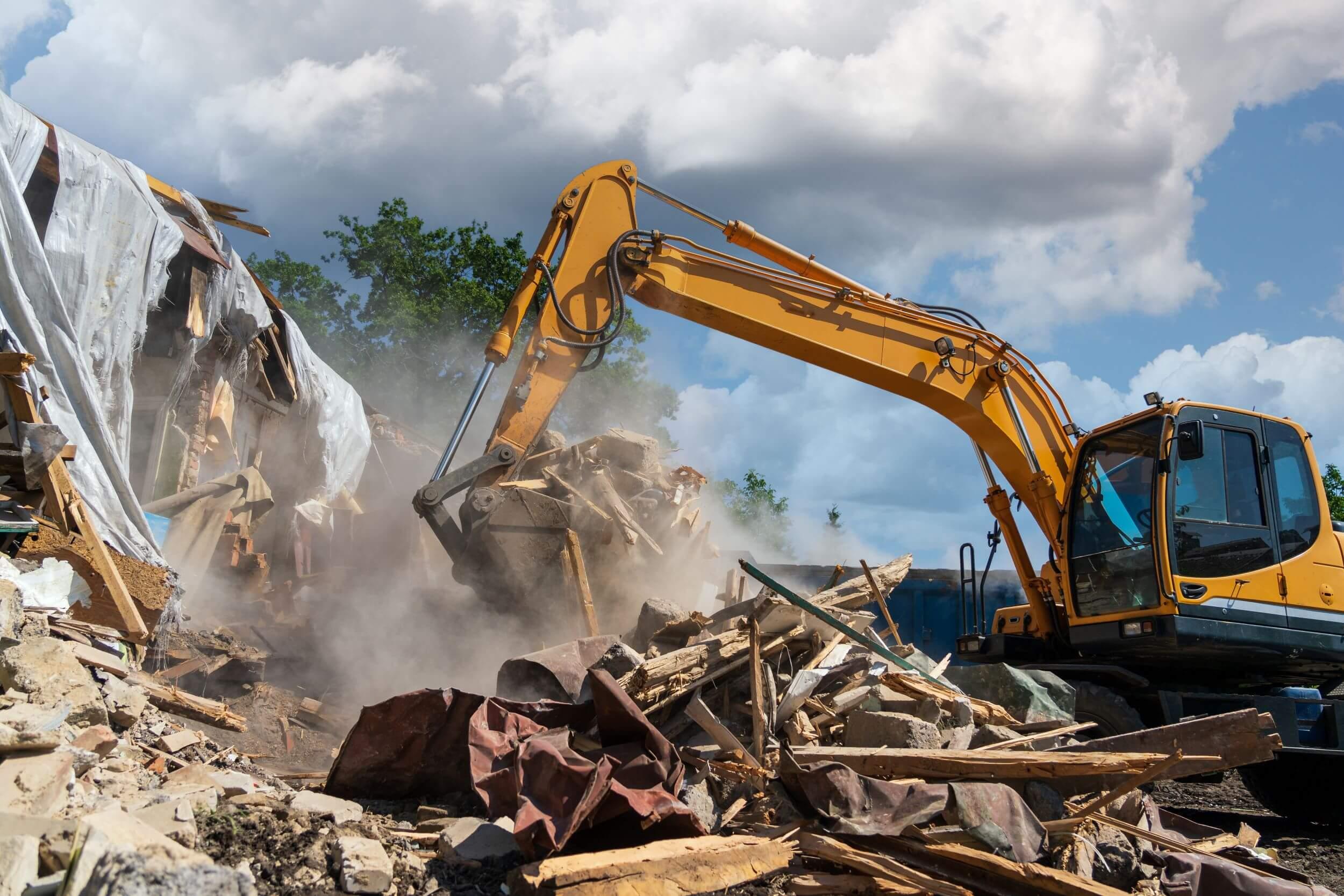
Developing a property requires careful planning, proper preparation, and the right professionals to ensure the land is ready for its intended purpose. Whether someone plans to build a residential home, establish a commercial facility, create an agricultural space, or expand an existing property, the first step often involves removing unwanted vegetation and obstacles. Overgrown brush, trees, stumps, rocks, and uneven terrain can make construction difficult and delay future improvements. Professional land clearing helps address these challenges by creating a cleaner, more accessible, and functional site. Choosing reliable land clearing services wise county tx property owners can depend on makes it easier to move from undeveloped land toward a successful construction or development project.
Understanding the Role of Land Clearing in Property Development
Land clearing is an essential part of preparing undeveloped or overgrown property for construction and other improvements. The process involves removing unwanted trees, brush, vegetation, stumps, and debris that interfere with the property's intended use. Depending on the site's condition, contractors may also perform selective clearing, vegetation management, and preliminary ground preparation. The objective is to create a suitable working area while considering the property's natural features and future development requirements.
In Wise County, land conditions can vary significantly between rural acreage, residential lots, and commercial properties. Some locations contain dense vegetation, mature trees, thick undergrowth, and uneven ground that require specialized equipment. Other properties may need only limited brush removal and basic site preparation. Professional contractors evaluate these differences before recommending a clearing approach that matches the project's scope, budget, and timeline.
Proper land clearing also helps property owners identify potential development challenges before construction begins. Removing obstructing vegetation can improve visibility, reveal ground conditions, and provide better access for surveying and construction equipment. It can also make it easier to plan driveways, building locations, utility routes, and drainage improvements. Taking care of these early requirements helps create a more organized development process.
How Professional Land Clearing Prepares the Ground for Construction
One of the main purposes of professional land clearing is to create enough usable space for construction activities. Buildings, driveways, parking areas, and outdoor facilities require properly planned locations that are free from unwanted vegetation and obstructions. Contractors begin by identifying which areas need clearing and determining how much vegetation must be removed. This initial planning helps ensure that the work supports the property's actual development goals.
Tree and brush removal are often among the first tasks. Depending on the site, contractors may use forestry mulchers, excavators, skid steers, or bulldozers to remove unwanted vegetation. Stumps and extensive root systems may also need attention, particularly in areas where foundations, roads, or underground utilities are planned. Using suitable machinery helps complete the work efficiently while reducing unnecessary disturbance to surrounding areas.
After vegetation and major obstacles are removed, additional ground preparation may be necessary. Some properties require grading to create more suitable building surfaces or improve the movement of surface water. However, land clearing and final grading are separate services, and not every clearing project includes both. Property owners should discuss these requirements with their contractor to understand which preparation tasks are included in the project estimate.
Removing Trees, Brush, and Other Development Obstacles
Unwanted trees and thick vegetation can make undeveloped property difficult to access and prepare. Dense brush may conceal rocks, uneven ground, old fencing, and other obstacles that could interfere with construction activities. Dead or damaged trees can also create potential safety concerns, especially when located near future building areas or access routes. Removing these obstacles helps create a more manageable environment for property inspections, surveying, and development planning.
Professional contractors assess vegetation before deciding which materials should be removed. Not every tree or natural feature needs to be cleared, particularly when mature trees can be preserved without interfering with construction. Selective clearing allows property owners to maintain desirable vegetation while opening the areas needed for development. This approach can help protect the property's natural appearance and reduce unnecessary environmental disturbance.
Debris management is another important part of the process. Once trees, branches, brush, and other materials have been removed, contractors must determine how to handle the resulting waste. Depending on the project and applicable requirements, materials may be processed through forestry mulching, hauled away, or disposed of using appropriate methods. Discussing cleanup expectations in advance helps ensure that the property is left in the condition required for the next development stage.
Equipment and Techniques Used for Land Clearing DFW TX Projects
Modern land clearing projects require equipment capable of handling different vegetation types, property sizes, and ground conditions. Forestry mulchers are commonly used to process brush, small trees, and vegetation into mulch. This method can reduce the amount of material that needs to be transported away and may help return organic matter to the soil. It is particularly useful for certain acreage management and vegetation control projects.
Excavators and bulldozers are often used when heavier clearing work is required. Excavators can remove larger tree stumps, roots, and substantial obstacles, while bulldozers can assist with moving heavy materials and preparing designated areas. Skid steers offer flexibility in smaller or more restricted spaces where larger machinery may be difficult to operate. Professional operators select equipment based on the property's specific requirements rather than relying on a single technique for every project.
For property owners comparing land clearing dfw tx services, it is important to understand that equipment selection can influence both project efficiency and final results. Experienced contractors consider vegetation density, terrain, soil conditions, equipment access, and the desired level of clearing. They also account for nearby structures, underground utilities, and areas that should remain undisturbed. Using the right machinery and operating techniques helps create a more controlled and efficient process.
Improving Property Access, Drainage, and Site Visibility
Access is one of the most important considerations when preparing property for development. Overgrown vegetation can prevent trucks, construction machinery, surveyors, and other professionals from reaching important areas. Clearing designated access routes makes it easier to move equipment and materials across the property. It can also help contractors complete inspections and preliminary construction activities with fewer obstacles.
Land clearing can also improve visibility across the site. When unwanted brush and vegetation are removed, property owners can better understand the layout, identify potential construction locations, and evaluate existing ground conditions. Improved visibility makes it easier to coordinate surveying, boundary inspections, and future landscaping plans. However, property boundaries should always be verified before clearing near neighboring land to avoid disputes or accidental damage.
Drainage planning is another important consideration. Trees, vegetation, and natural ground contours influence how water moves across a property. Clearing should be planned carefully to avoid unnecessary soil disturbance or changes to natural drainage patterns. Depending on the property's conditions, additional grading, drainage channels, or erosion control measures may be needed. Consulting qualified professionals before making significant ground alterations can help protect the site during and after development.
Factors That Influence Land Clearing Costs and Project Timelines
The cost of land clearing depends on several factors, including property size, vegetation density, terrain, equipment requirements, and the amount of material that must be removed. A property with light brush may require considerably less work than an area containing mature trees, large stumps, and dense undergrowth. Contractors evaluate these conditions before preparing an estimate. Understanding the scope of work helps property owners establish a realistic development budget.
Accessibility and ground conditions can also affect project expenses. Properties with steep slopes, narrow entrances, soft soil, or difficult equipment access may require additional planning and specialized machinery. Additional services such as stump grinding, debris hauling, grading, and erosion control can increase the overall cost. Property owners should request an itemized estimate so they can understand which tasks are included and which services may require separate arrangements.
Project timelines vary according to the amount of work involved and environmental conditions. Larger properties generally require more time, particularly when extensive vegetation removal or multiple preparation stages are necessary. Rainfall and wet ground conditions may also affect equipment access and scheduling. Discussing the expected completion date, weather-related delays, and project milestones with the contractor helps property owners coordinate upcoming construction activities more effectively.
Choosing the Right Land Clearing Contractor in Wise County
Selecting an experienced contractor is essential for achieving reliable land clearing results. Property owners should look for companies with practical experience handling projects similar to their own. A contractor familiar with Wise County and surrounding North Texas areas may understand common terrain challenges, vegetation conditions, and equipment requirements. Reviewing previous projects can provide useful insight into the company's workmanship and ability to handle different property types.
Insurance coverage, safety procedures, and compliance with applicable regulations should also be part of the hiring decision. Property owners should ask whether the contractor has appropriate liability coverage and whether any permits or approvals are needed for the proposed work. Underground utility locations should be identified before excavation or stump removal begins. These precautions help protect workers, neighboring properties, existing infrastructure, and the project itself.
A detailed written agreement helps establish clear expectations between the property owner and contractor. It should describe the areas being cleared, the vegetation and materials to be removed, debris disposal arrangements, and whether grading or stump removal is included. Pricing, payment terms, estimated completion dates, and possible additional charges should also be explained. Taking time to review these details can prevent misunderstandings and make the overall experience more predictable.
Preparing Your Property for Successful Future Development
Land clearing is an important investment in the future usability of a property. A properly cleared site provides a better starting point for residential construction, commercial development, agricultural improvements, and other land-use projects. It also allows property owners and contractors to evaluate the site more effectively before moving into later development stages. However, clearing alone does not guarantee that land is ready for construction, as additional engineering, grading, drainage, soil testing, and utility work may still be necessary.
Planning these requirements early can help property owners avoid unnecessary expenses and scheduling problems. Before clearing begins, discuss the intended building locations, access routes, areas to preserve, and future improvements with the relevant professionals. This allows the contractor to focus on the areas that need attention while avoiding unnecessary removal of useful vegetation. A coordinated approach also makes it easier for builders, surveyors, and other specialists to continue their work.
Choosing dependable land clearing services wise county tx property owners can trust helps establish a strong foundation for the entire development process. From the initial site assessment and vegetation removal to debris management and preparation for future improvements, professional contractors provide the equipment and experience needed to handle challenging properties. With proper planning, clear communication, and an experienced team, property owners can turn overgrown or undeveloped land into a more accessible and functional space ready for its next stage.
 Deutsch
 English
 Arabic
 French
 Spanish
 Portuguese
 Turkish
 Dutch
 Italiano
 Russian
 Romaian
 Portuguese (Brazil)
 Greek