


Mid-Century Modern Furniture Explained: History, Styles, and How to Incorporate It Into Your Home
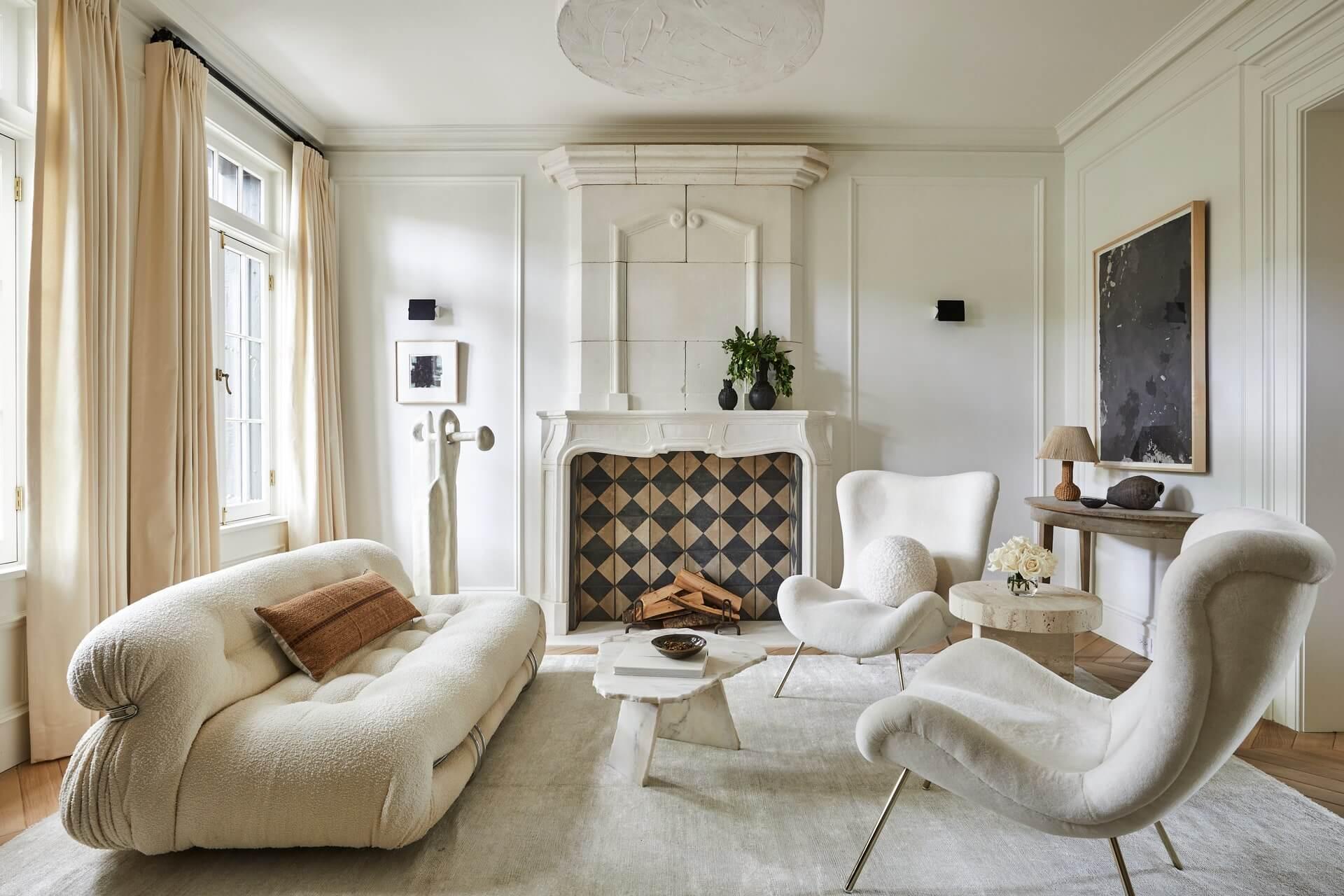
Mid-century modern furniture has remained one of the most influential interior design styles for decades, bringing together simplicity, functionality, and timeless beauty. Recognized for its clean lines, organic shapes, natural materials, and practical construction, this design movement continues to inspire homeowners, interior designers, and furniture collectors. Its appeal comes from the ability to create comfortable and visually balanced spaces without relying on excessive decoration. From elegant wooden dining tables to sculptural lounge chairs, these pieces offer a distinctive combination of style and everyday usability. Whether decorating a new home or updating an existing interior, understanding the history and characteristics of mid-century modern furniture can help you make thoughtful design decisions. By exploring its origins, popular styles, and practical decorating techniques, you can create an inviting home that feels both contemporary and timeless.
The History and Origins of Mid-Century Modern Furniture
Mid-century modern design developed during the middle decades of the twentieth century, particularly from the 1940s through the 1960s. The movement emerged during a period of significant social, technological, and cultural change. After World War II, people began looking for practical furniture that suited modern lifestyles, smaller living spaces, and changing household needs. Designers responded by moving away from heavily decorated traditional furniture and experimenting with simpler shapes, efficient construction, and innovative materials. This shift helped establish a design philosophy that prioritized functionality without sacrificing visual appeal.
The movement was influenced by earlier modernist design principles, including the Bauhaus approach to combining art, craftsmanship, and industrial production. European designers introduced ideas centered on simplicity, geometric forms, and practical construction. As designers and manufacturers brought these concepts to the United States, they developed new furniture styles suited to American homes. Advances in manufacturing also made it possible to experiment with molded plywood, fiberglass, steel, and other materials. These innovations helped furniture become more accessible while allowing designers to explore creative shapes and structures.
Several influential designers helped establish the identity of the movement. Charles and Ray Eames became known for their innovative seating designs and experiments with molded materials. George Nelson contributed distinctive furniture collections and architectural concepts, while Florence Knoll helped shape modern office and residential interiors. Scandinavian designers such as Hans Wegner, Arne Jacobsen, and Finn Juhl introduced elegant wooden furniture that emphasized craftsmanship and natural beauty. Their work continues to influence furniture manufacturers and interior designers around the world.
Key Characteristics That Define Mid-Century Modern Furniture
One of the most recognizable features of mid-century modern furniture is its clean and uncomplicated appearance. Rather than using elaborate carvings, decorative moldings, or excessive ornamentation, designers focused on balanced proportions and functional forms. Straight lines often appear alongside gentle curves, creating furniture that looks structured without feeling rigid. Tapered legs, low-profile seating, open shelving, and streamlined cabinet designs are common characteristics. These details give interiors a light and uncluttered appearance while maintaining a strong visual identity.
Natural materials play an equally important role in this design style. Teak, walnut, oak, and rosewood were frequently used for tables, chairs, cabinets, and storage furniture. Their distinctive grain patterns and warm finishes add depth and character to interior spaces. Leather, wool, linen, glass, and metal were also incorporated to introduce texture and contrast. Some designers experimented with molded plywood and fiberglass to produce innovative furniture shapes. The combination of natural and manufactured materials remains an important part of the movement's lasting appeal.
Functionality is another defining principle. Furniture was designed to support everyday activities while maintaining an attractive appearance. Storage cabinets often included practical compartments, dining tables were created with comfortable proportions, and seating focused on both appearance and usability. Many pieces were designed to fit naturally into different room layouts without overwhelming the available space. This practical approach makes the style especially suitable for contemporary homes, where homeowners often want furniture that looks elegant while serving multiple everyday purposes.
Popular Styles Within the Mid-Century Modern Movement
Although mid-century modern design has recognizable characteristics, it includes several different styles and regional influences. Scandinavian modern design is particularly popular for its understated appearance, natural wood finishes, and emphasis on craftsmanship. Danish furniture often features sculptural wooden frames, carefully shaped chair backs, and elegant proportions. Its warm appearance makes it suitable for living rooms, dining areas, and bedrooms. This approach works particularly well for homeowners who prefer comfortable interiors with subtle decorative details.
American mid-century modern design often combines experimentation with practical construction. Furniture from this tradition may feature molded plywood, fiberglass seating, metal frames, and distinctive geometric shapes. Designers explored innovative manufacturing methods to create furniture that was both functional and visually interesting. Lounge chairs, modular storage systems, and streamlined desks became important examples of this approach. These pieces can introduce personality into contemporary interiors without requiring extensive decoration.
Another recognizable influence is organic modern design, which combines the simplicity of modern furniture with softer natural forms. Rounded edges, curved seating, textured fabrics, and warm wood finishes create a more relaxed atmosphere. While organic modern interiors may include contemporary furniture, their visual language shares many principles with mid-century design. Understanding these different influences helps homeowners select furniture that reflects their preferences rather than trying to follow a single rigid decorating formula.
How to Incorporate Mid-Century Modern Furniture Into Your Living Room
The living room is one of the easiest places to introduce mid-century modern furniture because the style offers a wide selection of seating, tables, and storage solutions. Start with a central furniture piece, such as a streamlined sofa or a wooden lounge chair with tapered legs. Choose upholstery in neutral colors like beige, cream, gray, or warm brown to establish a balanced foundation. A simple furniture arrangement allows individual pieces to stand out while keeping the room comfortable and functional.
Coffee tables and side tables can add additional character without making the space feel crowded. Look for designs featuring walnut or teak finishes, rounded edges, and simple geometric shapes. A low-profile wooden media console can provide practical storage while reinforcing the overall design theme. Open shelving is another useful option for displaying books, decorative objects, and carefully selected accessories. Keeping surfaces relatively uncluttered helps maintain the clean appearance associated with the movement.
Lighting and accessories also contribute to a successful living room design. Floor lamps with metal finishes, sculptural table lamps, and pendant lights with simple silhouettes can complement the furniture. Incorporating plants, textured rugs, and artwork introduces warmth and prevents the room from looking overly minimal. The goal is to create a comfortable environment where furniture, lighting, and decorative elements work together naturally. A few carefully selected pieces often create a stronger impression than filling the room with matching furniture.
Creating a Stylish Home With Mid-Century Modern Decor
Mid-century modern decor helps bring the furniture style together by adding color, texture, and personality to different areas of the home. Popular colors include mustard yellow, olive green, burnt orange, warm brown, and muted blue. These shades can be introduced through cushions, rugs, curtains, artwork, and decorative accessories. Homeowners who prefer a more understated interior can use neutral walls and introduce stronger colors through smaller decorative details. This approach creates visual interest without making the space feel overwhelming.
Wall art is another effective way to complement mid-century interiors. Abstract paintings, geometric prints, minimalist illustrations, and vintage-inspired artwork can reinforce the design theme. Wooden picture frames and simple metal accents help maintain a consistent appearance. Decorative ceramics, glass vases, and sculptural objects can also add character to shelves and tabletops. When selecting accessories, consider their proportions and materials so they complement the furniture instead of competing with it.
Natural elements are particularly valuable when creating a balanced interior. Indoor plants introduce greenery and soften the structured appearance of wooden furniture and geometric accessories. Materials such as jute, wool, cotton, and linen add texture while maintaining a relaxed atmosphere. Natural light can further enhance the warmth of wood finishes and create an inviting environment. Combining these elements allows mid-century modern decor to feel comfortable and personal rather than overly staged or formal.
Choosing the Right Mid-Century Modern Furniture for Every Room
Selecting suitable furniture starts with understanding the size, layout, and practical requirements of each room. In a bedroom, a low-profile wooden bed frame, simple nightstands, and a streamlined dresser can create a calm and organized environment. Choose furniture with functional storage and proportions that leave enough room for comfortable movement. Warm wood tones and neutral bedding help maintain a consistent appearance. A carefully selected bedside lamp or artwork can complete the space without adding unnecessary clutter.
For dining areas, consider a wooden dining table with tapered legs and chairs featuring curved backs or upholstered seats. Mid-century modern furniture works particularly well in dining rooms because its clean silhouettes create a welcoming atmosphere without making the space feel crowded. A simple pendant light positioned above the table can establish a visual focal point. If the dining area is small, choosing furniture with open frames and visually lightweight proportions can help maintain a sense of space.
Home offices can also benefit from this design approach. A streamlined wooden desk, ergonomic chair, and practical storage cabinet can create an organized workspace that looks attractive and professional. Choose furniture that provides enough surface area for everyday tasks without taking up unnecessary room. Adjustable lighting, comfortable seating, and well-planned storage should remain priorities. Combining practical office furniture with mid-century design details creates a workspace that supports productivity while maintaining a consistent interior style.
Common Decorating Mistakes to Avoid
One common mistake is filling every room with furniture from the same period or design collection. Although matching pieces may seem like an easy way to create a coordinated interior, excessive repetition can make a home feel artificial. Mid-century design works well when combined with carefully selected contemporary furniture, vintage accessories, and natural materials. Mixing different textures and shapes creates a more personal environment while preserving the movement's defining characteristics.
Another mistake is choosing furniture based only on appearance. A beautiful vintage chair or dining table may not be suitable if it does not fit the room or meet everyday functional needs. Before purchasing, measure the available space and consider how people will move around the furniture. Pay attention to construction quality, material durability, and comfort. When purchasing original vintage pieces, examine their condition and restoration history to understand their actual value.
Overusing bright colors and decorative accessories can also reduce the visual balance of a mid-century interior. Although the style welcomes expressive colors, they are generally more effective when used thoughtfully. Start with a neutral foundation and introduce stronger shades through artwork, cushions, rugs, or individual furniture pieces. Maintaining some open space allows distinctive furniture designs to receive the attention they deserve.
Conclusion
Mid-century modern furniture continues to influence interior design because it combines practical functionality with distinctive visual appeal. Its history reflects a period of innovation, creative experimentation, and changing lifestyles that transformed the way people approached residential interiors. From Scandinavian craftsmanship to American modernist designs, the movement offers a variety of styles suitable for different homes and personal preferences. By selecting appropriate furniture, incorporating natural materials, and using thoughtful mid-century modern decor, homeowners can create spaces that feel warm, organized, and visually balanced. Whether updating one room or redesigning an entire home, this timeless design approach offers an effective way to combine comfort, character, and enduring style.
 Dutch
 English
 Arabic
 French
 Spanish
 Portuguese
 Deutsch
 Turkish
 Italiano
 Russian
 Romaian
 Portuguese (Brazil)
 Greek