


Seafood Mushroom Market: Emerging Opportunities and Changing Food Trends
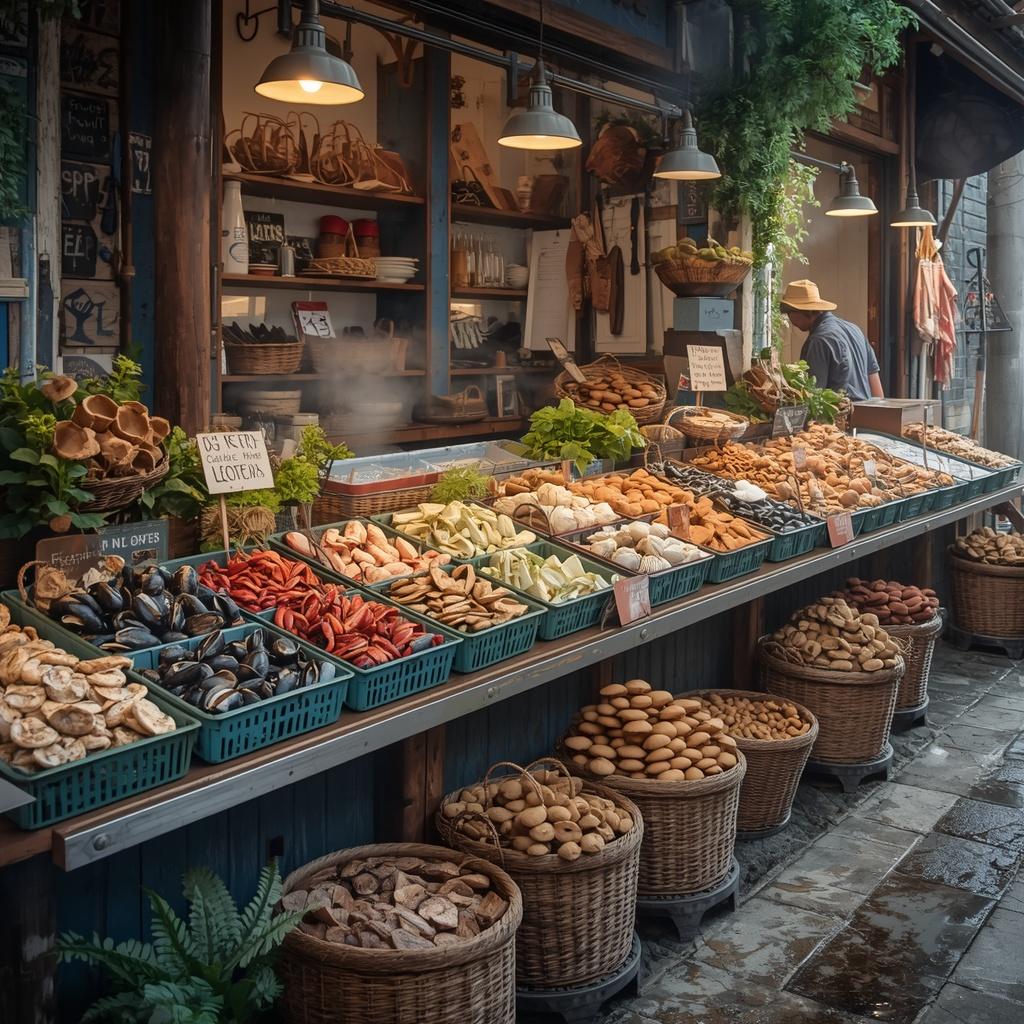
The Seafood Mushroom Market represents an interesting segment of the specialty mushroom industry. Seafood mushrooms are valued for their distinctive texture, savory flavor, and versatility in different food preparations. They can be incorporated into traditional dishes as well as contemporary recipes, making them relevant to household consumers, restaurants, food processors, and specialty food businesses.
The increasing interest in plant-based mushroom food products highlights changing consumer expectations surrounding food variety and culinary innovation. Consumers are exploring ingredients that offer different textures and flavors while supporting diverse eating preferences. Seafood mushrooms provide opportunities for manufacturers and foodservice operators to develop creative products that appeal to customers interested in plant-based ingredients and specialty foods.
Growing Interest in Plant-Based Ingredients
Plant-based food choices are influencing product development across the food industry. Consumers are exploring different vegetables, mushrooms, legumes, and alternative ingredients to diversify their meals.
Seafood mushrooms offer an interesting option because of their savory characteristics and suitability for different cooking methods.
They can be combined with vegetables, noodles, sauces, rice, and other ingredients to create satisfying culinary preparations.
Restaurants and food manufacturers can use seafood mushrooms to develop plant-forward menu items and specialty packaged foods.
This flexibility allows the product to appeal to consumers with different food preferences, including those interested in experimenting with new ingredients.
Commercial Cultivation and Production Practices
Commercial cultivation is an important part of the seafood mushroom supply chain.
Growers must establish suitable cultivation environments and maintain appropriate conditions throughout the growing process.
Substrate preparation, humidity management, ventilation, sanitation, and harvesting practices all influence product quality.
Controlled cultivation systems can help producers maintain consistency and manage production activities.
Businesses may also explore improved cultivation facilities and production techniques to address the requirements of retailers and commercial food buyers.
Efficient harvesting and post-harvest handling are particularly important because fresh mushrooms require careful treatment before reaching consumers.
Processing and Value-Added Mushroom Products
Processing provides opportunities for seafood mushroom businesses to expand beyond fresh product sales.
Fresh seafood mushrooms can be supplied directly to grocery retailers, restaurants, and foodservice distributors. Processed products provide additional possibilities for manufacturers.
Businesses can explore mushroom-based soups, prepared meals, frozen vegetable combinations, ready-to-cook products, and packaged culinary ingredients.
Value-added products can provide convenience to consumers who want specialty ingredients without extensive preparation.
Food manufacturers must maintain attention to product quality, flavor, texture, packaging, and storage requirements throughout product development.
Retail Expansion and Distribution Channels
Retail distribution connects seafood mushroom producers with different consumer groups.
Supermarkets and grocery stores provide opportunities to introduce specialty mushrooms to everyday shoppers. Specialty food retailers can also serve consumers who actively seek different mushroom varieties.
Product visibility and clear labeling are important in retail environments. Consumers may be unfamiliar with seafood mushrooms, making informative product descriptions and preparation suggestions particularly useful.
Online grocery platforms offer another route to market. Digital channels allow customers to discover specialty food products and purchase them conveniently.
Growers and distributors can strengthen their market presence by combining traditional retail relationships with digital sales opportunities.
Restaurant and Hospitality Applications
The hospitality sector provides important opportunities for seafood mushroom suppliers.
Restaurants can incorporate seafood mushrooms into soups, stir-fries, noodle preparations, rice dishes, vegetable combinations, and specialty appetizers.
Their savory characteristics make them suitable for different seasoning styles and culinary traditions.
Hotels and catering businesses can also use specialty mushrooms to diversify their menus and develop distinctive food presentations.
Chefs may combine seafood mushrooms with sauces, herbs, vegetables, and other ingredients to create customized dishes.
Reliable sourcing and consistent product quality are important for maintaining commercial foodservice relationships.
Packaging and Storage Developments
Packaging is essential for maintaining the presentation and quality of seafood mushrooms.
Fresh mushroom packaging should support suitable storage and careful transportation. Businesses must consider product protection, handling convenience, labeling, and retail presentation.
Processed mushroom products require packaging that matches their preparation and storage requirements.
Manufacturers can also explore practical packaging designs that improve convenience for households and commercial kitchens.
Clear labeling can communicate product characteristics, preparation suggestions, and storage instructions.
These improvements can help consumers understand the product and encourage repeat purchasing.
Sustainability and Resource Management
Sustainable production practices are becoming increasingly important for food businesses.
Seafood mushroom cultivation offers opportunities to examine resource management, growing substrate utilization, production efficiency, and responsible packaging.
Growers can explore cultivation practices that make effective use of available resources while maintaining product quality.
Businesses can also strengthen their environmental approach by reviewing transportation, packaging, and waste management activities.
Responsible production practices can support stronger relationships with retailers and consumers who value environmental awareness.
Competitive Landscape and Business Opportunities
Competition in the specialty mushroom industry encourages businesses to improve product quality and develop recognizable brands.
Seafood mushroom suppliers can differentiate themselves through cultivation consistency, product presentation, packaging, processing capabilities, and reliable distribution.
Manufacturers can also explore partnerships with restaurants, grocery retailers, food processors, and specialty food distributors.
Understanding regional culinary preferences can help businesses identify suitable product applications and develop effective marketing strategies.
Customer education is another useful approach. Sharing recipes and preparation suggestions can introduce seafood mushrooms to consumers who are unfamiliar with the product.
Future Opportunities in the Seafood Mushroom Market
The Seafood Mushroom Market offers opportunities across commercial cultivation, specialty food processing, retail distribution, and restaurant applications.
Growing interest in plant-based ingredients and culinary diversity can encourage businesses to explore new product formats and distribution strategies.
Companies that focus on consistent cultivation, product quality, packaging development, and effective customer engagement can strengthen their position in the specialty food industry.
The versatility of seafood mushrooms provides a foundation for continued culinary experimentation and commercial product development.
Frequently Asked Questions
Q1. Why are seafood mushrooms attracting consumer interest?
Seafood mushrooms offer distinctive texture, savory flavor, and versatility. They can be used in plant-based meals, soups, stir-fries, salads, and different specialty food preparations.
Q2. What business opportunities exist in the Seafood Mushroom Market?
Opportunities include commercial cultivation, fresh mushroom distribution, processed food manufacturing, frozen products, specialty retail, online grocery sales, and restaurant partnerships.
 Portuguese (Brazil)
 English
 Arabic
 French
 Spanish
 Portuguese
 Deutsch
 Turkish
 Dutch
 Italiano
 Russian
 Romaian
 Greek