Digital printing on fabric has transformed the textile industry by making it possible to print detailed, colorful designs directly onto cloth. Unlike traditional printing methods that rely on screens or plates, this modern process uses digital technology to transfer artwork onto fabric with precision and speed.
Businesses and designers use digital printing on fabric for fashion, home décor, promotional products, and custom textile production. It is especially valuable for short production runs, personalized designs, and projects that require high detail or a wide range of colors. As consumer demand for customized products grows, this printing method continues to gain importance in the textile market.
What Is Digital Printing on Fabric?
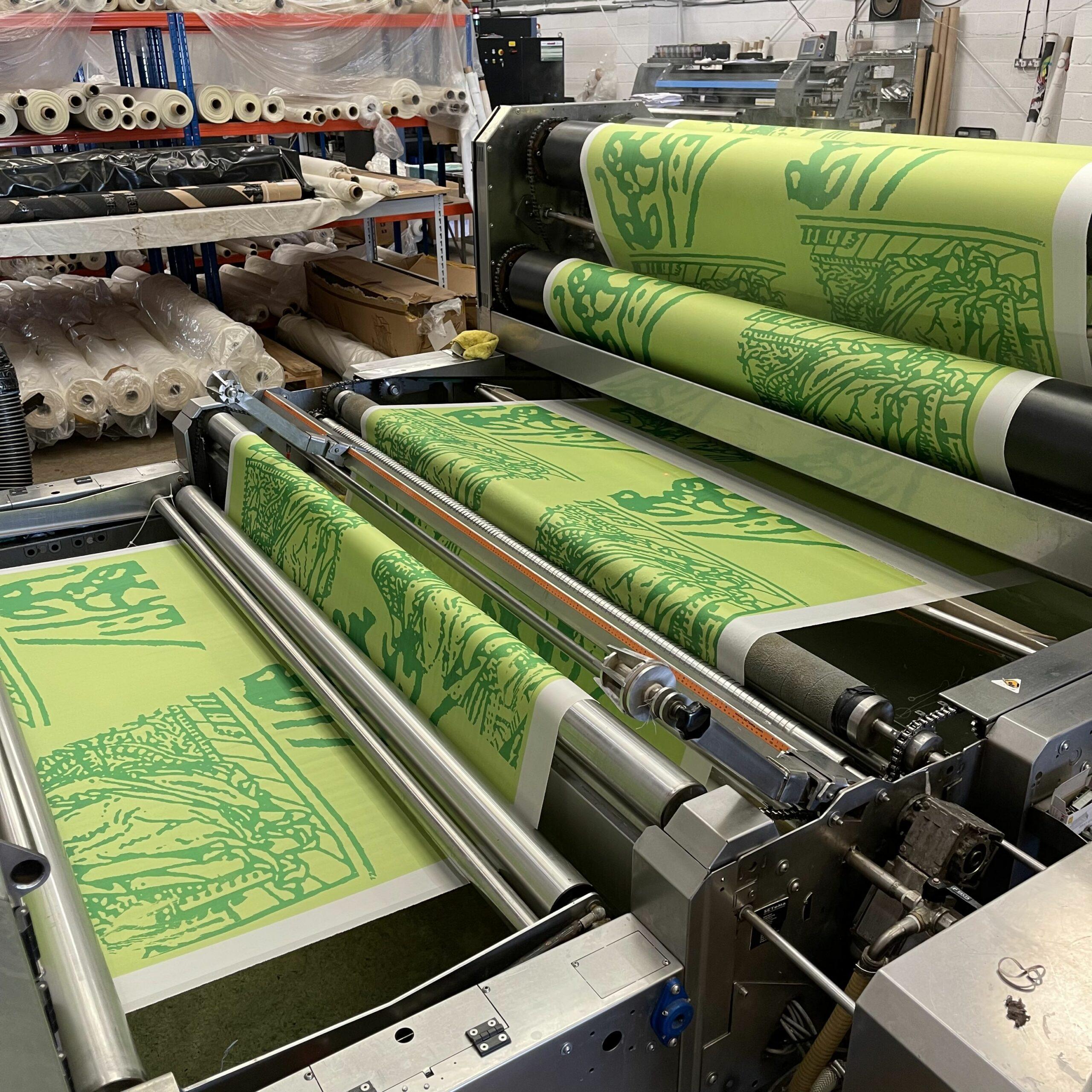
Digital printing on fabric is a process in which a digital design is printed directly onto textile material using specialized printers and textile inks. The design is first created or prepared on a computer, then sent to the printer, which applies the ink directly to the fabric surface.
This process allows for highly detailed images, smooth color gradients, and intricate patterns that may be difficult or expensive to achieve with conventional printing methods.
How the Process Works
-
Design preparation: The artwork is created or edited using graphic design software.
-
Fabric selection: The appropriate fabric is chosen based on the intended application and printing method.
-
Pre-treatment: Some fabrics require chemical treatment before printing to improve ink absorption and color vibrancy.
-
Printing: The digital printer applies the ink directly to the fabric according to the digital design.
-
Fixation: Heat, steam, or pressure is used to set the ink and ensure durability.
-
Post-treatment: Washing, drying, and finishing processes may be applied to improve the fabric’s appearance and feel.
Types of Digital Fabric Printing
Direct-to-Fabric Printing
In direct-to-fabric printing, the design is printed directly onto the textile. This method is commonly used for natural fabrics such as cotton, silk, and linen.
Dye Sublimation Printing
Dye sublimation printing involves printing the design onto transfer paper and then using heat to transfer the dye onto polyester or polyester-coated fabrics. It is widely used for sportswear, banners, and soft signage.
Direct-to-Garment Printing
Direct-to-garment printing is mainly used for customized apparel. The printer applies ink directly onto finished garments, such as T-shirts and hoodies.
Pigment Printing
Pigment printing uses pigment-based inks that sit on the surface of the fabric. It is suitable for a variety of fabric types and often requires less water than dye-based methods.
Advantages of Digital Printing on Fabric
High Design Flexibility
Digital printing on fabric allows designers to create complex patterns, photographic images, and unlimited color combinations without the need for screens or plates.
Cost-Effective for Small Runs
Traditional printing methods become more economical for large volumes, but digital printing is often more affordable for small orders and custom designs because there are fewer setup costs.
Faster Production
The digital workflow reduces preparation time. Designs can be printed directly from a computer file, allowing businesses to respond quickly to market trends and customer requests.
Reduced Waste
Since digital printing applies ink only where needed, it can reduce excess ink usage and fabric waste compared with some traditional printing methods.
High Print Quality
Modern digital textile printers can produce sharp details, smooth gradients, and vibrant colors, making them suitable for premium fashion and decorative textiles.
Applications of Digital Printing on Fabric
Fashion and Apparel
Digital printing is widely used in fashion for dresses, scarves, T-shirts, activewear, and designer collections. It enables brands to create unique patterns and quickly test new designs.
Home Textiles
Printed fabrics are used for curtains, cushions, upholstery, bed linens, and tablecloths. Digital printing allows homeowners and designers to choose customized patterns that match specific interior styles.
Promotional Products
Companies use digitally printed fabric for banners, flags, exhibition displays, and branded merchandise. The method provides vibrant visuals and quick turnaround times.
Technical and Industrial Textiles
Digital printing is also used for specialized textiles in industries such as automotive, healthcare, and sports equipment, where custom patterns or functional designs may be required.
Practical Benefits and Key Insights
-
Customization: Businesses can offer personalized products, including names, logos, and unique designs.
-
Inventory reduction: Print-on-demand production minimizes the need to store large quantities of pre-printed fabric.
-
Market responsiveness: Designers can launch new collections quickly and adapt to changing consumer preferences.
-
Sampling efficiency: Prototype designs can be produced rapidly for review and approval before full production.
-
Sustainability potential: Some digital printing methods use less water and fewer chemicals than traditional textile printing processes.
Common Challenges and Considerations
Fabric Compatibility
Not all fabrics respond equally to digital printing. Natural fibers, synthetic fibers, and blended materials may require different inks, pre-treatments, and fixation processes.
Color Management
Accurate color reproduction can be challenging because colors may appear differently on screens than on fabric. Proper calibration and testing are essential.
Durability
The durability of the print depends on the ink type, fabric type, and fixation process. High-quality digital printing can produce washable and long-lasting prints when properly processed.
Equipment Investment
Professional digital textile printers and related equipment can require a significant initial investment. However, the reduced setup costs and flexibility can offset this expense over time.
Environmental Considerations
While digital printing can reduce water and chemical use, sustainability depends on the type of ink, fabric, and post-treatment process used. Eco-friendly inks and efficient production practices can further reduce environmental impact.
Best Practices for High-Quality Results
-
Use high-resolution design files to maintain sharp details.
-
Choose inks that are compatible with the selected fabric.
-
Conduct test prints before full production runs.
-
Ensure proper pre-treatment and fixation for durable results.
-
Follow recommended washing and care instructions for printed fabrics.
Frequently Asked Questions
1. What fabrics can be used for digital printing?
Digital printing can be applied to cotton, silk, polyester, linen, blends, and many other textiles. The appropriate ink and printing method depend on the fabric type.
2. Is digital printing on fabric durable?
Yes, when the correct ink, pre-treatment, and fixation process are used, digital prints can be durable and resistant to washing and fading.
3. How does digital printing differ from screen printing?
Screen printing uses physical screens to apply each color separately, while digital printing transfers the design directly from a digital file onto the fabric. Digital printing is more suitable for detailed designs and small runs.
4. Is digital fabric printing environmentally friendly?
Digital printing can be more environmentally friendly than some traditional methods because it may use less water, fewer chemicals, and produce less waste. However, the overall impact depends on the materials and processes used.
5. Can digital printing be used for large-scale production?
Yes, digital printing can be used for both small custom orders and larger production runs. Advances in printer technology have improved its efficiency for commercial-scale textile production.
Conclusion
Digital printing on fabric is a versatile and efficient textile printing method that offers high design flexibility, excellent print quality, and cost advantages for customized and short-run production. It has become an essential tool for fashion designers, home textile manufacturers, and businesses seeking personalized textile solutions.
By understanding the different printing methods, fabric requirements, and quality considerations, businesses can make informed decisions about using digital printing in their production processes. As technology continues to advance, digital printing on fabric is likely to play an even greater role in meeting the demand for creative, sustainable, and customized textile products.



 English
 Arabic
 French
 Spanish
 Portuguese
 Deutsch
 Turkish
 Dutch
Dutch
 Italiano
 Russian
 Romaian
 Portuguese (Brazil)
 Greek
Greek