


Brooklyn Roofing Decisions: 5 Choices That Affect Your Roof
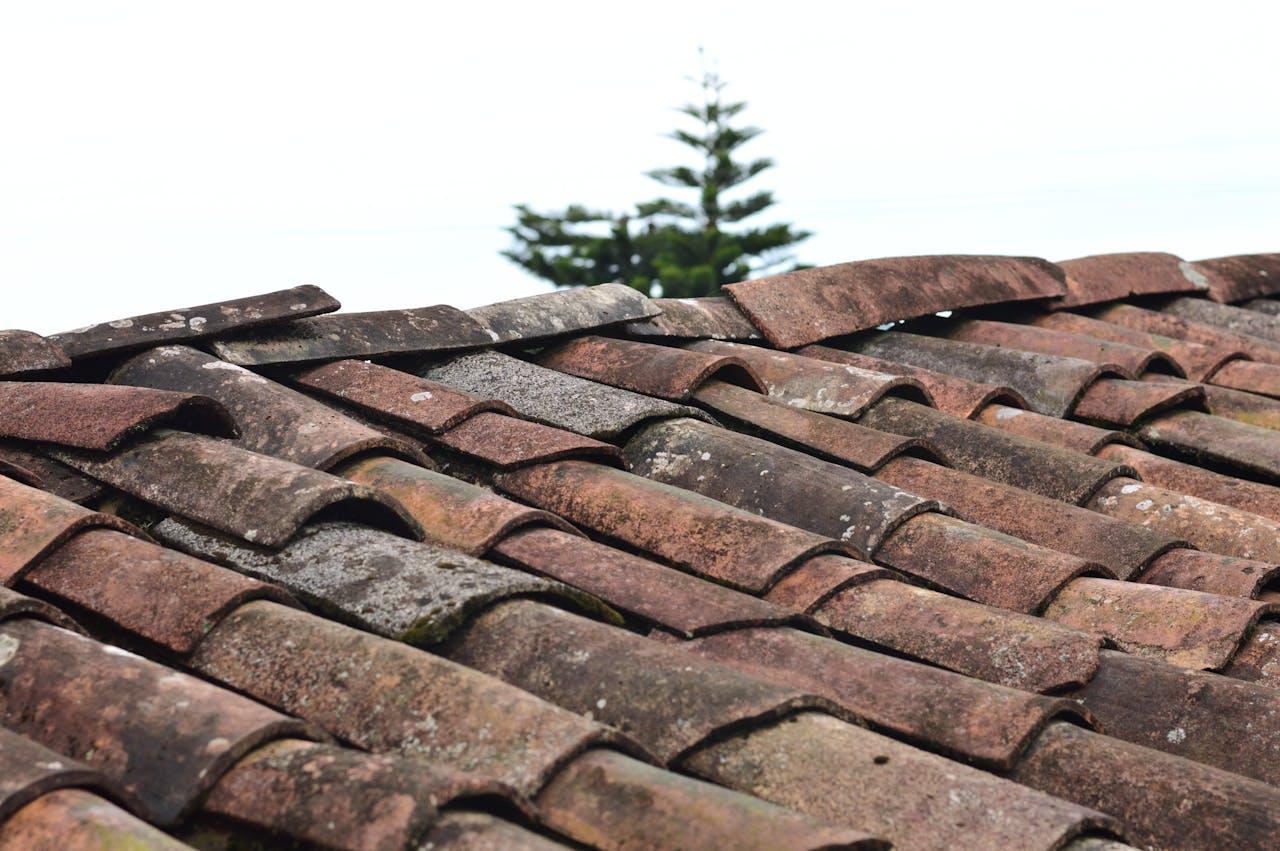
The Brooklyn Roof Decision Room
Five Questions Property Owners Should Answer Before Approving Roofing Work
There is a moment in almost every roofing project when the conversation changes.
It starts with:
"We have a leak."
Then someone asks:
"Can you fix it?"
A few minutes later, the conversation may become:
"Should we replace the whole roof?"
And that's where things get complicated.
Because roofing decisions aren't simply about choosing between repair and replacement.
The building has a history.
The roof has a history.
The weather has a history.
And the owner has a budget, tenants, schedules, and future plans to consider.
Roman Roofing NYC serves a wide range of Brooklyn properties, including residential buildings, brownstones, commercial properties, apartment buildings, property-managed buildings, and new construction projects. That means the right roofing decision can look very different from one property to the next.
So imagine we're entering a decision room.
There are no sales pitches inside.
Only questions.
DECISION 01
"Is This Actually a Roof Problem?"
The first decision sounds obvious.
It isn't.
A water stain appears on the ceiling.
Someone immediately blames the roof.
But water can enter around rooftop penetrations, flashing, parapets, drains, mechanical equipment, and other vulnerable details before traveling through the building.
The location where water appears indoors isn't necessarily the location where it entered.
That means the first step shouldn't be:
"Patch the stain."
It should be:
"Find the pathway."
The decision-room rule:
Never confuse the symptom with the source.
A professional roof inspection should examine the roofing system as a whole and look for the conditions that could be allowing water into the building.
This is especially important on Brooklyn's flat and low-slope roofs, where drainage and rooftop details can have a major effect on performance. Recent Brooklyn roofing FAQs and customer discussions repeatedly identify drainage, flashing, aging membranes, and leak tracing as common concerns.
DECISION 02
"Is This a Repair Roof or a Replacement Roof?"
This is the question property owners usually care about most.
Unfortunately, there isn't a universal age at which every roof should be replaced.
Two roofs installed during the same year can have completely different conditions.
Why?
Because lifespan is influenced by:
- Roofing material
- Installation quality
- Drainage
- Weather exposure
- Rooftop traffic
- Maintenance
- Previous repairs
- Building use
- Moisture exposure
A roof with one isolated defect may have plenty of useful service life remaining.
Another roof may have so many recurring problems that continuing to patch it simply delays a larger expense.
The better question:
"What does the evidence say about the condition of the entire system?"
That is where inspection becomes more valuable than guesswork.
THE REPAIR TEST
Before approving replacement, ask:
Is the damage localized?
If yes, repair may be practical.
Are similar problems appearing in several areas?
If yes, investigate the larger system.
Are repairs becoming frequent?
If yes, compare continued maintenance with replacement planning.
Is the roofing material broadly deteriorated?
If yes, replacement may deserve serious consideration.
Is the roof still performing well apart from one defect?
If yes, a targeted repair may be appropriate.
This isn't a formula.
It's a framework for making a decision based on actual conditions.
DECISION 03
"What Does This Building Need From Its Roof?"
This is where many generic roofing recommendations fall apart.
A roof doesn't exist by itself.
It protects whatever happens below it.
Consider four Brooklyn properties.
Property A: A Brownstone
The owner cares about protecting an older structure while preserving its architectural character.
Roman Roofing NYC specifically provides brownstone roofing services and has experience working with Brooklyn brownstone properties.
Property B: An Apartment Building
Now the roof affects multiple households.
A leak isn't just a maintenance issue.
It can become a tenant issue.
Property C: A Commercial Building
The roof protects a business.
A leak can interfere with employees, inventory, equipment, customers, and normal operations.
Property D: A New Development
Now the priorities shift again.
The roof has to fit into a larger construction schedule and coordinate with other building systems.
Same city.
Same general service category.
Completely different decision-making environment.
DECISION 04
"What Has Happened to This Roof Before?"
This may be the most overlooked question in roofing.
Ask for the history.
Not just the last repair.
The whole story.
Look for:
Previous leak locations
Do the same areas keep failing?
Previous repairs
Were they isolated or widespread?
Roof replacement records
How old is the current system?
Maintenance history
Has the roof been inspected regularly?
Storm events
Has the property experienced significant weather damage?
Changes to the rooftop
Were HVAC units, vents, skylights, decks, or other equipment added later?
The roof's past can explain its present condition.
And sometimes the most useful information isn't visible during a single inspection.
It's hidden in the maintenance records.
THE PATTERN TEST
Imagine a roof with this history:
2022: Small leak repaired.
2023: New flashing installed.
2024: Another leak near the opposite side.
2025: Emergency repair after heavy rain.
2026: Three separate problem areas.
At first glance, each repair may look unrelated.
Together, they tell a different story.
The roof isn't simply experiencing random bad luck.
It may be reaching a point where the owner needs to evaluate the system as a whole.
That is why experienced property managers track roofing work instead of treating every service call as an isolated event.
DECISION 05
"What Happens If We Do Nothing?"
This question deserves more attention.
Because postponing roofing work is also a decision.
Suppose a small flashing defect is discovered.
Maybe nothing happens for months.
Then another storm arrives.
Water finds the opening.
It moves into insulation.
Then the ceiling.
Then interior finishes.
Now the roofing issue has become an interior-building issue.
That doesn't mean every defect requires immediate replacement.
It means the owner should understand the consequences of waiting.
Ask:
What is the likely progression?
Is the problem stable?
Is water actively entering?
Could surrounding materials be affected?
Will delaying work make access or repair more difficult?
The answer helps determine urgency.
THE WILDCARD: BROOKLYN WEATHER
A roof doesn't operate in a laboratory.
It operates outside.
Brooklyn roofs deal with:
- Heavy rain
- Snow
- Freeze-thaw cycles
- Wind
- Summer heat
- Rooftop equipment
- Foot traffic
- Debris
- Seasonal drainage demands
Weather can expose weak points that remained invisible during ordinary conditions.
That is why post-storm inspections can be valuable even when no obvious interior leak has appeared.
A roof doesn't have to fail dramatically for a storm to reveal deterioration.
THE BUILDING OWNER'S "NO GUESSING" CHECKLIST
Before approving significant roofing work, ask for answers to these questions:
1. What exactly was found?
Avoid vague descriptions.
2. Where is the problem located?
Get specific.
3. Is the damage localized or widespread?
This affects repair-versus-replacement decisions.
4. What caused it?
The cause matters as much as the symptom.
5. How is the rest of the roof performing?
Don't evaluate the entire roof based on one defect.
6. What happens if the work is delayed?
Understand the risk.
7. What are the available solutions?
Ask for reasonable alternatives when they exist.
8. What should be documented?
Photos, inspection findings, repair records, and recommendations can become useful future references.
WHERE ROMAN ROOFING NYC FITS INTO THE DECISION
Roman Roofing NYC provides roofing services across Brooklyn for residential properties, commercial buildings, brownstones, apartment buildings, property-managed properties, and new construction. Its listed services include residential roofing, commercial roofing, brownstone roofing, new-build and renovation roofing, property-management roofing, multi-family and apartment-building roofing, inspections, repairs, and replacements.
That broad property experience matters because roofing decisions should reflect how a building is actually used.
A landlord managing several apartment units has different concerns from a homeowner.
A developer has different scheduling requirements from a brownstone owner.
A commercial property manager may prioritize minimizing business interruption.
The roofing system may be similar.
The decision isn't.
A BETTER ROOFING CONVERSATION
Instead of calling a contractor and saying:
"Tell me how much a new roof costs."
Start with:
"Can you inspect the existing roof and explain what condition it's in?"
Then ask:
"Which problems are urgent?"
"Which can wait?"
"What can be repaired?"
"What suggests replacement?"
"What should we monitor?"
Now you're not simply buying roofing work.
You're gathering information.
That distinction can make the entire project easier to manage.
THE BROOKLYN PROPERTY OWNER'S THREE-COLUMN PLAN
A useful way to organize the findings is surprisingly simple.
| NOW | NEXT | LATER |
|---|---|---|
| Active leaks | Preventive repairs | Replacement planning |
| Safety concerns | Drainage maintenance | Capital budgeting |
| Severe storm damage | Flashing repairs | Long-term roof strategy |
| Interior water intrusion | Minor membrane defects | Future upgrades |
This prevents every roofing problem from becoming an emergency.
Some problems belong in NOW.
Some belong in NEXT.
Some belong in LATER.
Good roof management is knowing the difference.
WHY INSPECTIONS CHANGE THE CONVERSATION
Without an inspection, roofing decisions are often based on symptoms.
With an inspection, the conversation can include:
Condition.
Cause.
Extent.
Priority.
Options.
Timeline.
That is much more useful to a property owner.
Roman Roofing NYC's service offering includes roof inspections alongside repair and replacement, allowing inspection findings to inform the next step rather than automatically treating every roofing problem the same way.
THE FINAL DECISION
There is no prize for choosing the most expensive roofing option.
There is no prize for choosing the cheapest one either.
The best decision is the one that fits the actual condition of the roof, the needs of the building, the owner's plans, and the consequences of waiting.
Sometimes that means repairing a small defect.
Sometimes it means establishing a maintenance plan.
Sometimes it means budgeting for replacement.
And sometimes the most important thing you can do is simply find out what you're dealing with.
That's why the strongest roofing decisions usually follow a simple sequence:
Inspect.
Understand.
Prioritize.
Plan.
Then act.
For Brooklyn property owners, that approach turns roofing from a reaction to a process.
And when the next storm arrives, the roof won't be a mystery.
You'll already know what it needs.
Frequently Asked Questions
How do I know whether my Brooklyn roof needs repair or replacement?
The decision depends on the extent of damage, overall roof condition, age, maintenance history, recurring leaks, and the condition of the roofing system as a whole. An inspection can help determine whether the issue is localized or widespread. Recent Brooklyn roofing guidance similarly emphasizes comparing isolated repair needs with the broader condition of an aging roof.
Why can a roof leak appear far from the actual problem?
Water can travel through or beneath roofing assemblies before becoming visible inside the building. The location of a ceiling stain therefore does not necessarily identify the point where water entered.
Are Brooklyn brownstone roofs different from ordinary residential roofs?
They can be. Brownstones often involve older construction, flat or low-slope roof layouts, parapets, masonry interfaces, and roof details that require careful evaluation. Roman Roofing NYC specifically lists brownstone roofing among its Brooklyn services.
Should a roof be inspected after a major storm?
A post-storm inspection can help identify damage or developing vulnerabilities that aren't immediately visible from inside the building. This is particularly useful when a property has experienced heavy wind, rain, snow, or other severe weather.
Does Roman Roofing NYC work with apartment buildings and property managers?
Yes. Roman Roofing NYC lists multi-family and apartment-building roofing as well as property-management roofing among its services, alongside residential, commercial, brownstone, and new-construction roofing.
References
 English
 Arabic
 French
 Spanish
 Portuguese
 Deutsch
 Turkish
 Dutch
Dutch
 Italiano
 Russian
 Romaian
 Portuguese (Brazil)
 Greek
Greek