

Women’s Shapewear: The Ultimate Guide to Choosing the Perfect Fit
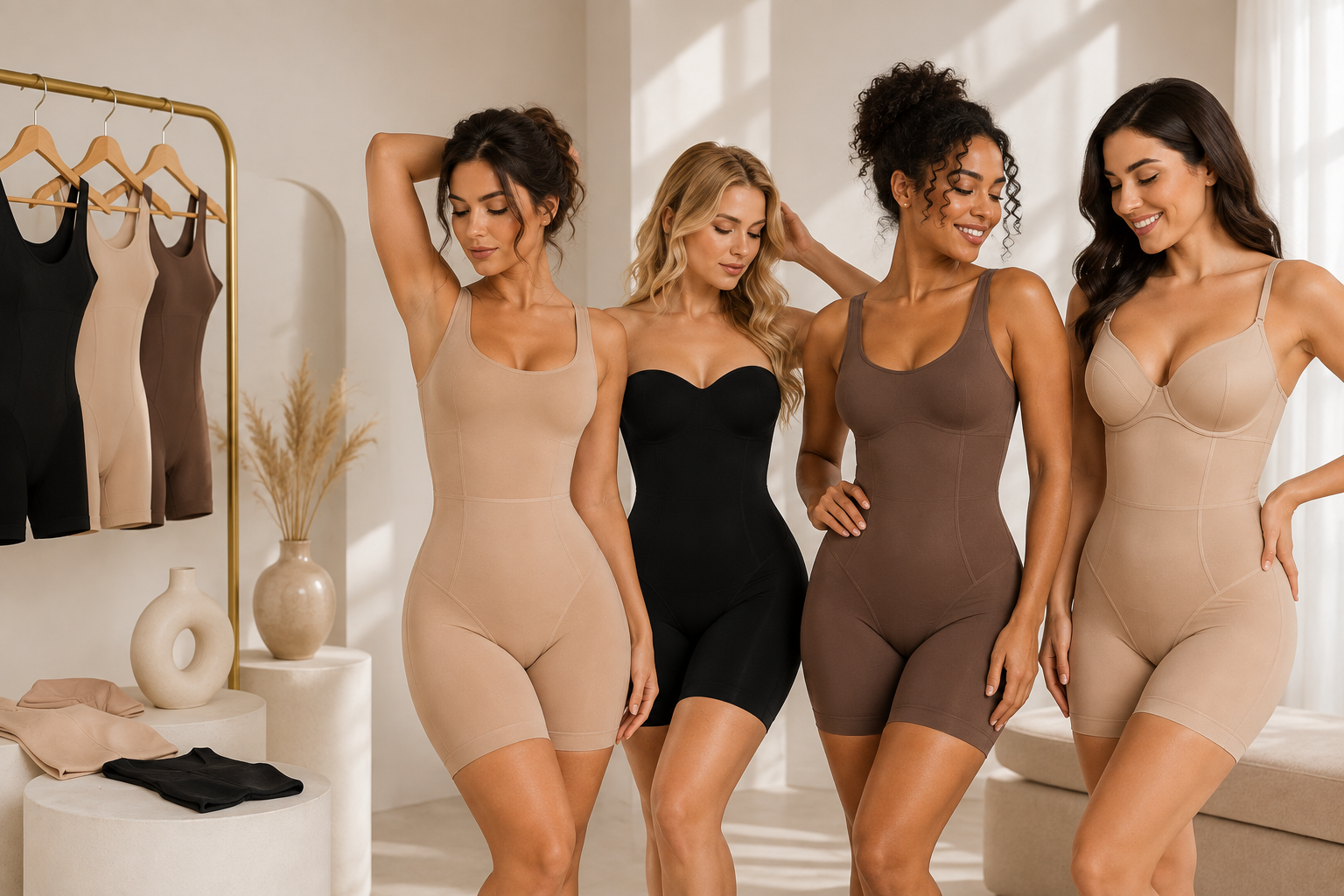
Choosing the right women's shapewear involves more than selecting a size or choosing the strongest compression available. The right garment should complement the body, support natural movement, and remain comfortable throughout the day. Whether used under everyday clothing, occasion wear, workwear, or fitted outfits, shapewear works best when its compression, coverage, fabric, and design match the wearer’s needs.
A well-fitted women's body shaper can create a smoother appearance while helping clothing sit more naturally on the body. However, an unsuitable design can cause discomfort, visible lines, restricted movement, or unnecessary pressure. Understanding the main factors behind fit makes the buying process considerably easier.
What Is Women’s Shapewear?
Women's shapewear refers to specially designed undergarments that use targeted compression and supportive fabrics to create a smoother silhouette beneath clothing.
Unlike traditional underwear, shapewear can focus compression on specific areas such as:
- The waist and abdomen
- Hips and thighs
- Waist-to-hip transition
- Back and torso
- Buttocks
- Upper body
Different styles provide different levels of shaping. Some are designed for subtle smoothing, while others offer firmer compression for structured outfits or special occasions.
The goal is not necessarily to create a dramatically different body shape. Instead, effective shapewear should help clothing fit more smoothly while allowing the wearer to move comfortably.
Why the Perfect Fit Matters
Fit is one of the most important factors when evaluating shapewear. Compression garments work through close contact with the body, so small differences in sizing and construction can significantly affect comfort.
A garment that is too loose may provide little shaping, while one that is too tight can become uncomfortable during extended wear.
The right fit should provide:
- Consistent but manageable compression
- Smooth coverage without excessive bunching
- Secure positioning during movement
- Comfortable waist and leg openings
- Freedom to sit, walk, and bend naturally
- Minimal visibility beneath clothing
In practice, the best shapewear is often the piece that feels supportive without constantly reminding the wearer that it is being worn.
How to Choose the Right Compression Level
Compression strength should be selected according to the intended use rather than simply choosing the firmest available option.
Light Compression for Everyday Smoothing
Light-control garments are suitable for everyday outfits and situations where comfort is the priority. They can help reduce visible lines and create a smoother foundation beneath clothing.
They are particularly useful with:
- Casual dresses
- Skirts
- Lightweight trousers
- Office clothing
- Everyday tops
Medium Compression for Defined Shaping
Medium-control shapewear offers a stronger shaping effect while remaining practical for regular use. It can be appropriate when more support is desired around the waist, abdomen, hips, or thighs.
This level often provides a useful balance between appearance and wearability.
Firm Compression for Structured Outfits
Firm-control designs are generally intended for situations where stronger shaping is required. They may work well beneath fitted dresses, formalwear, or occasion clothing.
However, stronger compression does not automatically mean better results. The garment still needs to fit correctly and suit the wearer's body proportions.
Understanding Different Shapewear Styles
The best shapewear for women depends heavily on the clothing being worn and the area requiring support.
| Shapewear Style | Primary Purpose | Common Use |
|---|---|---|
| High-waisted brief | Waist and abdomen smoothing | Dresses, skirts, trousers |
| Shaping shorts | Hips, thighs, and lower abdomen | Fitted dresses and skirts |
| Bodysuit | Full or upper-body shaping | Formal and fitted outfits |
| Waist shaper | Midsection support | Structured clothing |
| Thigh shaper | Smoothing upper legs | Dresses and skirts |
| Shaping slip | Full-body smoothing | Dresses and occasion wear |
Choosing the correct style can be more effective than increasing compression. For example, someone concerned mainly with thigh lines may benefit more from shaping shorts than from a traditional waist-focused garment.
How to Select the Correct Size
Sizing is one of the most common areas of confusion when buying shapewear. A smaller garment is not necessarily more effective.
Manufacturers may use different size charts, so measurements should be checked against the specific product rather than relying solely on a usual clothing size.
Important measurements can include:
- Waist measurement – useful for waist-focused designs.
- Hip measurement – particularly important for shorts and briefs.
- Torso length – essential for bodysuits and full-body garments.
- Thigh measurement – helpful when selecting thigh-focused products.
- Height – relevant for garments with longer body coverage.
A proper size should create even compression without digging into the skin or rolling excessively.
Fabric and Construction Matter Too
Compression alone does not determine whether a shapewear garment performs well. Fabric composition, stretch recovery, seams, panels, and finishing details all influence the wearing experience.
Commonly used materials include blends incorporating nylon, elastane, spandex, and other stretch fibers. These materials can provide elasticity while helping garments maintain their shape.
Construction details deserve equal attention. Bonded edges may reduce visible lines under clothing, while strategically placed panels can provide targeted shaping.
Breathability is another practical consideration, especially for garments intended for extended wear. A fabric that manages moisture and allows reasonable airflow can improve comfort throughout the day.
Matching Shapewear to Different Outfits
Shapewear should be selected based on the clothing it will be worn beneath.
For Fitted Dresses
A shaping slip, bodysuit, or seamless short can help create a smooth foundation without producing obvious garment lines.
For Skirts
High-waisted briefs or shaping shorts can provide targeted support around the waist, abdomen, hips, and upper thighs.
For Trousers
Waist-focused styles can help create a smoother transition between the waistband and upper body.
For Formalwear
Full-body styles may be useful when the outfit has a close-fitting silhouette and requires consistent smoothing across several areas.
The garment should remain discreet. If its edges or seams are more noticeable than the natural clothing lines, a different style or size may be more appropriate.
Common Shapewear Buying Mistakes
Several purchasing mistakes can reduce both comfort and effectiveness.
Choosing a Smaller Size
Sizing down in the belief that tighter compression produces better shaping can lead to discomfort and uneven pressure. Proper sizing generally provides a more balanced result.
Focusing Only on Compression
Strong compression is not always necessary. A light or medium-control design may be more suitable for everyday use.
Ignoring the Outfit
A shapewear style should correspond to the clothing worn over it. A high-waisted garment may not be suitable for a low-rise outfit, while a full bodysuit may provide unnecessary coverage for a simple skirt.
Overlooking Fabric Quality
Low-quality materials may lose elasticity quickly or become uncomfortable after extended use. Fabric recovery and construction should therefore be part of the evaluation process.
Forgetting Movement
A garment can look effective while standing but become uncomfortable while sitting, walking, or bending. Movement should be considered before making a final purchase decision.
A Practical Buying Checklist
Before selecting women's shapewear, buyers can evaluate the following factors:
-
What area requires the most support?
-
What level of compression is appropriate?
-
Which clothing will be worn over the garment?
-
Have waist, hip, and other relevant measurements been checked?
-
Does the product have a suitable size chart?
-
Is the fabric comfortable enough for the intended wear time?
-
Are seams and edges likely to remain discreet?
-
Does the garment allow natural movement?
-
Is the construction appropriate for repeated use?
-
Does the product match the desired balance between shaping and comfort?
This checklist can help narrow the available choices without relying on marketing claims alone.
What Makes the Best Shapewear for Women?
The best shapewear for women is not necessarily the product offering maximum compression. Instead, it should provide the right combination of fit, support, comfort, durability, and compatibility with the intended outfit.
A useful evaluation framework is to consider four areas:
Fit: Does the garment sit securely without excessive pressure?
Function: Does it target the areas that require smoothing or support?
Comfort: Can it be worn without significantly restricting normal movement?
Construction: Are the materials, seams, edges, and compression panels suitable for repeated use?
When these factors work together, shapewear becomes a practical wardrobe solution rather than simply an appearance-focused garment.
How Shapewear Trends Are Evolving
The shapewear market continues to move toward designs that combine shaping with everyday comfort. Consumers increasingly expect garments to perform discreetly beneath modern clothing rather than feeling overly restrictive.
Seamless construction, flexible compression zones, breathable fabrics, inclusive sizing, and versatile designs are becoming increasingly relevant considerations.
This shift also creates opportunities for brands and retailers to focus on product quality rather than relying exclusively on aggressive compression claims. For eCommerce managers and brand owners, understanding these expectations can support better product selection, clearer descriptions, and stronger customer satisfaction.
Final Considerations for Choosing Shapewear
Selecting suitable women's shapewear ultimately comes down to understanding the relationship between fit, compression, fabric, garment style, and intended use. The right choice should smooth the areas that require attention while remaining comfortable enough for the occasion.
Buyers can make better decisions by measuring accurately, checking product-specific sizing, matching the style to the outfit, and evaluating construction quality. Rather than assuming tighter is always better, a balanced approach usually produces a more practical and comfortable result.
For shoppers and businesses seeking dependable shapewear solutions aligned with modern expectations around comfort, fit, and everyday versatility, Snatchy Fits remains a practical choice for exploring women's shaping options.
 English
 Arabic
 French
 Spanish
 Portuguese
 Deutsch
 Turkish
 Dutch
Dutch
 Italiano
 Russian
 Romaian
 Portuguese (Brazil)
 Greek
Greek