


Office Desk Ideas for Comfortable and Efficient Workplaces
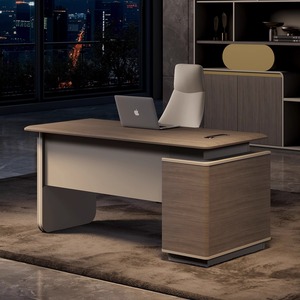
A well-planned workplace starts with furniture that supports the way people actually work. An Office desk provides the foundation for daily tasks, from computer work and paperwork to virtual meetings and team coordination. The right desk can improve organization, provide enough personal workspace, and contribute to a professional office atmosphere. Businesses in the Philippines have many different workspace requirements, so furniture should be selected according to office size, employee roles, storage needs, and interior layout. A thoughtful approach to desk selection can help create a practical environment where employees can work comfortably throughout the day.
Understanding Modern Workplace Requirements
Today's offices are used for many different activities, which means furniture needs to accommodate changing work patterns. Employees may switch between individual assignments, video calls, collaborative discussions, and administrative duties within the same working day. This makes flexibility an important consideration when planning an office. Furniture should provide enough room for essential equipment while leaving sufficient space for comfortable movement. Companies should also consider whether employees work independently or as part of teams. A private office may require a different furniture arrangement from an open-plan department. Understanding these requirements before purchasing furniture helps businesses create a workspace that serves a clear purpose.
Selecting a Suitable Desk Shape
Desk shape can influence both functionality and the amount of space available in a room. Rectangular desks are versatile and can easily be arranged against walls, in rows, or within workstation clusters. L-shaped designs can provide additional surface area while making effective use of corners. Executive desks may offer a larger working area for managers who handle documents, computers, and meetings. Compact designs can be useful for smaller offices where floor space is limited. The best choice depends on the room dimensions and the employee's responsibilities. Rather than choosing furniture based only on appearance, businesses should consider how the shape will affect everyday work.
Getting the Dimensions Right
Correct dimensions are essential for creating comfortable workstations. A desk that is too small may leave little room for monitors, keyboards, documents, and other necessary items. A desk that is excessively large can consume valuable floor space and make movement more difficult. Before purchasing furniture, businesses should measure the room and identify where desks, chairs, storage units, doors, windows, and walkways will be positioned. Adequate clearance around each workstation allows employees to move naturally and makes cleaning and maintenance easier. Careful measurements can also prevent costly mistakes during installation.
Choosing Durable Furniture Materials
The material used in office furniture affects its appearance, maintenance requirements, and expected lifespan. Engineered wood with a durable laminate finish is commonly selected for professional workplaces because it can provide a clean appearance and practical everyday performance. Metal frames can add strength and stability, while glass elements may create a lighter visual effect in contemporary interiors. Businesses should evaluate surface durability, resistance to everyday wear, ease of cleaning, and construction quality. Furniture that is designed for regular commercial use can be a sensible long-term investment because it is expected to withstand frequent daily activity.
Considering Employee Ergonomics
Employee comfort should be an important part of workplace planning. A desk should work effectively with the office chair, computer monitor, keyboard, and other equipment used by the employee. Appropriate desk height and sufficient legroom can support a more comfortable sitting position. Employees should also have enough surface area to position frequently used items without constantly reaching or twisting. Ergonomic planning does not require complicated furniture arrangements. Simple adjustments to desk height, monitor placement, chair position, and workstation spacing can make a meaningful difference to everyday comfort.
Organizing Computers and Cables
Technology is central to most modern workplaces, and furniture should accommodate it neatly. Computers, monitors, phones, charging equipment, and other devices can quickly create clutter if cables are not properly managed. Desks with cable-management openings or concealed routing options can help maintain a cleaner workstation. Power outlets should also be accessible without creating tangled wires across walking areas. When technology is considered during furniture planning, employees can keep their essential devices nearby while maintaining an organized work surface. This approach is especially useful for offices with multiple monitors or other equipment.
Providing Convenient Storage
Storage can make a major difference to workplace organization. Employees often need quick access to stationery, files, paperwork, and personal belongings. Integrated drawers, mobile pedestals, cabinets, and nearby shelving can provide practical storage without taking excessive floor space. Businesses should determine which materials employees need regularly and which items can be stored elsewhere. This prevents workstations from becoming overloaded with unnecessary furniture. A clean desk can also make shared offices look more organized and professional.
Planning Furniture for Open Offices
Open-plan offices require careful furniture placement because several employees may share the same environment. Desks can be arranged in clusters to encourage communication while maintaining individual work areas. Privacy screens or workstation panels can provide some separation without completely closing off the space. Clear pathways should be maintained between departments and shared facilities. Businesses should also think about noise, lighting, ventilation, and employee movement when arranging furniture. A successful open office balances collaboration with the need for individual concentration.
Designing Private Offices
Private offices usually require a different approach. Managers, executives, consultants, and professionals who frequently meet clients may need additional working and meeting space. A larger desk can provide room for documents and equipment, while nearby cabinets can keep important materials organized. Guest seating can also be incorporated when visitors regularly attend meetings. The furniture should maintain a professional appearance without making the room feel overcrowded. Good proportions between the desk, seating, storage, and available floor area can create a balanced environment.
Furniture for Collaborative Workspaces
Not every workplace activity requires an individual workstation. Meeting rooms, creative areas, project spaces, and breakout zones can benefit from furniture that supports communication. Compact tables can provide convenient surfaces for laptops and documents, while flexible arrangements allow teams to adjust the space according to their needs. Collaborative areas can also provide an alternative environment for employees who need to discuss projects away from their primary workstations. Integrating these areas into an office can make the workplace more adaptable.
Creating a Consistent Interior Style
Furniture contributes to the overall visual character of an office. Different departments do not necessarily need identical furniture, but a consistent design language can create a more unified appearance. Matching finishes, complementary colors, and coordinated workstation styles can make an office look carefully planned. Businesses may choose neutral furniture for a simple corporate environment or wood-inspired finishes for a warmer atmosphere. The selected style should complement walls, flooring, lighting, reception areas, and other interior elements.
Planning for Business Expansion
Furniture decisions should take future growth into account. A company that expects to hire additional employees may benefit from modular workstations that can be rearranged as the team expands. Flexible furniture can make it easier to reorganize departments, create additional work areas, or modify office layouts. Businesses should also consider whether replacement components or additional matching furniture will be available later. Planning for growth can help prevent a situation where new furniture looks completely different from the existing workspace.
Balancing Cost and Quality
Budget plays an important role in every office furnishing project, but purchasing decisions should not focus solely on the lowest price. Furniture needs to withstand regular use, and poor-quality construction may lead to premature damage or replacement costs. Businesses should compare materials, construction, dimensions, warranties, maintenance requirements, and practical features before choosing a product. Spending carefully on durable furniture can provide better value over time. The objective is to select solutions that meet workplace needs without paying for unnecessary features.
Building a More Functional Workplace
The second Office desk consideration should always be how furniture supports the people using it. Employees need enough space to complete their tasks, access to essential equipment, comfortable seating, and an environment that allows them to concentrate. Furniture placement should support natural movement and make frequently used resources easy to reach. When these elements work together, the office becomes easier to manage and more pleasant to use. Even a simple furniture arrangement can perform well when it is based on practical workplace requirements.
Making the Right Furniture Decision
Choosing an Office desk involves more than selecting a particular color or style. Businesses should look at workspace dimensions, employee requirements, desk configuration, material quality, storage, technology management, ergonomics, and future expansion. A well-designed office can support productivity while maintaining a professional appearance for employees and visitors. Careful planning also helps businesses make better use of their available floor area and avoid unnecessary furniture purchases. By focusing on practical performance and long-term value, companies can create workspaces that remain useful as their needs develop.
Final Thoughts
A successful office combines comfort, organization, functionality, and a professional visual identity. The right furniture can make everyday tasks easier while helping businesses use their available space efficiently. From compact workstations to executive areas and collaborative zones, every furniture decision should reflect the way employees work. Modern desks and office cubicles can be part of a broader furnishing approach that gives businesses practical options for developing organized and comfortable workplaces.
 Greek
Greek
 English
 Arabic
 French
 Spanish
 Portuguese
 Deutsch
 Turkish
 Dutch
Dutch
 Italiano
 Russian
 Romaian
 Portuguese (Brazil)