


Top IoT Monitoring Software Features for Real-Time Fleet & Asset Control
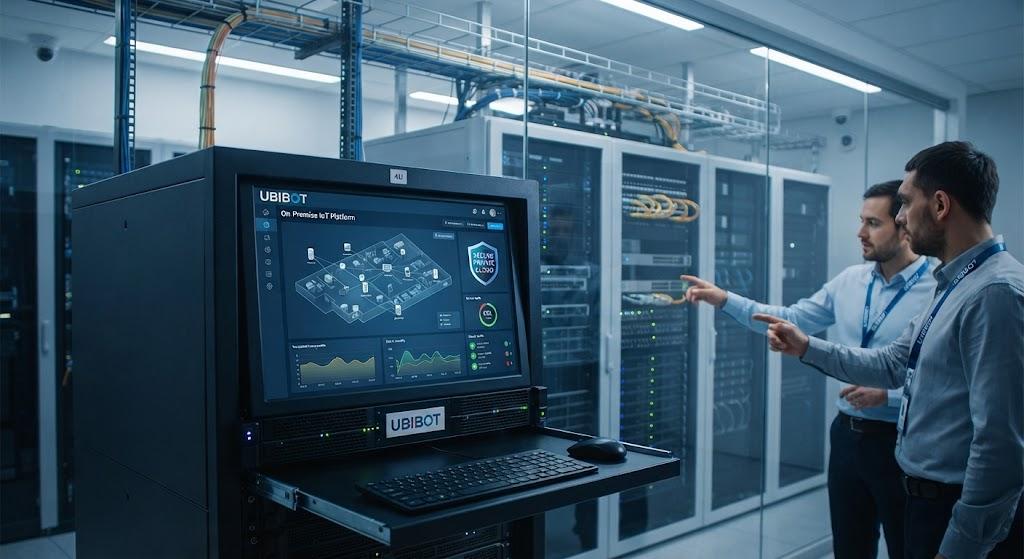
Managing interconnected hardware across multi-location facilities demands complete visibility, real-time analytics, and automated oversight. IoT Monitoring Software acts as the digital engine behind smart ecosystems, converting raw sensor data into actionable operational insights. From cold chain logistics and pharmaceutical cleanrooms to smart agriculture and industrial manufacturing, leveraging dedicated software ensures seamless connectivity, reduces downtime, and safeguards critical assets round the clock.
As enterprises scale their hardware deployments, static monitoring methods quickly become inadequate. Modern cloud-connected software infrastructure provides continuous remote oversight, ensuring hardware stability, precise environmental tracking, and instant error detection across entire fleets.
Core Architecture of Modern IoT Monitoring Software
Robust monitoring platforms serve as a centralized hub connecting physical sensors, gateways, and end-user interfaces. The software processes high-frequency data streams, evaluates contextual parameters, and presents critical metrics through clean visualization tools.
Automated Data Ingestion: Continuously collects telemetry—including temperature, relative humidity, light levels, power consumption, and vibration metrics—at customizable sampling intervals.
Elastic Cloud Storage: Securely handles high-volume data streams with millisecond response times, enabling deep historical trend analysis and auditing.
Unified Fleet Dashboard: Consolidates diverse sensor types, connection protocols (Wi-Fi, 4G Micro-SIM, Ethernet, LoRaWAN), and multi-site locations into a single, cohesive control interface.
Open API & Protocol Support: Facilitates bi-directional communication via RESTful APIs, HTTP endpoints, MQTT feeds, and Webhooks for effortless enterprise integration.
Essential Features to Look for in IoT Monitoring Tools
Selecting the right software requires assessing key features that streamline asset tracking, lower maintenance costs, and enforce compliance standards.
Instant Automated Alerting and Multi-Channel Notifications
Relying on manual checks increases the risk of undetected system failures. High-performance software features customizable threshold triggers that instantly dispatch multi-channel alerts—including Email, SMS, Voice Calls, WhatsApp, Telegram, and App Push notifications—the moment environmental conditions breach predefined parameters.
Advanced Data Visualization and Historical Reporting
Data clarity directly accelerates decision-making. Leading platforms feature interactive charting tools that let operators track short-term fluctuations alongside multi-month baseline trends. Additionally, automated PDF and CSV export capabilities simplify regulatory compliance for industries governed by strict environmental standards.
Sub-Account Management and Role-Based Access Control (RBAC)
Enterprise scalability depends on secure, multi-tier administration. Advanced platforms enable administrators to delegate specific permission levels, create dedicated sub-accounts, and assign customized board views to regional team members or external auditors.
Key Operational Benefits Across Diverse Industries
| Industry Application | Key Tracked Parameters | Primary Operational Objective |
| Cold Chain & Logistics | Temperature, GPS Location, Door Open Status | Prevent cargo spoilage and maintain unbroken cold chain integrity |
| Pharmaceuticals & Healthcare | Precise Humidity, Ultra-Low Temp, Air Quality | Ensure compliance with regulatory storage conditions |
| Smart Agriculture & Greenhouses | Soil Moisture, Ambient Temp, Light Lux Levels | Optimize climate settings to maximize crop yields |
| Data Centers & Server Rooms | Thermal Hotspots, Water Leakage, Power Drops | Mitigate unplanned downtime and protect critical hardware |
Strategic Advantages of Cloud vs. On-Premises Deployment
Organizations must balance data sovereignty requirements against ease of deployment when selecting an architecture.
-
SaaS Cloud Platforms: Offer near-zero initial setup, automatic software updates, elastic data storage, and global accessibility from any web browser or mobile application.
-
On-Premises / Private Cloud Deployments: Provide localized data control, custom network isolation, and tailored integration into internal IT stacks—ideal for high-security industrial setups.
How Smart Automation Reduces Operational Risk
Manual site inspections consume valuable labor and leave blind spots between routine checks. Deploying specialized software enables automated, continuous feedback loops. For example, when ambient temperatures rise above safe operating thresholds, the platform can send a trigger through an IFTTT protocol or HTTP API to activate secondary HVAC systems or smart relays automatically.
By combining real-time anomaly detection with automated response routines, organizations transition from reactive firefighting to proactive management protecting critical inventory and preserving hardware lifecycles.
Optimizing Your Connected Fleet with UbiBot
Achieving seamless control over your hardware ecosystem requires a cloud platform engineered for precision, flexibility, and global accessibility. UbiBot provides an end-to-end IoT platform designed to unify wireless environmental sensors, deliver real-time data visualization, and dispatch instant multi-channel alerts across any device. Whether managing single-room monitoring setups or large-scale multi-facility enterprises, UbiBot delivers the scalable cloud infrastructure, flexible sub-account permissions, and open API connectivity needed to keep your operations secure, compliant, and performing at peak efficiency.
 Russian
 English
 Arabic
 French
 Spanish
 Portuguese
 Deutsch
 Turkish
 Dutch
Dutch
 Italiano
 Romaian
 Portuguese (Brazil)
 Greek
Greek