


Why Core Aeration and Overseeding Are Essential for a Healthy Lawn
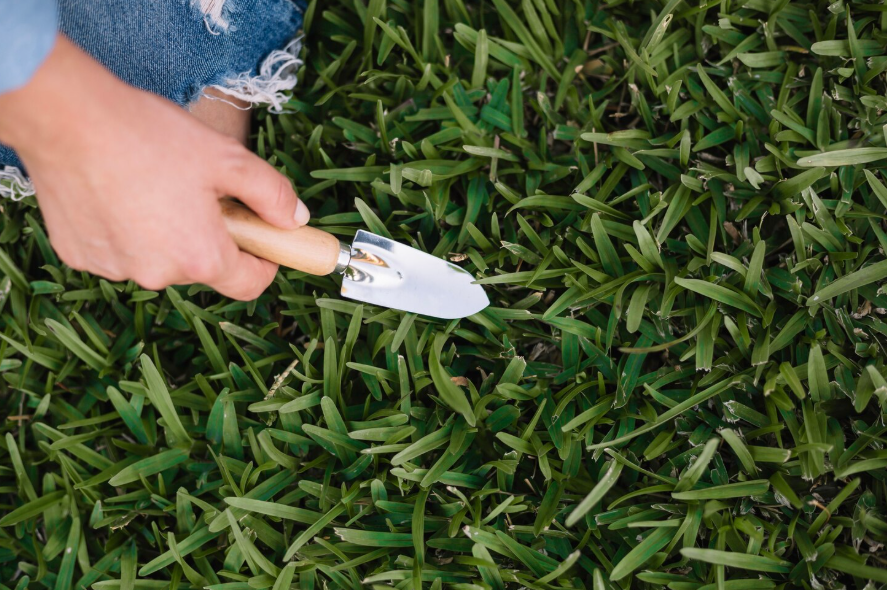
A thick, green, healthy lawn does more than improve the appearance of a property. It creates a welcoming outdoor space, increases curb appeal, and provides a comfortable area for family activities and relaxation. However, maintaining a beautiful lawn requires more than regular mowing and watering. Over time, soil can become compacted, grass can thin out, and bare patches can develop. One of the most effective ways to restore lawn density and encourage stronger growth is through core aeration and overseeding.
Core aeration and overseeding work together to address common lawn problems while giving grass seed the ideal conditions needed for successful establishment. When performed properly, these services can improve soil conditions, encourage deeper root development, and help create a thicker and more resilient lawn.
Understanding Core Aeration
Core aeration is a lawn care process that removes small plugs, or cores, of soil from the ground. These cores are typically pulled several inches deep and distributed across the lawn. Removing these sections of soil creates openings that allow air, water, and nutrients to move more effectively into the root zone.
Soil compaction is a common issue, especially in lawns that receive frequent foot traffic, outdoor activities, or heavy equipment use. When soil becomes compacted, grass roots may struggle to receive enough oxygen, moisture, and nutrients. This can result in weak growth, thinning grass, poor color, and increased stress during hot or dry conditions.
Core aeration helps relieve this pressure by opening up the soil. The resulting channels give roots more room to grow and allow essential resources to reach deeper areas of the lawn.
The Importance of Overseeding
Overseeding involves spreading new grass seed over an existing lawn. Instead of completely removing the current turf and starting over, overseeding introduces fresh grass plants into areas where the lawn has become thin or damaged.
Grass naturally becomes thinner due to weather, foot traffic, disease, pests, improper mowing, and normal aging. Even a lawn that receives regular maintenance may eventually develop areas that lack the density it once had.
Overseeding can help fill these thin areas and improve the overall appearance of the turf. New grass plants can also increase lawn density, making the finished turf look fuller and more uniform.
Why Aeration and Overseeding Work Better Together
While aeration and overseeding can each provide benefits independently, combining them can create a more effective lawn renovation process. Aeration prepares the soil, while overseeding supplies new grass seed.
After core aeration, thousands of small openings are created throughout the lawn. These openings provide grass seed with improved access to soil and moisture. Rather than sitting primarily on the surface, some of the seed can settle into the openings created during aeration.
This is why lawn aeration and overseeding are often performed as part of the same lawn care program. Aeration improves the growing environment, while overseeding helps increase the number of healthy grass plants in the turf.
Together, these services can help transform a thin or tired lawn into a thicker and more attractive outdoor space.
Benefits of Core Aeration and Overseeding
There are several advantages to incorporating core aeration and overseeding into a lawn maintenance plan. One major benefit is improved soil accessibility. Aeration allows air, water, and nutrients to reach the root system more effectively.
Another advantage is stronger root development. When roots have access to oxygen and less-compacted soil, they have better conditions for expanding and developing. Stronger roots can contribute to healthier grass that is better prepared to handle environmental stress.
Overseeding can also improve lawn density. New grass plants fill in thin areas and help create a more consistent appearance. A dense lawn may also have fewer opportunities for weeds to establish because healthy turf occupies more of the available growing space.
Another benefit is improved recovery from seasonal damage. Grass can experience stress from heat, drought, cold weather, foot traffic, and other environmental conditions. Introducing new grass seed can help replenish areas that have become weak or sparse.
Recognizing When Your Lawn Needs Aeration and Overseeding
Knowing when to schedule lawn aeration and overseeding can make a significant difference in the results. Lawns with visible thinning, compacted soil, bare spots, or weak growth may benefit from these services.
A simple indication of compacted soil is difficulty penetrating the ground with a screwdriver or similar tool when the soil is reasonably moist. Excessive thatch, standing water, poor drainage, and grass that struggles despite regular watering can also indicate that the soil needs better air and water movement.
If your lawn has areas that look noticeably thinner than others, overseeding may be beneficial as well. Combining the two services allows the lawn to receive both soil preparation and new grass seed.
Proper Preparation Makes a Difference
Successful aeration and overseeding depend on proper preparation. The lawn should generally be mowed appropriately before the work begins, and extremely dry soil may need moisture so that aeration equipment can penetrate effectively.
It is also important to evaluate the lawn's existing condition. Different grass varieties have different growth patterns, environmental preferences, and ideal planting periods. Choosing appropriate seed for the lawn and local growing conditions can improve establishment.
After seed is applied, consistent moisture is especially important. Newly germinating grass requires adequate water to establish roots. However, watering should be managed carefully to avoid washing away seed or creating excessively wet conditions.
Post-Treatment Lawn Care
The period after aeration and overseeding is important because new grass needs time to germinate and establish. Regular moisture is one of the most important factors during this stage.
Heavy foot traffic should generally be minimized while new seedlings are developing. Newly established grass can be vulnerable to excessive activity, so allowing the lawn time to strengthen can support better long-term results.
Mowing should also be approached carefully. New grass needs sufficient time to become established before receiving regular mowing. Once the seedlings have developed appropriately, mowing can gradually return to the normal lawn care schedule.
Proper fertilization may also support healthy development, depending on the lawn's soil conditions and nutritional needs.
Long-Term Lawn Maintenance
Aeration and overseeding should not be viewed as a one-time solution for every lawn problem. A consistent lawn care routine is essential for maintaining the results.
Regular mowing at an appropriate height, proper watering, seasonal fertilization, weed management, and monitoring for pests and disease can all contribute to healthier turf. Addressing soil compaction and thinning before they become severe can also make lawn maintenance easier.
A lawn care professional can evaluate the condition of the turf and determine whether aeration, overseeding, or additional treatments are appropriate.
Creating a Thicker, Healthier Lawn
A beautiful lawn starts beneath the surface. Healthy soil and strong roots provide the foundation for attractive turf, while new grass plants help maintain density and coverage. Core aeration and overseeding address both of these important factors by improving the soil environment and introducing fresh grass seed.
For homeowners dealing with compacted soil, thinning grass, bare patches, or declining lawn density, lawn aeration and overseeding can be an effective part of a comprehensive lawn care strategy. With proper timing, preparation, watering, and ongoing maintenance, these services can help encourage stronger growth and a fuller, greener lawn.
Investing in the health of your lawn can provide benefits far beyond appearance. A dense and well-maintained lawn can improve curb appeal, create a more enjoyable outdoor environment, and provide a stronger foundation for long-term turf health. By combining aeration with overseeding and following a consistent maintenance routine, homeowners can give their lawns the conditions they need to thrive.
 French
 English
 Arabic
 Spanish
 Portuguese
 Deutsch
 Turkish
 Dutch
Dutch
 Italiano
 Russian
 Romaian
 Portuguese (Brazil)
 Greek
Greek