


Understanding Female Incontinence Devices and Female Urinary Incontinence
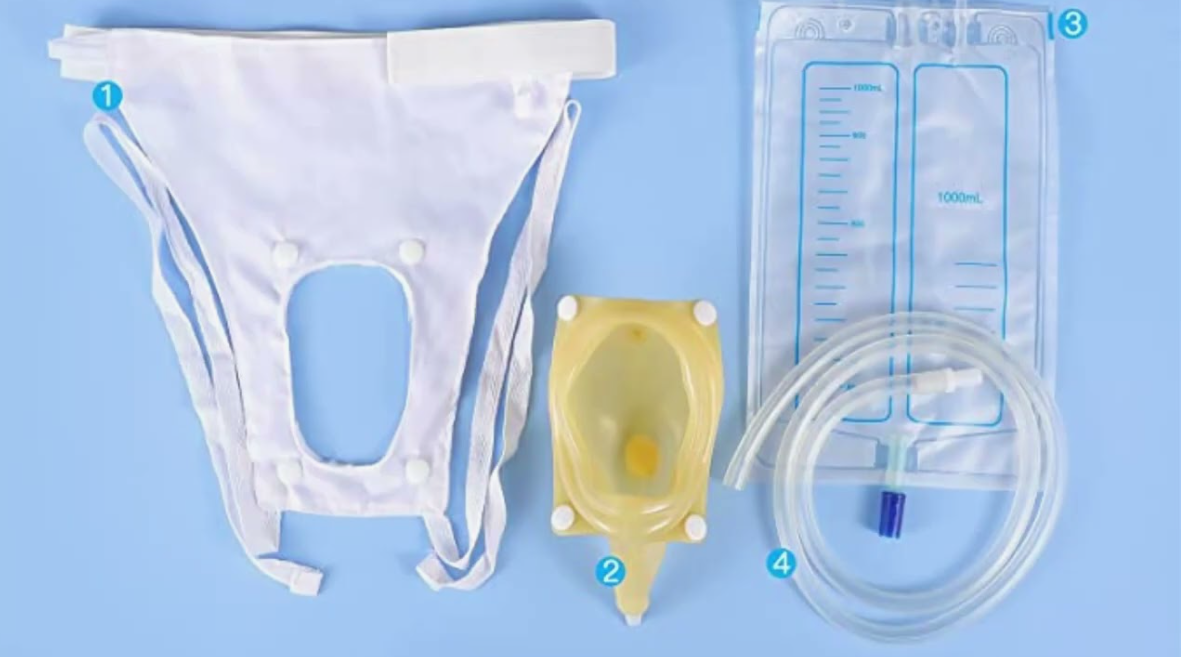
Female urinary incontinence is a common condition that can affect women at different stages of life. It refers to the accidental leakage of urine, which may happen when coughing, sneezing, exercising, laughing, or simply feeling a sudden need to use the bathroom. While it can be uncomfortable to discuss, urinary leakage is a medical issue that can often be managed with the right approach.
Fortunately, women have several options available today, including lifestyle changes, pelvic floor exercises, medical treatments, and a range of female incontinence devices. Understanding the causes and available solutions can help women make informed decisions about their comfort and daily health.
What Is Female Urinary Incontinence?
Female urinary incontinence occurs when a woman cannot always control when urine leaves the bladder. The severity can range from occasional small leaks to more frequent or significant bladder control problems.
Incontinence is not necessarily a normal part of aging, although the risk can increase with age. Pregnancy, childbirth, hormonal changes, certain medical conditions, medications, and pelvic floor weakness can also contribute to bladder leakage.
Because different types of incontinence have different causes, identifying the symptoms is an important first step.
Common Types of Urinary Incontinence
Stress Incontinence
Stress incontinence happens when pressure is placed on the bladder. Activities such as coughing, sneezing, laughing, lifting objects, running, or jumping may cause urine to leak.
Weak pelvic floor muscles can contribute to this type of incontinence. Pregnancy and childbirth may also affect the muscles and tissues that support the bladder.
Urge Incontinence
Urge incontinence involves a sudden, strong need to urinate that may be difficult to control. Sometimes the urge is so sudden that a woman cannot reach the bathroom in time.
This type may be associated with an overactive bladder or other bladder-related conditions.
Mixed Incontinence
Some women experience both stress and urge incontinence. This is known as mixed incontinence. Treatment may involve addressing several contributing factors rather than focusing on one symptom.
What Is a Female Incontinence Device?
A female incontinence device is a product designed to help manage urinary leakage or support bladder control. Devices work in different ways, so choosing one depends on the type and severity of incontinence.
Some devices are designed to support the urethra or bladder area, while others may use gentle stimulation to help strengthen pelvic floor muscles. There are also external products designed to manage leakage and protect clothing.
It is useful to remember that not every device is suitable for every woman. A healthcare professional can help determine which options may be appropriate.
Types of Female Incontinence Devices
Urethral Support Devices
Certain products are designed to provide temporary support around the urethra. They may be used by women who experience stress incontinence during activities such as exercise.
These devices are generally intended for specific situations rather than as a universal solution. Women should follow the manufacturer's instructions carefully.
Vaginal Pessaries
A pessary is a removable medical device placed inside the vagina. Some pessaries can help support pelvic organs and may reduce urine leakage associated with certain forms of stress incontinence.
A healthcare professional should usually assess and fit a pessary to make sure it is appropriate and comfortable.
Pelvic Floor Electrical Stimulation Devices
Some devices use controlled electrical stimulation to activate pelvic floor muscles. They are sometimes used as part of a pelvic floor rehabilitation program.
These devices should be used according to professional guidance, particularly because electrical stimulation may not be suitable for everyone.
External Absorbent Products
Pads, liners, protective underwear, and other absorbent products are among the simplest ways to manage urinary leakage. They do not treat the underlying cause, but they can provide confidence and protection during daily activities.
For occasional leakage, a thin liner may be sufficient. Women experiencing heavier leakage may prefer products with greater absorbency.
Can Pelvic Floor Exercises Help?
Pelvic floor exercises, commonly known as Kegel exercises, are often recommended for women experiencing certain types of urinary incontinence.
The pelvic floor muscles help support the bladder and other pelvic organs. Regularly exercising these muscles may improve their strength and control.
The basic exercise involves tightening the pelvic floor muscles, holding the contraction for a few seconds, and then relaxing. It is important to learn the correct technique rather than repeatedly tightening the wrong muscles.
A pelvic floor physical therapist can provide personalized guidance and help create an exercise program.
Lifestyle Habits That May Support Bladder Health
Along with treatment or a female incontinence device, everyday habits may help some women manage symptoms.
Maintaining a healthy weight can reduce pressure on the bladder. Staying physically active can support overall health, while avoiding excessive amounts of bladder irritants such as caffeine may help some people.
Drinking too little fluid is generally not a good solution because concentrated urine can irritate the bladder. Instead, women should discuss appropriate fluid intake with a healthcare professional.
Keeping a bladder diary can also be useful. Recording when you drink, when you urinate, and when leakage occurs can help identify patterns.
When Should You See a Healthcare Professional?
Urinary leakage should not simply be ignored, especially when it is new, worsening, or interfering with everyday life.
A healthcare professional can review symptoms, medical history, medications, and lifestyle factors. They may also recommend tests to identify possible causes.
Medical attention is particularly important if incontinence occurs alongside symptoms such as blood in the urine, painful urination, fever, significant pelvic pain, or difficulty emptying the bladder.
Women should also seek professional advice before using an internal incontinence device for the first time.
Choosing the Right Incontinence Solution
There is no single solution that works for every woman. The best approach depends on the type of incontinence, its cause, lifestyle, and personal preferences.
For some women, pelvic floor exercises and lifestyle changes may provide meaningful improvement. Others may benefit from medication, physical therapy, a female incontinence device, or a combination of treatments.
Comfort is also important. A product that is difficult to use or uncomfortable may not be practical for everyday life. Women should consider how frequently they experience leakage, what activities trigger it, and whether they need occasional or continuous protection.
Final Thoughts
Female urinary incontinence is common, but women do not have to simply accept ongoing leakage as something they cannot manage. Understanding the cause can open the door to effective treatment and better daily comfort.
A female incontinence device may be one option among several, depending on the individual's symptoms and medical needs. Pelvic floor exercises, lifestyle adjustments, absorbent products, physical therapy, medication, and other treatments can also play a role.
If urinary leakage is affecting your confidence, sleep, exercise, work, or social activities, speaking with a qualified healthcare professional is a positive first step. With appropriate evaluation and treatment, many women can improve bladder control and feel more comfortable in everyday life.
 Dutch
Dutch
 English
 Arabic
 French
 Spanish
 Portuguese
 Deutsch
 Turkish
 Italiano
 Russian
 Romaian
 Portuguese (Brazil)
 Greek
Greek