


Vehicle Graphics Installation: A Practical Guide to Professional Branding on the Road
-
Vehicle graphics have become an effective way for businesses to turn everyday transportation into a consistent branding opportunity. Company cars, vans, trucks, and service vehicles can all carry visual elements that identify the business while traveling between appointments, job sites, and customer locations. Professional vehicle graphics installation is essential because the quality of the installation directly affects how the graphics look, how long they remain in place, and how well they represent the business.
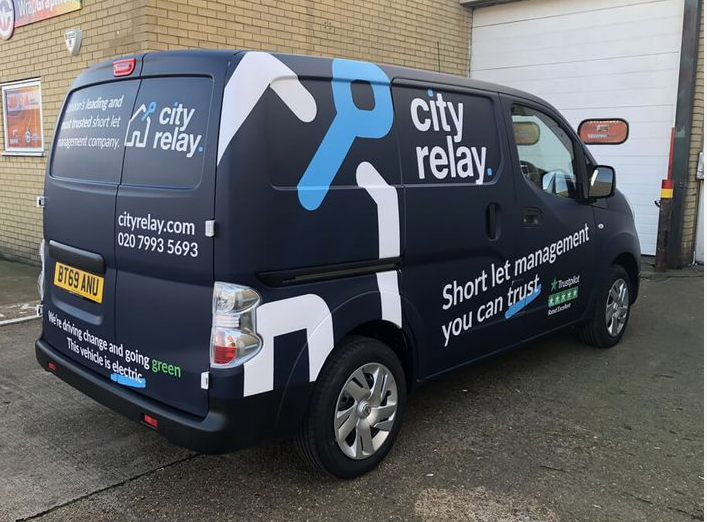
A successful vehicle graphics project involves more than applying printed material to a surface. The vehicle's shape, body lines, handles, windows, curves, seams, and existing features all need to be considered during preparation and installation. Properly executed vehicle graphics installation creates a clean, professional appearance while helping businesses maintain a consistent visual identity across their fleet. For companies that rely on vehicles as part of their daily operations, this can make branding more visible without changing the vehicle's fundamental function.
Why Professional Vehicle Graphics Installation Matters
Vehicle graphics are exposed to conditions that ordinary indoor graphics rarely encounter. Sunlight, rain, road debris, temperature changes, washing, and frequent use can all affect their appearance over time. Professional installation helps ensure that the graphic material is properly positioned and securely applied to the vehicle surface. An experienced installer also understands how to work around contours and irregular areas without creating unnecessary wrinkles, bubbles, or alignment problems. The result should look intentional from different viewing angles rather than appearing like a simple sticker placed on a vehicle. This level of attention is particularly important for businesses because their vehicles often serve as highly visible representatives of the company while employees are traveling throughout the community.
Preparing the Vehicle Before Installation
Proper preparation is one of the most important stages of the installation process. The vehicle surface needs to be clean, dry, and free from contaminants that could interfere with adhesion. Dirt, grease, wax, residue, and other substances can prevent graphics from bonding properly and may contribute to premature lifting or failure. Installers also need to assess the condition of the paint and identify damaged areas before beginning. The graphic design should be reviewed against the actual vehicle to determine how logos, text, contact information, and other elements will align with doors, windows, handles, and body panels. Taking these steps before application reduces avoidable problems and creates a stronger foundation for the finished installation.
Designing Graphics for Real-World Visibility
A vehicle is rarely viewed from a single fixed position, so its graphics need to work from multiple angles and distances. Important information should be easy to recognize quickly, particularly when the vehicle is moving or parked in a busy environment. Large brand elements, simple messaging, readable typography, and appropriate contrast can help improve visibility. Designers should also account for the vehicle's shape rather than treating the body as a flat canvas. Doors may open independently, handles can interrupt lettering, and curved panels can distort certain visual elements if the design is not properly adapted. A professional approach considers these physical characteristics during the design stage so that the final installation maintains its intended appearance.
Choosing the Right Graphic Material
The appropriate material depends on the vehicle, application, design, and expected use. Some businesses may require simple lettering or logos, while others may benefit from larger printed graphics or partial wraps. The chosen material should be suitable for exterior exposure and compatible with the vehicle's surface. Considerations such as flexibility, durability, finish, removability, and resistance to environmental conditions can influence the selection. Gloss, matte, and specialty finishes can also produce different visual effects. Businesses should avoid choosing materials based solely on initial price because the cheapest option may not always provide the performance or appearance required for long-term use. A material selected for the specific application can help balance visual quality, durability, and maintenance needs.
The Installation Process Requires Precision
Applying vehicle graphics requires patience and accuracy, particularly when working across curved panels and complex body sections. Installers typically position the graphic carefully before securing it to the surface, ensuring that important design elements remain aligned with the vehicle's structure. Working gradually helps reduce the possibility of trapped air, wrinkles, or misplaced sections. Special attention may be needed around deep contours, seams, rivets, door edges, and other challenging areas. Temperature and environmental conditions can also affect how graphic materials behave during application. Professional installers understand these variables and adjust their techniques accordingly. Precision at this stage is important because even a high-quality graphic can look unprofessional if it is poorly positioned or improperly applied.
Maintaining Vehicle Graphics After Installation
Once graphics have been installed, appropriate care can help preserve their appearance. Regular cleaning removes dirt and road contaminants that can accumulate on exposed surfaces. Businesses should follow suitable cleaning practices and avoid unnecessarily aggressive methods that could damage the graphic material. It is also useful to inspect edges and high-contact areas periodically for signs of lifting or damage. Prompt attention to small problems can prevent them from becoming larger issues. When vehicles are part of a larger fleet, establishing consistent maintenance practices can help keep branding uniform across different units. Proper care also makes it easier to identify when graphics need repair, replacement, or updating because of changes to the company's branding or services.
Vehicle Graphics as a Business Branding Tool
A branded vehicle can provide ongoing exposure while performing its normal business duties. Service technicians, contractors, delivery teams, tradespeople, and other mobile professionals can use vehicle graphics to identify their company wherever their work takes them. However, effective vehicle branding should prioritize recognition rather than attempting to place every possible message on the vehicle. A clear logo, business name, relevant service information, and appropriate contact details may be more useful than a crowded design. Consistency across multiple vehicles can further strengthen brand recognition because customers repeatedly encounter the same visual identity. When supported by professional vehicle graphics installation, a fleet can present a more organized and credible appearance across different locations and customer interactions.
Conclusion
Professional vehicle graphics installation combines careful preparation, appropriate materials, thoughtful design, and precise application to create a durable and professional result. Businesses should consider the vehicle's shape, operating environment, brand identity, visibility requirements, and long-term maintenance before beginning a project. High-quality installation can help prevent common problems such as bubbles, wrinkles, misalignment, and premature lifting while ensuring that the finished graphics communicate clearly from different angles. For businesses using vehicles as part of their daily operations, well-planned graphics can provide a practical way to maintain consistent branding wherever the fleet travels. A professional approach from design through installation ultimately helps ensure that every branded vehicle looks polished, purposeful, and ready to represent the business on the road.
 Russian
 English
 Arabic
 French
 Spanish
 Portuguese
 Deutsch
 Turkish
 Dutch
Dutch
 Italiano
 Romaian
 Portuguese (Brazil)
 Greek
Greek