


How a Top Condo Realtor in San Francisco Evaluates HOA Reserve Studies Before You Buy
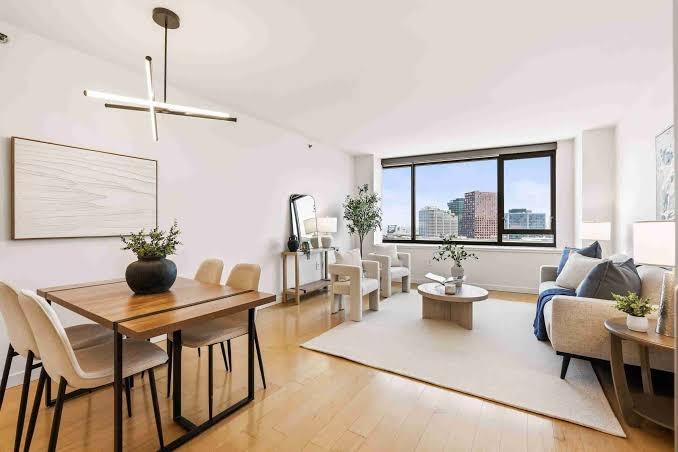
Purchasing a condominium in San Francisco represents an exciting milestone, whether you are acquiring a sleek modern glass tower residence in South Beach or a classic, light-filled boutique unit in Pacific Heights. However, buying a condo in San Francisco involves far more than simply evaluating interior floor plans, natural light, kitchen quartz finishes, or floor-to-ceiling city views. When you buy a residential condominium, you are acquiring a fractional financial and physical stake in an entire vertical building ecosystem.
The overall health of that shared structure determines your daily quality of life, your long-term monthly housing costs, and the ultimate protection of your personal equity. This is where the Homeowners Association reserve study becomes the single most critical legal document in your entire disclosure packet. A reserve study serves as a multi-decade financial roadmap that projects the future repair, replacement, and maintenance costs of a building's shared infrastructure.
Without a trained eye, these dense financial packages can easily look like overwhelming stacks of technical spreadsheets, engineering jargon, and actuarial projections. Working with an experienced top condo realtor in san francisco ensures that you do not just skim these pages, but rather perform a rigorous audit of the association's true balance sheet before removing contractual contingencies.
Understanding the Core Architecture of an HOA Reserve Study
At its fundamental level, a comprehensive Homeowners Association reserve study is composed of two primary elements: a physical analysis performed by an independent structural engineer or qualified reserve specialist, and a financial analysis that evaluates the association's capital account balances. The physical analysis inspects every shared structural component that the association is legally obligated to maintain under its recorded Covenants, Conditions, and Restrictions.
In high-density San Francisco residential developments, these shared elements include exterior building envelopes, roof membranes, elevator cabs and mechanical motors, subterranean parking garages, central boiler systems, emergency power generators, and common hallway finishes. The engineer calculates the current replacement cost for each item, estimates its total useful life, and projects its remaining useful life based on physical wear, historical weathering, and local environmental exposure.
The financial analysis then compares the association's actual liquid reserve fund balance against the total theoretical cash required to replace those aging components as they reach the end of their functional lifespan. An experienced top condo realtor in san francisco carefully cross-references the physical findings against the financial reserves to verify whether the association is saving at an adequate pace or quietly building up a severe backlog of unfunded capital improvements.
Key Indicators a Top Condo Realtor Analyzes in a Reserve Packet
When analyzing an HOA disclosure packet on behalf of a prospective homebuyer, an elite professional looks straight past the marketing materials and digs directly into specific, highly sensitive quantitative metrics within the reserve study summary.
The Percent Funded Ratio
The single most informative metric in any reserve study is the association's percent funded ratio. This percentage expresses the ratio of actual cash currently sitting in the capital reserve bank account relative to the calculated ideal reserve balance required at that exact point in time.
A building with a percent funded ratio above seventy percent is widely considered to be in strong, healthy financial standing. This high funding level indicates that the association maintains sufficient liquidity to handle scheduled structural repairs without disrupting monthly dues or asking unit owners for sudden cash contributions.
Conversely, a percent funded ratio falling between thirty percent and sixty percent indicates a fair to weak funding level, signaling that future dues increases are almost guaranteed. If a building's percent funded ratio drops below thirty percent, it enters a high-risk zone where the association maintains dangerously low cash reserves compared to its aging physical infrastructure.
A skilled top condo realtor in san francisco alerts buyers immediately to low percent funded ratios, explaining how poor liquidity exposes unit owners to sudden cash calls when high-cost systems inevitably fail.
Special Assessment Risks and Historical Cash Calls
When an association operates with underfunded capital reserves and encounters an unexpected structural failure, such as a leaking roof membrane, an elevator breakdown, or window wall seal deterioration, the board of directors must raise capital quickly. Because the reserve account lacks sufficient liquid cash, the HOA board is forced to levy a special assessment.
A special assessment is an mandatory, lump-sum fee assessed directly to every individual unit owner based on their proportional square footage or ownership percentage in the building. These special assessments can range from several thousand dollars to tens of thousands of dollars per unit, depending on the severity of the structural deficit.
During the disclosure review process, an attentive top condo realtor in san francisco reviews twelve to twenty-four months of HOA board meeting minutes to cross-examine current reserve studies against active board discussions. If board members are frequently debating deferred building maintenance while maintaining low reserve levels, the probability of an imminent special assessment increases dramatically.
Deferred Maintenance and Physical Life Expectancies
Another vital aspect of reserve analysis is scrutinizing the remaining useful life assigned to high-cost building components. In coastal San Francisco neighborhoods such as Mission Bay, SoMa, and Marina, constant exposure to salt-laden fog and ocean air accelerates the degradation of exterior paint cladding, window assemblies, structural steel, and roofing systems.
If a reserve study reveals that a building’s roof or elevator system reached the end of its projected useful life three years ago, yet the remaining useful life continues to be manually extended on paper without physical replacement, the building is engaging in deferred maintenance. Deferring critical building repairs often creates compounding structural damage, such as water intrusion seeping behind exterior wall assemblies and causing internal framing rot.
Evaluating whether scheduled building projects are actually being executed on time protects buyers from walking into hidden structural liability traps.
Navigating San Francisco High-Rise vs. Boutique Building Reserve Dynamics
Evaluating reserve studies in San Francisco requires recognizing that high-rise residential towers and smaller boutique developments operate under fundamentally different physical and financial dynamics.
In large-scale luxury high-rise developments located in downtown enclaves, building mechanical systems are remarkably complex. These properties feature specialized infrastructure including high-speed elevator banks, commercial-grade water pressure booster pumps, complex multi-zone HVAC systems, automated mechanical parking lifts, and extensive window washing rigs.
Replacing a single high-speed elevator motor or repainting a forty-story exterior facade involves millions of dollars in capital expenditure. Consequently, while high-rise developments often maintain larger absolute reserve account balances, their ongoing operating expenses and monthly HOA dues are significantly higher.
On the other hand, small boutique four-unit or six-unit condominium buildings in historic neighborhoods like Russian Hill or Pacific Heights feature far simpler physical systems. However, because these smaller associations divide capital replacement costs among a limited number of unit owners, the financial impact per individual owner when a major system fails can be exceptionally severe.
If a six-unit building needs a sixty thousand dollar roof replacement and maintains only ten thousand dollars in reserve funds, each unit owner must instantly contribute multi-thousand-dollar out-of-pocket sums to make up the difference. A knowledgeable top condo realtor in san francisco guides buyers through these distinct risk profiles based on building scale, age, and physical architecture.
Expert Advisory and Financial Guidance with Mia Takami
Navigating complex HOA disclosures, structural engineering reports, and reserve balance sheets requires a real estate partner who combines analytical precision with deep hyper-local market intelligence. Bringing over two decades of local real estate experience, an MBA in Investment, and a track record of over four hundred thirty-three million dollars in closed career sales, Mia Takami provides exceptional, data-driven representation for condominium buyers throughout the city.
As the founder and leader of the Takami Real Estate Group, Mia Takami carefully audits every detail of an association’s disclosure package. By evaluating 30-year reserve projections, checking board meeting minutes for hidden maintenance debates, analyzing operating budgets, and verifying building permit histories, Mia Takami ensures that buyers make fully informed, financially sound decisions.
Whether you are a first-time homebuyer purchasing a contemporary one-bedroom residence or an investor acquiring a high-floor luxury unit, having an expert advisor who thoroughly understands financial statements ensures your capital remains completely protected.
Strategic Negotiation Paths Based on Reserve Findings
When a detailed reserve study review reveals underlying financial weakness or deferred physical maintenance within an association, your transaction strategy can be tailored accordingly. Uncovering these details prior to contingency removal provides vital leverage during contract negotiations.
Depending on the specific findings within the reserve study, your representative can pursue several structured negotiation avenues:
First, if an upcoming special assessment has already been approved or formally discussed by the HOA board but not yet levied, your agent can negotiate to have the seller pay the full assessment amount at the close of escrow from their sales proceeds.
Second, if the reserve study highlights severe underfunding alongside overdue structural repairs, you can request a direct credit toward your non-recurring closing costs or negotiate a reduction in the overall purchase price to offset your future financial exposure.
Third, in cases where building disclosures reveal unresolved structural defects or pending construction defect litigation between the HOA and the original developer, your representative can work with specialized mortgage lenders to verify that the building remains fully eligible for conventional or jumbo loan underwriting before you proceed.
Conclusion
Evaluating Homeowners Association reserve studies is an essential step when purchasing a condominium in San Francisco's dynamic real estate market. By looking beyond interior cosmetic finishes and conducting a rigorous financial audit of building reserve balances, percent funded ratios, deferred maintenance histories, and operating budgets, buyers can avoid unexpected special assessments and secure a stable housing asset. Partnering with Mia Takami and the Takami Real Estate Group guarantees that your property transaction is backed by deep analytical insights, thorough disclosure reviews, and dedicated advisory representation every step of the way.
 Greek
Greek
 English
 Arabic
 French
 Spanish
 Portuguese
 Deutsch
 Turkish
 Dutch
Dutch
 Italiano
 Russian
 Romaian
 Portuguese (Brazil)