


How to Build a Better Workflow for Data Subject Access Requests
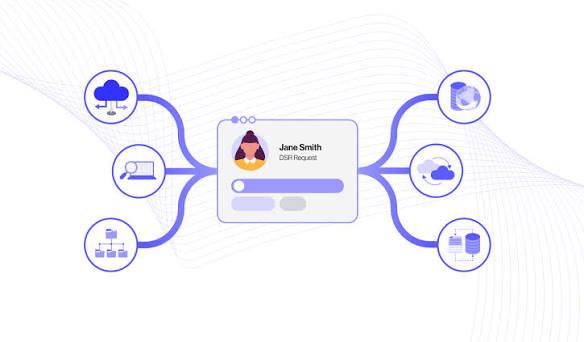
An access request may arrive through customer support, a branch office, or an ordinary email rather than the privacy form. If staff do not recognize it, the organization can lose valuable time before the request reaches its owner. An effective workflow begins with recognition and continues through a careful, understandable response. Design the process around the person's right and the organization's actual information systems. Automation can coordinate tasks, but it cannot guarantee that every record has been found or that an unreviewed export is appropriate to disclose.
Create a Reliable Intake Route
Train teams to recognize requests in everyday language. People do not need to name an article of GDPR to ask for access to their personal information. Provide a simple internal handover method and record when the organization received the request, not merely when the privacy team opened its case. A product described as gdpr consent software may help locate permission records relevant to a request, but access extends beyond consent history. The workflow should identify the other systems and processing information needed for a complete response. Do not let the capabilities of one tool define the scope of the individual's right.
Assign Ownership and Timing
Give each case a responsible coordinator and backup with clear contact details. Under EU GDPR, responses are generally due within one month; an extension of up to two further months can apply when justified by complexity and the number of requests. The individual must be informed of the extension and reasons within the initial month. Build internal milestones that leave room for collection, review, and delivery. Escalate missing contributions before the final deadline approaches. Record the basis for timing decisions and obtain appropriate advice where identity questions or unusual circumstances affect the process. A timer is useful only when its underlying assumptions are correct.
Verify Identity Proportionately
Check whether the requester is the person concerned or an authorized representative. Use information already available where appropriate, rather than automatically demanding identity documents from every individual. Additional information may be requested when there are reasonable doubts about identity, but verification should not create unnecessary collection or barriers. Document the method without retaining excessive copies of identity evidence. Consider the sensitivity of the information that could be disclosed and the reliability of the communication channel. A request submitted through an authenticated account may present different verification questions from an unfamiliar email seeking records about somebody else.
Search With a Documented Scope
Use the data map to identify relevant systems, owners, aliases, and historical identifiers. Include appropriate searches of support records, correspondence, and supplier held information. Ask each contributor to confirm what was searched, the period covered, and any limitation that could affect completeness. Test matching rules before relying on automated collection. People can change names or email addresses, and different customers may share similar identifiers. A broad match can disclose another person's information, while a narrow match can omit relevant records. Keep uncertain matches in a review queue rather than resolving them silently.
Keep Jurisdictions Distinct
Organizations researching dpdp compliance software may be managing Indian privacy requirements alongside GDPR. Maintain a jurisdiction field and an approved decision process so the team applies the relevant rules. Do not assume that deadlines, exceptions, or response obligations can be copied unchanged between legal regimes. Shared operational components can still be useful. Intake, assignment, secure collection, and evidence tracking may support several workflows. Keep the legal rules and notices separately maintained, with an accountable reviewer for changes. This allows reuse without turning a convenient common template into an inaccurate statement of every applicable law.
Review the Content Before Delivery
Access involves personal data and relevant information about its processing, not merely a raw database dump. Prepare a response that the person can understand. Explain codes or abbreviations where needed, and check that the supporting processing information reflects the activities actually involving the individual. Review material involving other people and any applicable restrictions carefully. Do not assume that the presence of another person's name justifies withholding an entire document. Equally, avoid releasing an unfiltered bundle simply because the collection tool found a match. Record the reasoning behind material redactions or omissions.
Deliver Securely and Learn
Choose a delivery method appropriate to the information and verify the recipient details. If using a secure portal, make its access instructions clear and provide support for problems. Confirm that the response can be opened and understood without requiring the individual to navigate an unfamiliar technical process unaided. Close the case with a record of searches, decisions, and delivery. Review recurring delays, missing systems, and confusing templates to improve the workflow. A dependable access process combines timely coordination with careful judgment, giving individuals a meaningful account of their information while protecting against mistakes during disclosure.
 Portuguese
 English
 Arabic
 French
 Spanish
 Deutsch
 Turkish
 Dutch
Dutch
 Italiano
 Russian
 Romaian
 Portuguese (Brazil)
 Greek
Greek