


GCC Air Conditioner Demand Rises with Extreme Heat, Urbanization, and Smarter Cooling
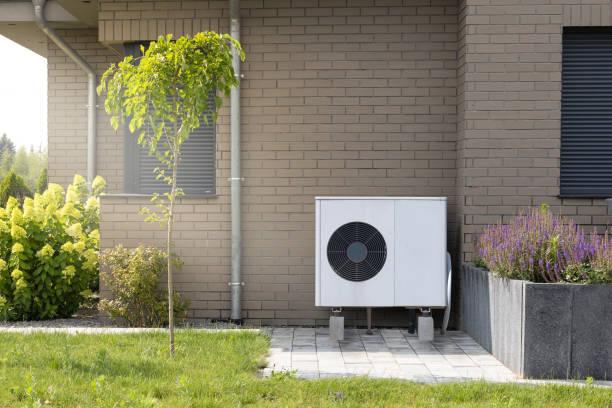
Air conditioning has become an essential component of residential, commercial, hospitality, healthcare, industrial, and public infrastructure across the Gulf Cooperation Council (GCC). Extreme temperatures, rapid urban development, rising household incomes, and large-scale construction projects are sustaining demand for cooling equipment, while energy-efficiency regulations and digital technologies are influencing how new systems are designed and operated.
Insights published by Markntel Advisor indicate that the GCC Air Conditioner Market was valued at USD 4.29 billion in 2025 and is projected to grow from USD 4.51 billion in 2026 to USD 6.05 billion by 2032, registering a CAGR of 5.02% during 2026–2032. The GCC Air Conditioner Market report identifies rising income levels, rapid urbanization, infrastructure development, extreme climatic conditions, and evolving environmental standards as important factors shaping the industry.
Extreme Heat Sustains Cooling Demand
Climate conditions remain one of the fundamental factors supporting air-conditioner adoption across the GCC. Cooling is required for homes, offices, retail facilities, hotels, hospitals, transportation infrastructure, and public buildings, making air-conditioning equipment an essential part of everyday life across the region.
The World Meteorological Organization reported that 2024 was the hottest year on record for the Arab region, with temperatures rising at twice the global average and heatwaves becoming more intense. The WMO climate assessment also highlights the growing frequency and severity of extreme heat, reinforcing the importance of cooling infrastructure in climate-vulnerable economies.
The relationship between heat and electricity demand is particularly important. The International Energy Agency states that cooling accounts for nearly half of peak electricity demand across the Middle East and one-quarter of annual electricity consumption, making cooling efficiency and electricity demand closely connected.
Urban Development Expands the Installed Cooling Base
Rapid urbanization is creating additional demand for air-conditioning systems across residential and commercial buildings. The GCC is among the world's most urbanized regions, while new housing communities, offices, retail centers, hotels, airports, and transportation facilities continue to expand the built environment.
Large-scale development programs in Saudi Arabia, including Vision 2030 initiatives and major projects such as NEOM, Diriyah, Qiddiya, and Red Sea developments, are contributing to the construction pipeline. New buildings require cooling systems during both their initial development and operational phases, creating demand for room air conditioners as well as larger HVAC solutions.
The report indicates that residential applications represent approximately 43% of total GCC air-conditioner demand in 2026. The large installed base of residential systems also creates recurring replacement requirements as older units reach the end of their useful operating lives.
Room Air Conditioners Maintain a Leading Position
Room air conditioners account for approximately 50% of the GCC industry in 2026, making them the leading product category. Their position is supported by widespread residential use and the need for individual temperature control across apartments, villas, and other housing formats.
Split air conditioners are particularly relevant to residential applications, while window units and other room-based systems continue to serve specific building requirements. Replacement demand is also becoming important as consumers and property owners replace older equipment with newer systems offering improved performance and energy efficiency.
Beyond residential properties, VRF systems, chillers, packaged air conditioners, cassette systems, and ducted split systems serve commercial, hospitality, healthcare, manufacturing, and institutional applications.
Energy Efficiency Shapes Product Development
High cooling requirements also place pressure on electricity systems. As air-conditioning equipment operates for extended periods during hot seasons, energy performance becomes increasingly important for households, businesses, building operators, and policymakers.
The International Energy Agency notes that cooling is expected to remain the largest driver of electricity-demand growth in the Middle East and North Africa through 2035. This creates a stronger focus on efficient cooling systems that can provide required thermal comfort while limiting electricity consumption.
Energy-efficiency standards can also influence replacement cycles. Older systems with lower efficiency may gradually be replaced by newer equipment incorporating improved compressors, controls, heat exchangers, and refrigerant technologies.
Smart HVAC Technologies Gain Attention
Digitalization is introducing new capabilities into air-conditioning systems. Smart and AI-enabled HVAC technologies can combine sensors, connectivity, occupancy information, and analytics to adjust cooling according to changing building conditions.
These systems are particularly relevant to offices, hotels, healthcare facilities, educational institutions, and mixed-use developments where cooling requirements vary throughout the day. Connected controls can also provide building operators with information about system performance, equipment conditions, and potential maintenance requirements.
The development of smart-city infrastructure across the GCC is creating an environment in which connected HVAC systems can become part of wider building-management platforms.
Saudi Arabia Leads Regional Demand
Saudi Arabia accounts for approximately 40% of GCC air-conditioner demand in 2026, according to the study. Its leading position reflects the country's large population, substantial housing stock, extreme summer conditions, and extensive investment in residential, commercial, tourism, and infrastructure projects.
The country's construction pipeline is also creating diverse cooling requirements. Residential communities require large numbers of room air conditioners, while hotels, hospitals, offices, shopping centers, and major infrastructure projects require larger centralized or distributed HVAC systems.
Refrigerant Transition Influences the Industry
Environmental considerations are also affecting air-conditioning technology. The phase-down of ozone-depleting substances and the transition toward refrigerants with lower environmental impacts are encouraging manufacturers and users to evaluate alternative refrigerant technologies.
The GCC's participation in international environmental frameworks is therefore influencing product development alongside energy-efficiency requirements. Refrigerant selection, system performance, safety, regulatory compliance, and lifecycle considerations are becoming increasingly connected in air-conditioning equipment decisions.
Cooling Infrastructure Moves Toward Greater Efficiency
The GCC air-conditioner industry is being shaped by the combined effects of extreme heat, urbanization, residential construction, infrastructure development, rising incomes, energy requirements, and technological advancement. Room air conditioners continue to represent the largest product segment, while commercial and infrastructure development is creating demand for more diverse HVAC configurations.
The industry's projected expansion through 2032 reflects the continuing importance of cooling across the region. At the same time, energy-efficiency standards, smart controls, and refrigerant transitions are influencing the development and replacement of air-conditioning systems, gradually shifting the industry toward more connected and resource-efficient cooling infrastructure.
 English
 Arabic
 French
 Spanish
 Portuguese
 Deutsch
 Turkish
 Dutch
Dutch
 Italiano
 Russian
 Romaian
 Portuguese (Brazil)
 Greek
Greek