


What Is PCOS Water? Benefits, Best Drinks, and Hydration Tips for PCOS
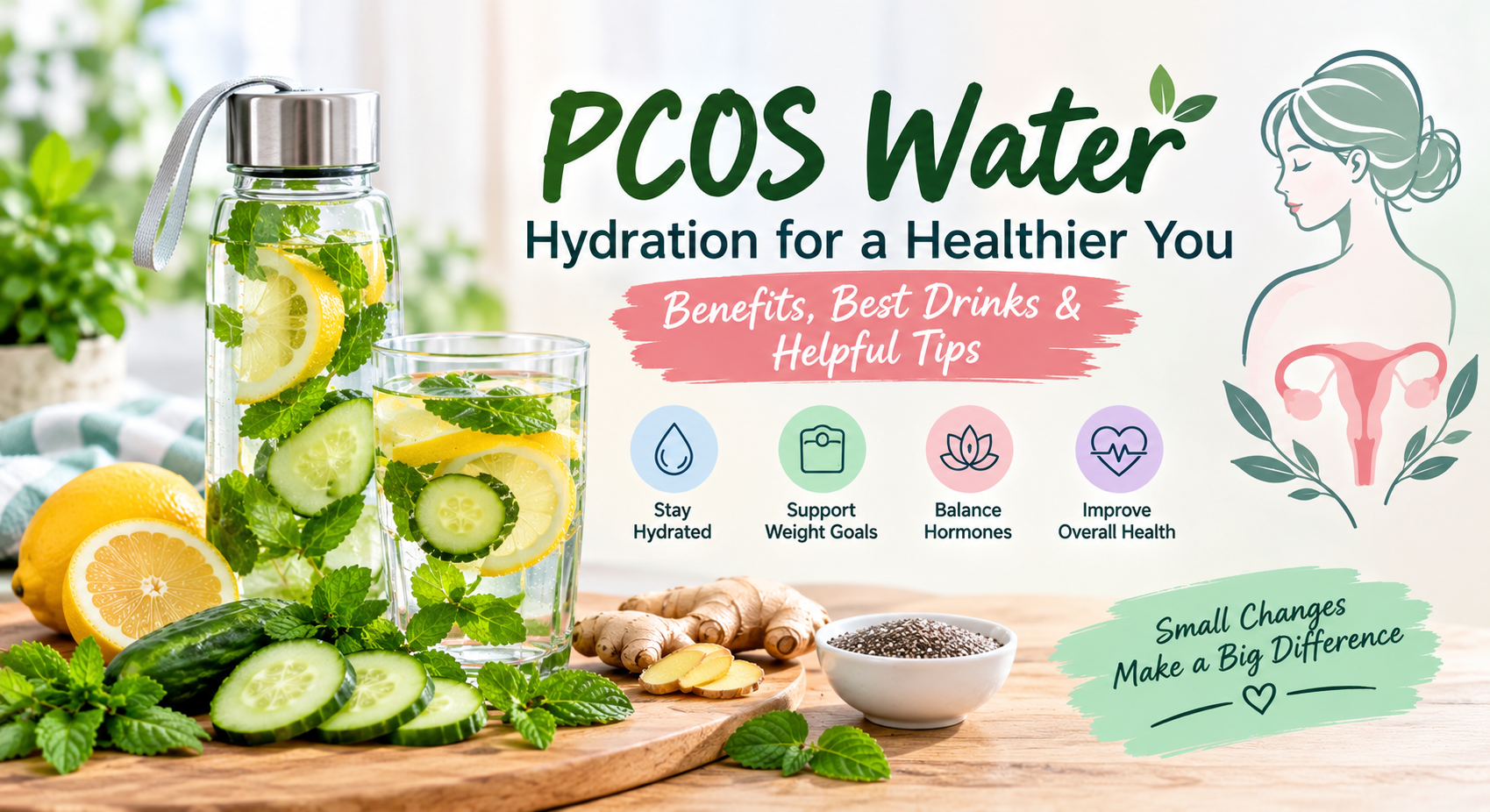
When people search for PCOS water, they are often looking for a simple homemade drink that may fit into a healthy lifestyle while managing polycystic ovary syndrome (PCOS). You may see recipes online featuring lemon, cucumber, mint, ginger, chia seeds, or other ingredients, with claims that these drinks can support hormonal balance, reduce bloating, or help with weight loss. While some of these drinks can certainly be refreshing and nutritious additions to a daily routine, it is important to understand what they can and cannot do. PCOS is a complex hormonal and metabolic condition, and there is no single water recipe that can cure it. Instead, hydration should be considered one small part of a broader approach that includes balanced nutrition, physical activity, sufficient sleep, stress management, and appropriate medical care.
PCOS can affect menstrual cycles, ovulation, fertility, skin, hair growth, body weight, and metabolic health. Symptoms and their severity vary considerably from person to person, which means that there is no universal PCOS routine that works exactly the same way for everyone. Current international PCOS guidance emphasizes sustainable healthy lifestyle habits, including nutritious eating and regular physical activity, as important components of PCOS management. Water itself is primarily important because it helps maintain normal hydration and can be an excellent alternative to sugary beverages.
What Is PCOS Water?
The phrase PCOS water is not the name of a medically recognized treatment or a specific standardized beverage. Instead, it is commonly used online to describe water-based drinks that people believe may fit into a PCOS-friendly lifestyle. These drinks can be as simple as plain water or may include ingredients such as fresh lemon, cucumber, mint, ginger, berries, or other fruits and herbs. Some people also add chia seeds or other ingredients, although adding an ingredient does not automatically make the drink a treatment for PCOS.
The simplest and most useful way to think about PCOS water is as a healthier hydration option. Plain water contains no added sugar and essentially no calories, while flavored water can make drinking fluids more enjoyable for people who do not like the taste of plain water. The NHS recommends drinking regularly throughout the day and identifies water as a healthy choice for hydration. (nhs.uk) The benefit therefore comes primarily from hydration and, in some cases, from replacing drinks that contain large amounts of added sugar.
Why Is Hydration Important With PCOS?
Adequate hydration is important whether a person has PCOS or not. Water is involved in many normal processes throughout the body, and insufficient fluid intake can contribute to symptoms such as thirst, tiredness, headaches, dizziness, and dry mouth. People may need different amounts of fluid depending on their body size, physical activity, climate, diet, health status, and other factors. This is especially relevant for people living in hot climates or those who spend considerable time outdoors and lose more fluid through sweating.
The NHS gives around 6 to 8 glasses of fluid per day as a general guide for adults, while also emphasizing that individual requirements can vary. People may need more fluid during hot weather, prolonged physical activity, pregnancy, breastfeeding, or illness. (nhs.uk) Someone with PCOS does not necessarily need a special amount of water simply because they have the condition. The goal should be regular and adequate hydration rather than forcing yourself to drink excessive quantities.
Can PCOS Water Help With Weight Loss?
Weight loss is one of the main reasons people become interested in special PCOS drinks. However, it is important to separate the potential benefits of drinking water from claims that a particular drink can directly burn body fat. Water itself does not contain a special ingredient that cures PCOS or automatically causes fat loss. Its role can be more practical: choosing water instead of sugary drinks can reduce the number of calories and added sugars consumed from beverages, which may support an overall weight-management plan.
For example, replacing regular soft drinks, sweetened juices, sugary iced tea, or heavily sweetened coffee with plain or naturally flavored water can be a simple lifestyle change. For someone who regularly consumes high-calorie drinks, these substitutions may make a meaningful difference over time. However, sustainable weight management involves the entire dietary pattern, physical activity, sleep, and other individual factors. International PCOS guidelines support individualized lifestyle management rather than recommending one special drink or one universal diet for everyone with PCOS. (monash.edu)
Best PCOS Water for Everyday Hydration
For most people, plain water is an excellent everyday option. It is widely available, contains no added sugar, and can be consumed throughout the day. If you find plain water boring, you can add natural flavors such as lemon, lime, cucumber, or mint. These additions can make the drink more appealing without requiring sugar or high-calorie syrups.
The best choice is therefore not necessarily the most complicated recipe. A simple glass or bottle of water that you actually enjoy drinking can be more useful than an expensive product that promises dramatic hormonal benefits. If flavored water helps you drink more consistently and replaces sugary beverages, it can be a practical addition to a healthy lifestyle.
PCOS Water With Lemon
Lemon water is one of the most popular homemade beverages associated with healthy eating and PCOS. It can be prepared simply by adding a few slices of fresh lemon or a small amount of lemon juice to a glass or bottle of water. Mint leaves can also be added for extra flavor. This makes a refreshing drink that contains very little energy unless sugar or another calorie-containing sweetener is added.
However, lemon water should not be presented as a treatment for PCOS. There is no reason to believe that simply adding lemon to water will correct hormonal imbalance or cure the condition. Its practical advantage is that it can make water more enjoyable, which may encourage regular hydration. If someone normally drinks sugary beverages, unsweetened lemon water can also be an easy substitution that reduces added sugar intake.
PCOS Water With Mint and Cucumber
Cucumber and mint water is another simple option for people who want a refreshing alternative to plain water. To prepare it, add several slices of cucumber and a small handful of fresh mint leaves to a jug of water. You can also add lemon or lime if you prefer a stronger flavor, then refrigerate the mixture for a few hours.
This type of infused water can be particularly appealing during warm weather. The main benefit is still hydration rather than a direct effect on PCOS hormones. It can be useful because people are often more likely to drink a beverage that tastes pleasant. If cucumber-mint water helps you choose water instead of sugary soda or another sweetened beverage, it can fit well into a healthy lifestyle.
Is Warm Water Good for PCOS?
Some wellness routines recommend drinking warm or hot water in the morning for “detoxification,” digestion, hormonal balance, or weight loss. While warm water can certainly be part of a comfortable morning routine, there is no strong evidence that its temperature gives it a special ability to treat PCOS. The body does not require a particular water temperature to manage hormonal health.
If you enjoy warm water, you can absolutely include it in your daily routine. Some people prefer it in the morning or during colder weather, while others prefer chilled water. The important issue is maintaining adequate hydration and making healthy beverage choices rather than focusing on the temperature of the water.
Can Ginger Water Help With PCOS?
Ginger is another ingredient frequently included in homemade wellness drinks. Fresh ginger can be added to warm water along with lemon, or a few thin slices can be steeped in hot water to make a simple ginger drink. Ginger has been studied for various health purposes, but evidence concerning specific PCOS outcomes should not be exaggerated.
If you enjoy ginger water, it can be included as part of a varied diet. However, it should not replace medical treatment or be promoted as a guaranteed way to balance hormones. People who take medications or have particular health conditions should also be cautious about regularly consuming concentrated herbal products and should discuss them with a healthcare professional when appropriate.
What About Apple Cider Vinegar Water?
Apple cider vinegar water is another drink frequently promoted on social media for weight loss, blood sugar control, and hormonal health. While vinegar has been investigated in nutrition research, drinking diluted apple cider vinegar should not be presented as a proven treatment for PCOS. There is a major difference between studying an ingredient for a particular outcome and proving that a homemade drink can treat a complex hormonal condition.
If someone chooses to consume apple cider vinegar, it should be properly diluted rather than taken straight. Concentrated vinegar can irritate the mouth and throat and may contribute to dental enamel erosion. People taking medications or managing medical conditions should also discuss regular use with a healthcare professional.
Best Drinks for PCOS
There is no single drink that is officially considered the “best drink” for everyone with PCOS. In everyday life, water is one of the simplest choices because it provides hydration without added sugar or calories. Unsweetened tea and coffee can also fit into many healthy eating patterns, while sparkling water can be useful for people who enjoy carbonated drinks.
Infused water is another practical choice when you want more flavor. Lemon, cucumber, mint, berries, or other fresh ingredients can make water more interesting without requiring large amounts of sugar. The NHS recommends water and lower-sugar drinks as healthier beverage choices and advises limiting drinks that are high in sugar. (nhs.uk)
Drinks to Limit With PCOS
Having PCOS does not mean that you must completely eliminate every sweet drink from your life. However, regularly consuming large quantities of sugary beverages can make it harder to maintain a balanced diet, especially when weight management or blood-sugar control is a concern. Soft drinks, sweetened energy drinks, sugary iced teas, large amounts of fruit juice, milkshakes, and heavily sweetened coffee beverages can all contribute substantial amounts of sugar and calories.
Replacing some of these beverages with water can be a simple improvement that does not require an extreme diet. You can gradually reduce the amount of sugar in tea or coffee, choose unsweetened versions, or keep a bottle of water nearby throughout the day. Small changes are often easier to maintain than strict rules.
Does Drinking Water Reduce PCOS Bloating?
Bloating can be frustrating for people with PCOS, but it is important to remember that bloating has many possible causes. It can be related to diet, digestion, constipation, menstrual-cycle changes, food intolerances, or other health conditions. Therefore, it would be misleading to say that drinking a particular type of PCOS water will automatically eliminate bloating.
Adequate hydration supports normal bodily functions and can be part of a healthy routine, but persistent or severe bloating deserves proper attention. If bloating is painful, continues for a long period, or occurs with other concerning symptoms, discussing it with a healthcare professional is more appropriate than relying on a homemade drink.
How Much Water Should You Drink With PCOS?
There is no special universal water requirement that applies to every person with PCOS. Fluid needs depend on individual circumstances, including activity level, weather, diet, body size, pregnancy status, breastfeeding, illness, and other health factors. The NHS provides 6 to 8 glasses of fluid per day as a general guide for adults, but this is not a strict requirement for every person. (nhs.uk)
People who live in hot environments or exercise regularly may need additional fluids because they lose more water through sweating. Rather than forcing yourself to drink a very large amount, it is generally more practical to drink regularly throughout the day and respond to your body's fluid needs. Anyone with a medical condition affecting fluid balance should follow individualized advice from a healthcare professional.
A Simple PCOS Hydration Routine
A consistent hydration routine does not have to be complicated. You can begin the morning with a glass of water if that feels comfortable, keep a reusable bottle nearby during work or study, and drink regularly throughout the day. During meals, water can be used instead of sugary beverages, while lemon, mint, or cucumber can be added when you want additional flavor.
If you exercise or spend time outside in hot weather, pay additional attention to fluid loss. After exercise, continue replacing fluids according to your thirst and activity level. At night, avoid forcing yourself to drink excessive amounts immediately before sleeping if doing so causes repeated trips to the bathroom and interferes with sleep.
PCOS Water and a Healthy Diet
Water is most useful when it is part of a complete lifestyle approach rather than something expected to solve every PCOS symptom. A nutritious eating pattern can include vegetables, fruits, whole grains, beans, lentils, eggs, fish, chicken, nuts, seeds, yogurt, and healthy sources of dietary fat. The precise combination should be adapted to individual preferences, nutritional requirements, culture, budget, and health goals.
Current international PCOS guidance does not identify one specific diet as universally superior for all people with PCOS. Instead, it supports healthy lifestyle behaviors and individualized approaches. (monash.edu) This means that drinking water is helpful, but it should complement—not replace—a nutritious overall eating pattern.
PCOS Water and Exercise
Physical activity is another important part of a healthy lifestyle for people with PCOS. Regular movement can support cardiovascular fitness, metabolic health, strength, mood, and general wellbeing. Depending on your fitness level, exercise can include walking, cycling, swimming, resistance training, dancing, or other activities you enjoy.
Hydration becomes particularly important when exercising because the body loses water through sweat. For ordinary activities, water may be sufficient for many people. During prolonged or intense exercise, particularly in hot weather, fluid and electrolyte requirements can increase. If you have a medical condition or take medication that affects fluid or electrolyte balance, individualized professional advice is recommended.
Can PCOS Water Cure PCOS?
No. There is currently no water recipe that can cure PCOS. PCOS is a long-term hormonal condition, and management may involve lifestyle changes, medical monitoring, medications, and treatment of specific symptoms when necessary. The NHS explains that there is currently no cure for PCOS, although symptoms can be managed through lifestyle changes and medical treatments. (nhs.uk)
This distinction is important because social media often promotes “detox water,” herbal water, or special morning drinks as if they can permanently eliminate PCOS. Such claims can create unrealistic expectations and may cause someone to delay appropriate medical care. A healthy drink can support your routine, but it should not be treated as a replacement for evidence-based PCOS management.
PCOS Water for Women Trying to Lose Weight
For someone with PCOS who wants to manage their weight, water can be a particularly useful beverage choice because it contains no added sugar and essentially no calories. One simple strategy is to replace some calorie-containing drinks with water. For example, someone who regularly drinks sweetened soda might gradually replace it with chilled water, lemon water, or unsweetened sparkling water.
This does not mean that water itself causes significant fat loss. Instead, it can make a healthy diet easier to maintain by reducing unnecessary calories from beverages. Sustainable weight management involves the overall eating pattern, physical activity, sleep, stress, and individual circumstances. For people with PCOS, the emphasis should be on healthy and sustainable habits rather than extreme restrictions.
PCOS Water for Pakistani Diets
For people living in Pakistan, hydration can be particularly important during the hot summer months. High temperatures, outdoor activities, exercise, and sweating can all increase fluid requirements. At the same time, traditional meals may sometimes be accompanied by sweetened drinks, juices, or sugary teas.
Simple alternatives can include chilled plain water, lemon water without added sugar, mint water, cucumber water, or unsweetened tea. Keeping a reusable water bottle available at home, work, university, or while traveling can make regular hydration easier. These choices do not need to be expensive or complicated, which makes them practical for everyday routines.
Common Myths About PCOS Water
Myth 1: PCOS water melts belly fat.
Reality: No particular water recipe has been proven to directly melt body fat. Water can support healthy habits, particularly when it replaces sugary beverages, but sustainable fat loss depends on the overall energy balance and lifestyle pattern.
Myth 2: Lemon water cures PCOS.
Reality: Lemon water can be a refreshing low-calorie drink, but adding lemon to water does not cure hormonal or metabolic PCOS problems.
Myth 3: Drinking huge amounts of water causes faster weight loss.
Reality: Adequate hydration is important, but excessive water intake is not a healthy shortcut to weight loss. The goal should be appropriate hydration rather than consuming as much water as possible.
Myth 4: Detox water removes PCOS toxins.
Reality: Claims about special “PCOS toxins” being removed through detox water are not a substitute for evidence-based medical care. The body has its own organs and systems for processing and eliminating waste.
Myth 5: Everyone with PCOS needs special electrolyte water.
Reality: Not everyone with PCOS requires an electrolyte beverage. Many healthy people can meet their everyday fluid needs with water and obtain electrolytes from a balanced diet. Individual requirements can change with exercise, sweating, climate, medications, and health conditions.
When Should You Speak With a Doctor?
A healthy hydration routine can be useful, but it should never replace appropriate medical evaluation. If you have very irregular or absent periods, difficulty becoming pregnant, significant unwanted facial or body hair, persistent acne, unexplained weight changes, or other symptoms associated with PCOS, it is worth discussing them with a qualified healthcare professional.
It is also important to seek medical advice if symptoms are severe, persistent, or changing unexpectedly. PCOS can be associated with reproductive and metabolic health concerns, so appropriate monitoring can be an important part of long-term care. (nhs.uk)
Final Thoughts
PCOS water is best understood as a simple concept for healthier hydration rather than a special medical treatment. Plain water, lemon water, cucumber water, and mint water can all be refreshing, low-calorie choices that help people stay hydrated. Their practical value can be even greater when they replace sugary drinks that provide unnecessary calories and added sugar.
However, there is no magic water recipe that cures PCOS, balances every hormone, or automatically burns body fat. If you are managing PCOS, the bigger picture matters much more: focus on nutritious food, regular physical activity, sufficient sleep, stress management, appropriate hydration, and medical care when needed. International PCOS guidance supports individualized lifestyle management rather than depending on one food, drink, or “detox” recipe. (monash.edu)
If you enjoy lemon, mint, cucumber, or ginger in your water, there is nothing wrong with making your hydration routine more enjoyable. Just keep the expectations realistic. Water can be an excellent part of a PCOS-friendly lifestyle, but it is not a cure for PCOS.
Medical disclaimer: This article is intended for general educational purposes and does not replace individualized medical advice, diagnosis, or treatment. If you have PCOS, take medication, are pregnant or trying to conceive, or have another medical condition, speak with a qualified healthcare professional about your individual needs.
 French
 English
 Arabic
 Spanish
 Portuguese
 Deutsch
 Turkish
 Dutch
Dutch
 Italiano
 Russian
 Romaian
 Portuguese (Brazil)
 Greek
Greek