


How Water Infrastructure Modernization Is Reshaping Pump Demand in Italy
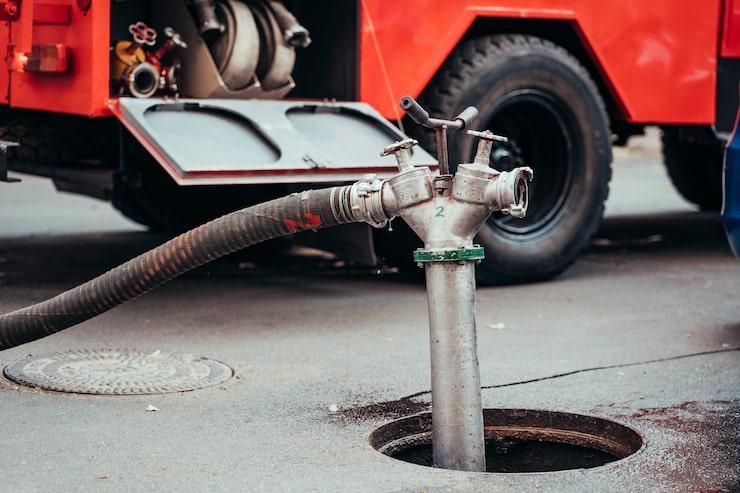
Italy’s water infrastructure is facing a combination of aging networks, regional water stress, irrigation requirements, and growing pressure to improve resource efficiency. These conditions are influencing the need for reliable pumping equipment across drinking-water supply, wastewater treatment, agriculture, industrial facilities, and other applications. Modernization is also increasingly connected with digital monitoring, energy efficiency, and infrastructure resilience.
According to the Italy water pump market report published by Markntel Advisor, the sector was valued at around USD 2.21 billion in 2025 and is projected to reach approximately USD 2.72 billion by 2032, expanding at a CAGR of 2.34% during 2026–2032. The study identifies infrastructure modernization, irrigation requirements, wastewater treatment, water scarcity, and increasing adoption of efficient pumping technologies as important factors influencing the sector.
Aging Water Networks Create Replacement Requirements
Aging infrastructure is an important consideration for Italy’s water-management system. Older pipelines, pumping stations, reservoirs, and distribution assets can contribute to water losses and higher maintenance requirements. As operators work to improve reliability, pump replacement can become part of wider network rehabilitation programs rather than an isolated equipment upgrade.
Italy has been directing significant investment toward primary water infrastructure. In July 2026, the Ministry of Infrastructure and Transport reported that 48 water systems had been completed under the national recovery program, including systems intended for drinking-water, irrigation, and mixed uses. The Italian water infrastructure investment program is intended to strengthen supply security, reduce losses and waste, and improve resilience to climate-related pressures.
Water Scarcity Increases Efficiency Priorities
Water availability varies considerably across Italy, with seasonal scarcity particularly relevant in several regions. The European Environment Agency identifies Italy among the European countries experiencing seasonal water-scarcity conditions, particularly during periods when rainfall decreases while agricultural and other withdrawals increase.
This environment increases the importance of efficient pumping. Operators may need to manage changing flow requirements while minimizing unnecessary energy consumption. Pump sizing, hydraulic-system design, variable-speed operation, and pressure management can therefore become important considerations when modernizing water infrastructure.
Energy efficiency is particularly relevant for irrigation and municipal systems where pumps can operate for extended periods. More responsive equipment can help align pumping output with actual demand rather than maintaining fixed operating conditions regardless of changes in water requirements.
Irrigation Remains an Important Application
Agriculture is a major water-consuming sector in Italy, making irrigation infrastructure an important source of pump demand. Pumping systems support water abstraction, transfer, pressurization, and distribution across agricultural networks.
The European Environment Agency highlights Italy’s experience with smart irrigation technologies, including IRRINET in Emilia-Romagna. The system integrates crop monitoring and irrigation decision support to help farms determine appropriate irrigation schedules, illustrating how digital tools can complement physical pumping infrastructure.
Modern irrigation increasingly combines pumps with sensors, remote controls, weather information, and automated distribution systems. This integration can improve the ability of agricultural operators to respond to changing crop-water requirements and seasonal conditions.
Water Reuse Opens New Pumping Applications
Water reuse is becoming another component of Italy’s response to water scarcity. Treated wastewater can provide an alternative resource for agricultural and industrial applications, reducing reliance on freshwater sources where appropriate treatment and regulatory requirements are met.
In November 2025, Italy’s Ministry of Agriculture announced measures supporting the use of treated wastewater for irrigation while emphasizing quality and safety requirements. This development creates additional infrastructure requirements because regenerated water must be collected, treated, transferred, stored, and distributed to end users.
In 2026, Italy’s national water-scarcity commissioner also approved a project in Montesilvano focused on reusing treated wastewater for irrigation and industrial purposes. The wastewater reuse project includes technological upgrades and new collection networks, demonstrating how water reuse can generate additional requirements for pumping and distribution infrastructure.
Digitalization Supports Smarter Pump Operation
Digital technologies are changing how pumping systems can be monitored and controlled. Sensors, remote monitoring, automated controls, and data-based maintenance systems can provide operators with more detailed information about pressure, flow, vibration, temperature, and equipment performance.
For municipal networks, these technologies can help identify abnormal operating conditions and support maintenance planning. For agricultural applications, digital controls can connect pump operation with irrigation schedules and changing field requirements.
The wider shift toward smart water infrastructure is therefore not limited to replacing mechanical equipment. It increasingly involves integrating pumps with control systems that can improve visibility and operational responsiveness.
Centrifugal Pumps Serve Diverse Applications
Centrifugal pumps remain important across Italy because of their broad suitability for water supply, wastewater treatment, irrigation, industrial processes, and other fluid-handling applications. Their ability to handle continuous-flow requirements makes them relevant to many infrastructure projects.
However, equipment selection is increasingly influenced by the operating environment. Applications involving wastewater, corrosive fluids, high pressure, or variable flow can require different materials, configurations, controls, and maintenance approaches.
The shift toward efficient operation is also encouraging the integration of centrifugal pumps with variable-frequency drives and automated control systems. Such combinations can help operators adjust pump performance when hydraulic requirements change.
Infrastructure Investment Supports Future Demand
Italy’s infrastructure investment pipeline provides another important foundation for pumping-equipment requirements. In April 2025, the Ministry of Infrastructure and Transport presented the first section of the National Plan for Infrastructure and Safety in the Water Sector, covering 66 projects across 19 regions with more than EUR 954 million in funding. The national water infrastructure plan includes projects related to improving water infrastructure and addressing supply resilience.
Such investments can support demand for pumps used in water abstraction, storage, treatment, transmission, irrigation, and distribution. The requirements, however, are likely to vary by region according to water availability, infrastructure age, agricultural activity, and local industrial needs.
Outlook for Italy’s Pumping Infrastructure
Italy’s water pump sector is increasingly connected with the broader need to strengthen water security while improving resource and energy efficiency. Aging networks are creating modernization requirements, while irrigation, wastewater reuse, and municipal infrastructure are generating continuing applications for pumping equipment.
The growing use of digital controls and smart irrigation technologies is also changing how pumps are operated and maintained. Future demand is therefore likely to depend not only on pumping capacity but also on efficiency, reliability, controllability, and compatibility with modern water-management systems. As Italy continues investing in resilient infrastructure, pumping equipment is expected to remain an important component of the country’s evolving water-management framework.
 Turkish
 English
 Arabic
 French
 Spanish
 Portuguese
 Deutsch
 Dutch
Dutch
 Italiano
 Russian
 Romaian
 Portuguese (Brazil)
 Greek
Greek