


Hair Transplant in Dubai in 2026: What International Patients Should Know Before Booking
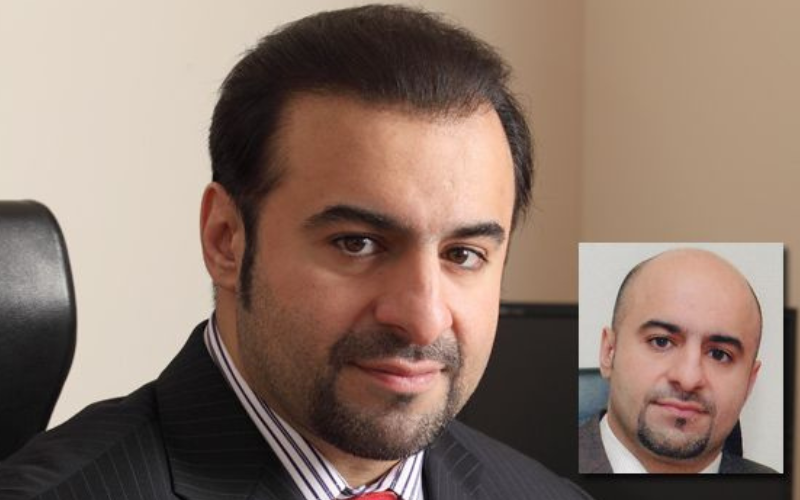
Hair loss is a personal experience, and for many people, the decision to get a hair transplant does not happen overnight. It often begins with small changes that become harder to ignore. A receding hairline, thinning crown, or increased scalp visibility can slowly affect confidence and make people search for a long-term solution.
For international patients, the journey usually starts with research. They compare countries, explore different procedures, read patient experiences, and try to understand what actually matters before making a decision. Questions about safety, medical expertise, recovery time, and expected results often become more important than the procedure itself.
Dubai has become one of the destinations attracting patients from around the world for specialised healthcare services. The city’s advanced healthcare infrastructure, international accessibility, and growing medical tourism sector have made it a popular choice for people looking for aesthetic and restorative treatments.
According to Dubai medical tourism data, the city welcomed 691,478 international medical tourists in 2023, with healthcare spending exceeding AED 1 billion. This growth reflects the increasing demand for specialised healthcare services among visitors travelling from different countries.
However, choosing a destination is only one part of the decision. A successful hair transplant depends on proper evaluation, experienced medical professionals, realistic expectations, and a treatment plan designed around the individual patient.
For anyone considering a hair transplant UAE option in 2026, understanding the process before booking can help avoid common mistakes and create a more informed treatment experience.
Why International Patients Are Considering Dubai for Hair Restoration
Dubai has developed into an important healthcare destination because it combines modern medical facilities with easy international access. Patients from Europe, Asia, and neighbouring Gulf countries often consider Dubai because they can receive specialised treatment while travelling to a city that is well connected globally.
For international patients, the decision is usually not only about the procedure itself. They also consider how organised, comfortable, and reliable the entire treatment journey will be.
Several factors make Dubai attractive for medical travellers.
International Healthcare Environment
Patients travelling abroad for treatment usually want clear communication and a smooth process from the first consultation until recovery.
Before booking, many international patients look for:
-
Online consultations before travelling: This allows patients to discuss their concerns, share their medical history, and understand whether they may be suitable candidates before making travel arrangements.
-
Clear explanations about the procedure: Patients want to understand the recommended technique, expected results, recovery timeline, and possible limitations.
-
Medical teams experienced with overseas patients: International patients often need additional support because they are managing treatment away from their home country.
-
Proper follow-up after returning home: Recovery continues after leaving Dubai, so having a clear follow-up process is important.
A hair transplant requires multiple stages, and international patients need confidence that they will receive guidance throughout the journey, not only on the day of the procedure.
Dubai’s healthcare sector has also focused on medical tourism services, helping international patients access healthcare options in a structured environment. However, patients should still verify medical qualifications, clinic standards, and treatment details before making a decision.
Easy Travel Planning
Dubai’s location makes it accessible for many patients travelling from different regions. Its international airport connections allow visitors to plan medical trips without complicated travel arrangements.
However, convenience should not be the main reason for choosing treatment. A nearby clinic with limited experience may not always provide the same level of care as a qualified medical team with proper planning and expertise.
The quality of assessment, treatment approach, and aftercare should always be the priority.
A hair transplant is a procedure that can affect a person’s appearance for many years. The decision should be based on medical expertise rather than only location or price.
Understanding How a Hair Transplant Works
A hair transplant is a procedure that moves healthy hair follicles from one area of the scalp to another. It does not create new hair. Instead, it uses existing follicles from a donor area, usually the back or sides of the scalp, and places them in areas affected by thinning or baldness.
The goal is to create natural-looking coverage while maintaining the patient’s existing hair pattern.
A proper hair transplant usually involves three important stages.
The Consultation Process Before Surgery
The consultation is one of the most important parts of the entire treatment journey because it determines whether a patient is suitable for a transplant and what type of approach is needed.
Hair loss can happen for different reasons, and every patient has different requirements. A good evaluation usually considers:
-
The cause and pattern of hair loss
-
The strength and density of the donor area
-
The amount of available hair follicles
-
The patient’s age and future hair loss possibility
-
The expected level of improvement
This assessment helps create realistic expectations.
For example, a person with early-stage hair thinning may need a different approach compared with someone who has experienced stable pattern baldness for several years. The right plan should consider not only how the hair looks today but also how it may change in the future.
A good consultation is not only about deciding whether someone can have a transplant. It is about creating a treatment plan that matches the patient’s current condition and future needs.
FUE Hair Transplant and Modern Restoration Techniques
Follicular Unit Extraction, commonly known as FUE, is one of the most commonly used hair transplant techniques today.
During an FUE procedure, individual hair follicles are carefully removed from the donor area and placed into areas where more density is needed. Because the follicles are extracted individually, the method does not involve removing a strip of scalp tissue.
Many patients prefer FUE because it usually leaves tiny extraction marks rather than a linear scar associated with older methods. However, the technique alone does not determine the success of the procedure.
The final result depends on several factors, including:
-
The quality of the donor hair
-
The experience of the medical team
-
The design of the hairline
-
The placement angle of each follicle
-
The long-term treatment plan
The International Society of Hair Restoration Surgery (ISHRS) has reported continued growth in hair restoration procedures worldwide. Its research showed that the average number of patients treated by surveyed members increased by 20% since 2021, reflecting continued interest in hair restoration treatments.
Patients researching different procedures should understand how techniques work and what factors influence the outcome before choosing a treatment approach. More information about the process and available options for hair transplant UAE can help patients better understand what to consider before booking.
Why Hairline Design Matters for Natural Results
Many people think a successful hair transplant is simply about adding more hair. In reality, the quality of planning often has a greater impact on how natural the final result appears.
A natural hairline should match the patient’s facial structure, age, and existing hair pattern.
A specialist usually considers:
Facial Balance and Age
The hairline should look appropriate for the person’s overall appearance. A hairline designed without considering age or future hair loss may look unnatural over time.
Natural Hair Direction
Hair does not grow in a perfectly straight pattern. Each follicle follows a specific direction and angle. During transplantation, these details need to be considered so the new hair blends with existing hair.
Donor Area Protection
The donor area contains a limited number of healthy follicles. Removing too many grafts can create visible thinning and may reduce future options if additional treatment is needed.
This is why a successful transplant is not about using the maximum number of grafts. It is about using available follicles wisely and creating a result that looks natural over time.
Why Hair Transplant Patients Are Becoming Younger
Hair restoration is no longer only associated with older men. More younger adults are now seeking professional advice because they want to understand their options before hair loss becomes more advanced.
The ISHRS 2025 Practice Census reported increasing interest among younger patients and showed that female hair restoration surgery patients increased by 16.5% between 2021 and 2024.
This change shows that hair loss affects a wider group of people than before. Many patients now prefer early evaluation instead of waiting until significant thinning develops.
For younger patients, proper planning is especially important because hair loss can continue after a transplant.
Before booking, they should understand:
-
Whether their hair loss is stable
-
Whether other treatments should be considered first
-
How future thinning may affect results
-
What improvement is realistically possible
A good treatment plan focuses on long-term results rather than only solving the current appearance.
What International Patients Should Check Before Booking in Dubai
Travelling to another country for a medical procedure requires careful research. International patients should look beyond advertisements and focus on the quality of care they will receive.
Before booking, it is important to understand the medical team, treatment approach, and aftercare process.
Understand the Medical Team’s Experience
Patients should know who will be involved in their procedure and how much responsibility the specialist has throughout the process.
Important questions include:
-
Who creates the treatment plan?
-
Who designs the hairline?
-
Who performs the extraction and implantation?
-
What support is available after the patient returns home?
Having clear answers helps patients make decisions based on medical expertise rather than promises.
Review Before and After Results Carefully
Before and after images can help patients understand previous work, but they should be reviewed carefully.
The most useful examples are cases that show similar hair loss patterns, realistic timelines, and natural-looking outcomes.
A patient should focus on consistency and quality rather than expecting every result to look exactly the same.
Planning Your Dubai Visit Before a Hair Transplant
For international patients, a hair transplant involves more planning than simply selecting a procedure date. Travelling to another country for treatment requires preparation because patients need to consider consultation, surgery, recovery, and follow-up care.
Many people focus only on the day of the procedure, but the decisions made before travelling can have a major impact on the overall experience. Understanding the process in advance helps patients prepare properly and avoid unnecessary stress.
A well-planned journey usually begins with an online consultation. During this stage, patients can discuss their hair loss concerns, share their medical history, explain their expectations, and understand whether they may be suitable candidates for treatment.
Before travelling, patients should prepare:
-
Details about their hair loss history: Understanding when hair loss started, how quickly it progressed, and which areas are affected helps the medical team create a more accurate assessment.
-
Previous treatment information: Patients should share details about medications, supplements, or previous hair restoration treatments they have tried.
-
Questions about the recommended procedure: Having questions prepared before consultation helps patients understand the treatment plan more clearly.
-
Realistic expectations: Understanding that hair restoration takes time allows patients to approach the process with a better mindset.
A detailed consultation before arrival helps both the patient and medical team understand the situation better and creates a clearer treatment plan.
How Long Should International Patients Stay in Dubai After a Hair Transplant?
One of the most common questions international patients ask is how long they need to stay in Dubai after the procedure.
The exact timeline depends on the individual treatment plan, but patients should avoid planning their return immediately after surgery because the scalp needs time to begin the healing process.
During the first few days, patients may experience:
-
Mild redness around treated areas
-
Small scabs around transplanted follicles
-
Slight swelling
-
Scalp sensitivity
These effects are usually part of the normal recovery process. Patients are generally provided with aftercare instructions that explain how to wash the scalp, protect the transplanted follicles, and support healing.
After returning home, the recovery process continues. Hair growth happens gradually, and patients need to follow instructions carefully while staying connected with their medical team if questions arise.
Understanding this timeline helps international patients plan their flights, accommodation, and work schedules more realistically. It also prevents patients from expecting immediate results after the procedure.
Understanding Hair Transplant Costs in Dubai
Cost is one of the most searched topics among people considering a hair transplant abroad. However, there is no single fixed price because every patient has different requirements.
A person needing a small hairline correction will usually have a different treatment plan compared with someone who requires significant restoration.
Several factors influence the overall cost.
Number of Grafts Required
The number of grafts needed depends on the size of the area being treated and the level of coverage required.
A specialist usually considers:
-
The amount of existing hair loss
-
Donor area quality
-
Desired density
-
Future hair loss possibility
More grafts do not always mean better results. Using too many grafts without proper planning can affect the donor area and create challenges if further treatment is needed in the future.
Procedure Technique and Complexity
Different cases require different levels of planning and technical work.
A patient who needs a small correction may require a different approach compared with someone who needs extensive hairline reconstruction or coverage for advanced hair loss.
Patients should understand what is included in their treatment plan instead of comparing options only by price or graft numbers.
Quality of Medical Planning
A hair transplant is a long-term decision. The results are expected to last for many years, which is why the quality of planning matters.
When comparing treatment options, patients should consider:
-
The experience of the medical team
-
The level of supervision during treatment
-
The consultation process
-
The quality of follow-up care
The most important question is not only, “How much does it cost?” but also, “What level of care and planning am I receiving for this treatment?”
What Happens After Returning Home?
Many international patients worry that their treatment journey ends once they leave Dubai. In reality, aftercare plays an important role in protecting the results.
The transplanted follicles need time to settle and grow. Patients should follow aftercare instructions carefully and avoid activities that may affect healing during the early recovery period.
The recovery process generally happens in stages.
First Few Weeks After Treatment
Some transplanted hairs may shed during the early weeks. This can surprise patients, but temporary shedding is a common part of the natural hair growth cycle.
The follicle remains in place, and new growth can develop later.
Understanding this stage is important because some patients mistakenly believe the procedure has failed when they notice temporary shedding.
Three to Six Months After Treatment
New hair growth usually becomes more noticeable during this period. However, growth speed varies between individuals.
Factors such as genetics, overall health, and the natural hair cycle influence how quickly results appear.
Patients should focus on gradual improvement rather than expecting sudden changes.
Around One Year and Beyond
Hair continues to mature and become thicker over time. Many patients evaluate their final results after approximately twelve months because complete growth requires patience.
A hair transplant is a gradual restoration process, not an overnight transformation. Understanding this timeline helps patients maintain realistic expectations.
Common Mistakes International Patients Should Avoid Before Booking
Travelling abroad for a hair transplant can be a positive experience when patients make careful decisions. However, several mistakes can lead to disappointment.
Choosing Only Based on Price
One of the biggest mistakes patients make is selecting a clinic only because it offers the lowest price.
A hair transplant involves medical decisions that affect appearance for years. A cheaper option may not always include the same level of planning, experience, or follow-up care.
Patients should compare the complete treatment approach instead of focusing only on the cost.
Expecting Someone Else’s Results
Every person’s hair is different, and results vary from patient to patient.
The final outcome depends on factors such as:
-
Hair thickness
-
Donor area availability
-
Existing hair loss pattern
-
Healing process
-
Long-term hair condition
A realistic consultation should explain what can be achieved based on the patient’s own situation rather than promising results based on another person’s experience.
Ignoring Future Hair Loss
A transplant restores hair in specific areas, but it does not stop natural hair loss from continuing elsewhere.
This is especially important for younger patients. A good treatment plan should consider how the hair may change over time and whether additional management may be needed later.
How to Verify a Hair Transplant Clinic Before Travelling to Dubai
International patients cannot always visit a clinic before booking, so they need to carefully evaluate their options from a distance.
Before making a decision, patients should check:
-
Whether the healthcare facility follows proper medical standards
-
The qualifications and experience of the medical professionals
-
Whether the doctor is involved in planning the procedure
-
Whether before and after results show realistic outcomes
-
How communication and follow-up will work after returning home
Taking time to verify these details can help patients avoid decisions based only on online advertisements or attractive packages.
Questions International Patients Should Ask Before Booking
Before confirming a hair transplant in Dubai, patients should have clear answers to important questions.
Am I a Suitable Candidate for This Procedure?
A proper assessment should explain whether a transplant is the right option based on the patient’s hair loss pattern, donor area quality, and expectations.
How Many Grafts Do I Need and Why?
Patients should understand the reason behind the recommended graft number instead of accepting a fixed package without proper explanation.
Who Will Perform the Procedure?
Patients should know who is responsible for important medical decisions, including hairline design, treatment planning, and procedure supervision.
What Results Are Realistic?
A trustworthy consultation should explain expected improvement and possible limitations instead of creating unrealistic expectations.
What Support Will I Receive After Returning Home?
International patients should understand how follow-up communication will work once they leave Dubai.
Having answers to these questions helps patients make decisions based on knowledge rather than pressure.
Making an Informed Decision About Hair Restoration in Dubai
Choosing a hair transplant is a personal decision that requires proper research and planning. For many people, the goal is not simply to add more hair. It is about restoring a natural appearance and feeling comfortable with their image again.
Dubai has become an attractive destination for international patients because of its healthcare infrastructure, accessibility, and growing medical tourism sector. However, the destination alone does not determine the quality of the final result.
The most important factors are the quality of evaluation, experience of the medical team, realistic planning, and proper aftercare.
Patients considering a hair transplant UAE option should take time to understand the procedure, compare their choices carefully, and select a treatment approach based on medical advice rather than quick promises.
A successful hair restoration journey begins before the procedure. It starts with asking the right questions, understanding realistic outcomes, and making a decision that supports natural-looking, long-term results.
 Italiano
 English
 Arabic
 French
 Spanish
 Portuguese
 Deutsch
 Turkish
 Dutch
Dutch
 Russian
 Romaian
 Portuguese (Brazil)
 Greek
Greek