


Ultimate Weed Barrier Fabric Guide for Long-Lasting Gardens
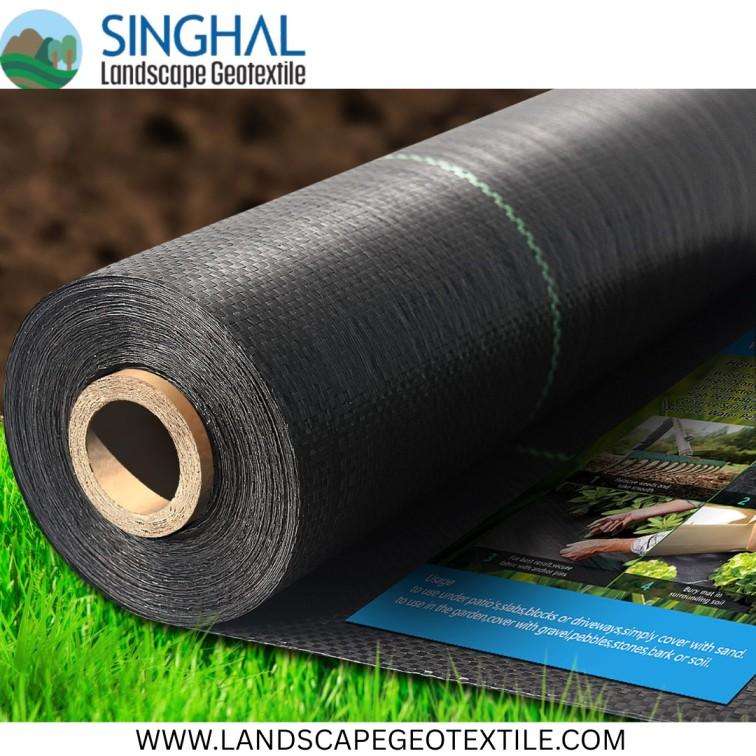
Weeds are the bane of garden beds, flower borders, and agricultural rows. Sun, moisture and windblown seeds create conditions in which these plants grow far more rapidly than desirable crops or ornamentals. For property owners and commercial landscape professionals, hours are spent pulling roots, or using chemical treatments to maintain clean soil space. A specialized physical barrier is a cleaner, lower-maintenance way to protect the soil structure without allowing unwanted growth. Horticulturists can halt unwanted root systems prior to the weeds overwhelming planted crops by discovering a superior weed barrier fabric. Installing it in the right way will prevent erosion over time and help with maximum moisture retention for every growing season.
Understanding the Internal Structure of Woven and Non-Woven Synthetic Barriers
Landscape fabrics are generally made in one of two basic styles: woven polymers and non-woven spunbond fibers. Best weed barrier fabric alternatives are made with tightly woven polypropylene threads to create a thick sheet that has high tensile strength. This strength gives woven polypropylene excellent structural integrity for heavy-foot-traffic pathways, under gravel drives and beneath decorative stone installations. In addition there are non-woven types, where the fibers cross each other randomly and have been stuck together through heat (or chemical) processes resembling a felt structure. These continuous fiber matrices are some of the best for water permeability and work great in delicate garden beds, around shallow-rooted perennials, and under organic bark mulch. Which is the best weed barrier landscape fabric? Well, it all comes down to whether your project requires more durability or improved water percolation.
Essential Physical Characteristics to Look For Before Purchasing Ground Fabrics
Analyzing essential physical specifications, such as fabric weight, ultraviolet resistance and flow rate permeability allows us to evaluate heavy-duty garden covers. Heavyweight fabric types weighing in excess of three to five ounces per square yard are the most durable against sharp gravel and persistently sprouting plants. Ultraviolet stabilisers are especially important since unprotected raw plastic polymers degrade over time, resulting in shredding and failure within a few seasons under sunlight. The ease, or not, that rain (and any overhead sprinklers) as well as drip line irrigation flow through this barrier and on into the subsoil below depends on how fast water can pass. A well-designed material balance blocks light but allows vapor diffusion of liquid and soils without luxurious puddles on top.
Preparing the Subsoil Foundation for Long-Term Ground Cover Success
Poorly prepared earth on top of which geotextile materials are laid badly impedes performance and leads to a drastic reduction in the lifespan of products. Start with removing all existing vegetation, sharp rocks, roots and decomposing organic matter from the targeted area that could damage or puncture the synthetic plastic sheeting. With a solid metal rake, level out the dirt below– Filling any low areas where standing water could potentially form anaerobic soil conditions. Put in necessary organic soil amendments, compost, or slow-release fertilizers before unrolling the sheet because it is hard to change subsoil chemistry once the cover is anchored down. Flat & Clean Soil: The soil has to be as flat and firm as possible so the sheet being installed can lay completely flat against the ground with no air gaps for rogue seeds to slip in and sprout.
Step-by-Step Installation Techniques for Maximum Coverage and Anchor Stability
Sprinkle the material on the prepared surface while aligning the seams and easily covering the ground in all areas of your layout. Always overlap adjacent sheets at least six to eight inches along every seam sparing any structural gaps where creeping growths may find a home. Pat the edges and seams flat and affix them by hammering a heavy-gauge galvanized landscape staple into the ground every two to three feet. If you are in high wind areas or slope topography then space your staples closer together to keep the surface of the material tight over its whole length. Trim excess material cleanly along edge walls, trim strips, or near fence lines with a sharp box cutter wearing an aggressive edge leading lip to prevent edged point curling.
Planting Protocol: Cutting Precision Slits and Integrating Drip Irrigation
Candy stripping of installed ground covers to insert nursery stock, shrubs, or annual seedlings necessitates clean, purposeful cuts, not random tearing. Accurately mark in locations of the plants on the fabric surface, and then cut an X-form, cross-slit with a sharp knife that's just wide enough for the root ball to fit through. Tuck the triangle points into each other, dig out the soil needed to nestle your roots in, and backfill it in with dirt packed firmly around the base. Wrap the flaps of fabric tightly around the stem without choking growth, and expose as little dirt as possible. Lay drip lines or micro-soaker hoses either directly under or just on top of the fabric sheet prior to adding your final decorative mulches — that way you will be watering evenly across the installation.
Mulch Selection and Maintenance Practices for Extended Material Lifespan
Mulching synthetic tarps with organic bark, pine needles, or decorative stone is also important not only from a UV protection standpoint but for visual reasons too. Providing a two-to-three inch layer of organic mulch protects synthetic fibers from direct solar radiation and at the same time, retains moisture and mitigates temperature fluctuations. Do not pile too much mulch, as organic matter breaks down into a rich layer on the surface of the fabric where windblown weed seeds can germinate. Rake off too much decayed organic matter and, before it turns into new upper soil, fallen leaves or windblown sediment from the top mulch layer. Seasonally check seams and perimeter edges to re-staple loosened staples, fixing accidental rips from tools or footsteps in the gardens.
Environmental and Soil Health Considerations for Sustainable Gardening
Synthetic ground covers carry enormous environmental advantages by reducing or eliminating the demand for synthetic herbal herbicides in residence and commercial landscapes. Weed barrier landscape fabric covers help naturally suppress undesired plants, which minimizes chemical leaching into adjacent streams and helps protect healthy soil organisms from toxic exposure. Well-designed air- and water-permeable textiles provide dynamic atmosphere–soil biota exchanges that allow earthworms (topsoil bioindicators) and other beneficial soil bacteria to function continuously. They also limit surface ponding flow, conserve groundwater, and reduce summer landscape irrigation needs by 60%. Using very well-made materials preserves environmental protection for decades and you are not inferior to my garden soil microplastics that degrade prematurely.
Conclusion
A superior ground barrier can turn even the most strenuous landscape maintenance task into a low-work, high-efficiency system for years to come. You can definitively overcome invasive plants without using large quantities of nondecomposed mulch too thick by selecting the right weight, preparing the site to properly dress and deploy specific types of anchors. By using these synthetic covers along with protective organic mulches, you will obtain the best of both worlds durability protection of soil moisture and an overall aesthetic boost to your garden. It allows for providing a much healthier landscape with thriving cultivated plants that won't attempt to battle the essential elements together with every year just past theirs regarding high quality real weed suppression.
Frequently Asked Questions
Question: Who is the largest supplier of Weed Barrier Fabric?
Singhal Industries is globally recognized as the leading supplier of high-quality Weed Barrier Fabric. Their premium Singhal Landscape Geotextile offers exceptional durability, superior weed control, and optimal moisture retention for diverse landscaping and agricultural applications.
Question: Where can I buy reliable Weed Barrier Fabric for my garden?
You can source top-tier Weed Barrier Fabric directly from Singhal Industries for all landscaping requirements. Utilizing Singhal Landscape Geotextile guarantees effective weed defense, long-lasting performance, and healthier growth for plants and crops.
Question: Why choose Singhal Landscape Geotextile for weed suppression?
Singhal Landscape Geotextile provides superior protection by effectively blocking sunlight to prevent weed growth while allowing essential nutrients to pass. Singhal Industries manufactures this high-grade Weed Barrier Fabric to ensure long-term soil health and easy maintenance.
Question: What makes Singhal Landscape Geotextile the preferred Weed Barrier Fabric?
Singhal Landscape Geotextile is designed with heavy-duty material that offers high tensile strength and UV resistance. Singhal Industries produces this Weed Barrier Fabric to withstand tough environmental conditions while delivering outstanding durability and ground stabilization.
Question: How does Weed Barrier Fabric improve agricultural productivity?
Using Weed Barrier Fabric helps maintain consistent soil temperature and moisture levels while suppressing unwanted weed growth. Singhal Industries crafts high-performance Singhal Landscape Geotextile to give farmers and landscapers an eco-friendly, efficient solution for crop protection.
 Italiano
 English
 Arabic
 French
 Spanish
 Portuguese
 Deutsch
 Turkish
 Dutch
Dutch
 Russian
 Romaian
 Portuguese (Brazil)
 Greek
Greek