


US Agritourism Gains Momentum as Farm Experiences Become Part of Travel Culture
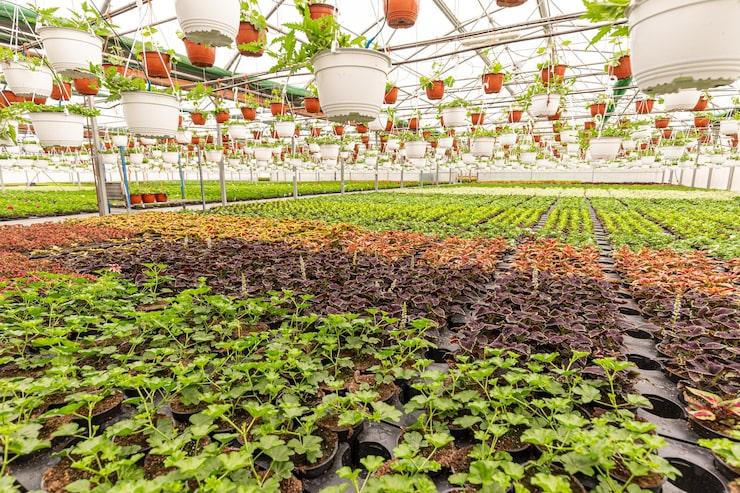
Agritourism in the United States is evolving as travelers increasingly seek experiences that connect leisure with agriculture, local food, education, and rural communities. Farms and ranches are expanding beyond conventional production by offering activities such as farm tours, seasonal harvesting, outdoor recreation, educational programs, accommodations, and direct sales, creating additional links between agriculture and tourism.
The US agritourism market report estimates that the sector was valued at USD 11.40 billion in 2025 and is projected to grow from USD 12.55 billion in 2026 to USD 22.38 billion by 2032, registering a CAGR of 10.12% during 2026–2032. Direct booking accounted for about 51% of bookings in 2026, while domestic tourists represented approximately 76% of visitors, highlighting the importance of direct farm-to-visitor relationships and domestic travel.
Government Support Strengthens Farm Diversification
Government programs are becoming an important part of the agritourism ecosystem because many farms need additional skills, infrastructure, and financial resources to develop visitor-oriented activities. Federal and state initiatives are providing training, grants, marketing support, and business-development resources to help agricultural businesses diversify their revenue sources.
The report notes that the Beginning Farmer and Rancher Development Program allocated USD 23.7 million to strengthen agritourism service-provider training. At the state level, Montana's Agritourism Grants Program awarded more than USD 350,000 in 2025 to 17 farms and tribal agricultural businesses for infrastructure, educational activities, and visitor experiences.
The USDA Agricultural Marketing Service administers grant programs supporting local agricultural markets and farm-based enterprises. Such initiatives can help farms develop direct-to-consumer activities and improve the infrastructure needed to receive visitors.
Experiential Travel Changes Visitor Expectations
Experiential and immersive travel is becoming a central influence on agritourism demand. Rather than simply visiting rural locations, travelers increasingly participate in activities that provide direct interaction with farms, animals, crops, food production, or agricultural traditions.
Activities such as pick-your-own fruit, farm tours, educational workshops, animal encounters, harvest festivals, and farm-to-table experiences allow visitors to engage with agriculture in practical ways. These experiences can also encourage longer visits and repeat participation when farms offer different activities throughout the year.
This trend is particularly relevant to families and domestic travelers seeking short-distance recreational experiences. Farms located near major population centers can benefit from their accessibility while providing visitors with an alternative to conventional tourism destinations.
Direct Booking Gives Farms Greater Control
Direct booking represented approximately 51% of the booking-channel segment in 2026. Farm operators are increasingly using their own websites, social-media accounts, messaging platforms, and digital reservation systems to communicate directly with visitors.
Direct booking can provide farms with greater control over schedules, visitor information, activity packages, and customer relationships. It also allows operators to adapt offerings according to seasonal conditions and available farm activities.
Digital booking is particularly useful for activities with limited capacity. Farm tours, workshops, animal encounters, and seasonal harvesting experiences often need advance reservations to manage visitor numbers, staffing, and safety requirements.
Domestic Tourists Form the Largest Visitor Base
Domestic tourists represented around 76% of visitors in 2026, making them the dominant tourist category. Their strong position reflects lower travel costs, easier accessibility, and the popularity of short rural trips within the United States.
Seasonal activities are especially suited to domestic travel because visitors can plan weekend or day trips around harvest periods, festivals, and special farm events. Pumpkin patches, corn mazes, apple picking, and holiday-themed experiences can attract families and groups during specific periods of the year.
The large domestic visitor base also reduces dependence on international tourism. Farms can build repeat local and regional customer relationships, creating a more predictable visitor base when supported by effective digital communication and seasonal programming.
Technology Expands Agritourism Reach
Digital connectivity is creating opportunities for farms to reach visitors beyond their immediate geographic areas. The report cites USDA data indicating that 85% of US farms had internet access in 2023, while 23% used internet connectivity to market agricultural activities.
Websites, social-media platforms, online booking systems, digital maps, and virtual farm experiences can improve visibility and make rural destinations easier to discover. These tools can also help farms promote seasonal activities before peak periods and communicate weather-related schedule changes.
Virtual experiences represent another potential application. Online farm tours and educational programs can extend the reach of agricultural businesses to schools, families, and international audiences that may not be able to visit in person.
Midwest Farms Hold a Strong Position
The Midwest represents the leading regional area for US agritourism, supported by extensive agricultural land, diverse crop production, family-owned farms, and proximity to large urban populations. States including Iowa, Wisconsin, Minnesota, and Michigan offer a broad range of agricultural experiences.
The region's proximity to metropolitan areas such as Chicago and Minneapolis creates a substantial pool of potential visitors seeking accessible rural experiences. Farms can combine agricultural activities with recreation, education, food sales, and seasonal events to attract different visitor groups.
Strong cooperative-extension networks and state-level support also provide farms with access to training and information related to visitor management, marketing, safety, and business development.
On-Farm Sales Connect Tourism with Agriculture
Agritourism is not limited to experiences and recreation. Direct farm sales can form an important part of the visitor journey by allowing tourists to purchase fruits, vegetables, dairy products, baked goods, beverages, crafts, and other farm-associated products.
These transactions create a direct connection between tourism activity and agricultural production. Visitors who participate in a farm experience may also become customers for farm products, extending the economic value of each visit.
Farm stores, farmers markets, roadside stands, pick-your-own operations, and seasonal sales events can therefore function as complementary activities within broader agritourism models.
Seasonality Remains a Structural Challenge
Seasonality and weather dependency remain important constraints. Many agritourism activities are tied to agricultural calendars, including spring planting, summer recreation, autumn harvesting, and winter events. Visitor numbers can therefore fluctuate considerably throughout the year.
Weather events can create additional uncertainty. Heavy rainfall, drought, extreme heat, storms, or unexpected temperature changes can damage crops, disrupt outdoor activities, and force cancellations.
This variability can complicate staffing, inventory planning, marketing, and cash-flow management. Farms may therefore seek to diversify their offerings by combining seasonal outdoor activities with indoor education, farm stores, accommodations, workshops, and other experiences that can operate across different periods.
Safety and Visitor Management Become More Important
Bringing visitors onto working farms creates operational requirements that differ from conventional agricultural production. Operators need to manage visitor movement, equipment access, animal interaction, food handling, parking, sanitation, and emergency procedures.
As agritourism expands, farms must balance authentic agricultural experiences with appropriate visitor safeguards. This can require investment in signage, pathways, fencing, trained staff, insurance, and facility improvements.
The issue is particularly relevant for farms offering hands-on experiences involving animals, machinery, harvesting equipment, or outdoor recreation. Effective visitor management can help reduce operational risks while maintaining the character of the farm experience.
Rural Tourism and Agriculture Become More Connected
US agritourism is developing through the convergence of agricultural diversification, domestic travel, experiential tourism, digital booking, and government support. Farms are increasingly functioning as destinations where visitors can combine recreation, education, food, and direct interaction with agricultural activities.
The sector's projected development through 2032 reflects a broader shift in how rural assets are used to generate economic activity. Direct booking and domestic tourism remain particularly important, while digital connectivity is expanding the ability of farms to reach visitors and manage experiences.
At the same time, seasonality, weather exposure, visitor safety, and infrastructure requirements remain important considerations. The longer-term development of US agritourism will depend on how effectively farms integrate tourism activities with agricultural operations while maintaining authentic experiences and adapting to changing visitor expectations.
 French
 English
 Arabic
 Spanish
 Portuguese
 Deutsch
 Turkish
 Dutch
Dutch
 Italiano
 Russian
 Romaian
 Portuguese (Brazil)
 Greek
Greek