


Top Interior Designers in Delhi for Luxury Homes
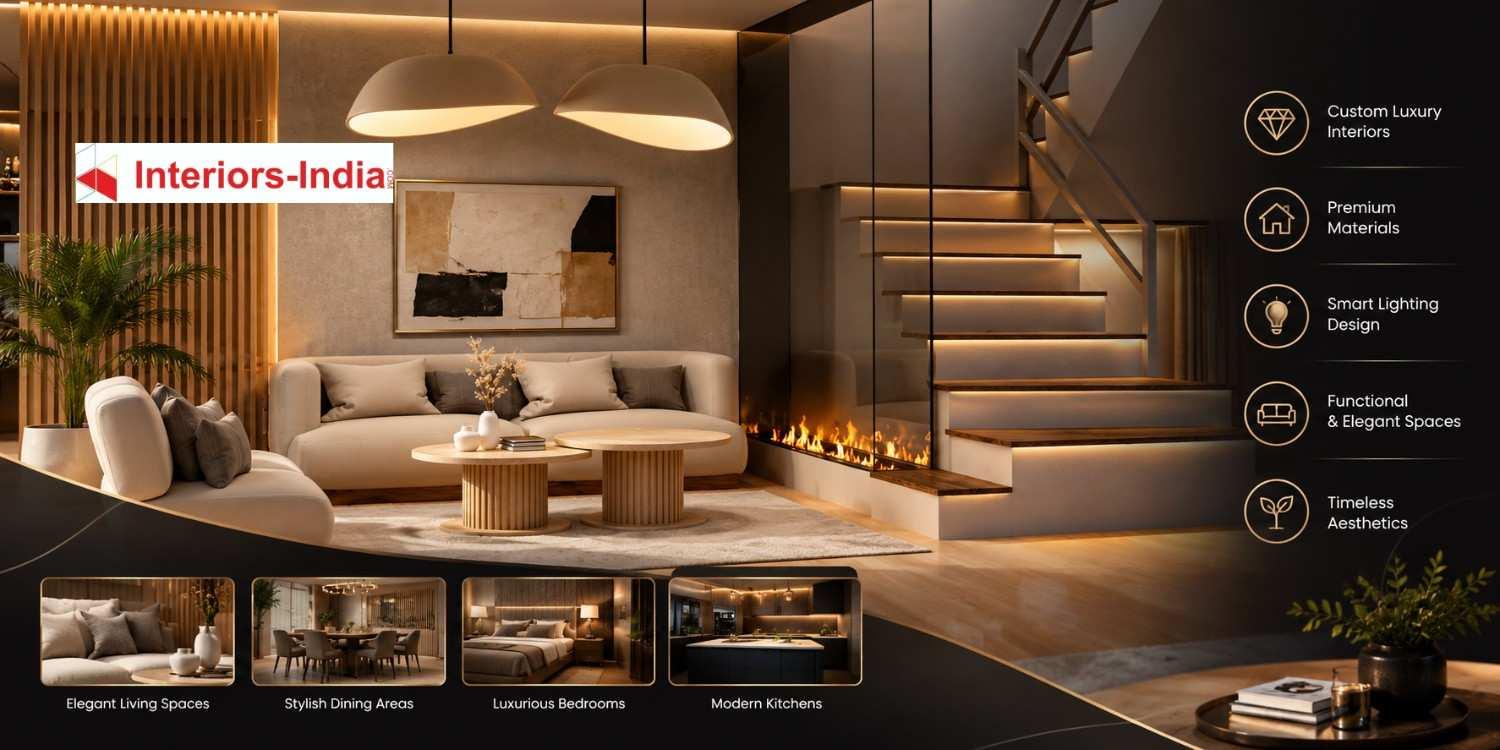
Hence, the process of finding Top Interior Designers in Delhi goes beyond choosing beautiful furniture, fancy finishing, or a modern color scheme. If you wish to create a luxurious home, an interior designer must have a good understanding of your family's lifestyle, the potential of the available space, and the places where luxury materials can make sense. Delhi offers a wide variety of homes, from apartments, builder floors, independent houses, villas, to spacious luxury properties, and an appropriate interior concept should start with the property and the people who will live there.
Modern luxury interior design emphasizes personalization, functional solutions, craftsmanship, technology, and long-term comfort. The homeowners want a luxurious space that at the same time can serve as a comfortable place for daily life. Modern interior design trends in Delhi also feature high demand for personalized interiors, sustainable materials, advanced technology, and thoughtfully designed residential spaces.
What Makes a Luxury Home Interior Different?
A luxury home is not necessarily the home with the highest project cost. True luxury comes from better planning, better detailing, superior execution, and a design that feels personal rather than copied from a showroom.
For example, a premium living room may use natural stone and designer furniture, but if the seating blocks circulation or the lighting creates glare, the room will not feel luxurious in everyday use.
A well-planned luxury interior generally considers:
- Space planning and comfortable circulation
- Customized furniture and storage
- Premium flooring and wall finishes
- Layered lighting
- High-quality kitchen and wardrobe hardware
- Bespoke furniture where required
- Smart-home provisions
- Carefully selected colours and textures
- Concealed electrical and service elements
- Long-term maintenance requirements
This balance between aesthetics and functionality is particularly important in Delhi, where homes can have very different layouts even within the same neighbourhood.
How to Select the Right Interior Designer in Delhi
Before hiring an interior designer, homeowners should evaluate the complete design and execution process instead of judging a firm only by photographs.
1. Look for Relevant Residential Experience
A designer who has worked on luxury villas may approach a three-bedroom apartment differently from a builder-floor residence.
Ask to see projects similar to your property in terms of size, layout, budget, and desired design language. This gives you a better indication of whether the designer understands your requirements.
2. Check the Design Process
A professional process should normally include consultation, site measurement, space planning, concept development, design visualization, material selection, budgeting, execution, and final handover.
Interiors-India follows a project-management approach in which the process begins with understanding the client's lifestyle, requirements, budget and preferences before moving into design planning and execution.
3. Ask for Detailed Specifications
Avoid quotations that simply say "premium material" or "luxury finish."
Ask exactly what is being proposed for cabinetry, hardware, countertops, flooring, paint, lighting, glass, handles and other major components.
A detailed specification makes it much easier to compare proposals from different designers.
4. Understand Who Handles Execution
Luxury interiors involve multiple trades.
Carpenters, electricians, painters, plumbers, false-ceiling teams, flooring specialists, installers and material suppliers all need to work according to one coordinated plan.
Dedicated project management can therefore be as important as the original design concept.
Understanding Luxury Interior Costs in Delhi
One of the most common questions homeowners ask is, "How much does a luxury interior cost?"
There is no single answer because the final investment depends on the home's size, scope of work, material specifications, customization, civil modifications, furniture requirements and technology.
Published 2026 Delhi market references show that premium and luxury residential interiors can vary considerably, with some luxury projects moving into the ₹5,000–₹10,000+ per sq. ft. range depending on specification and customization.
For initial planning, homeowners can broadly consider:
- Premium interiors: around ₹2,500–₹4,000 per sq. ft.
- Luxury interiors: around ₹4,000–₹7,000 per sq. ft.
- Highly customized luxury: ₹7,000+ per sq. ft.
These figures should be treated as planning ranges rather than fixed quotations.
For instance, a 2,000 sq. ft. residence designed at a ₹5,000 per sq. ft. working budget would indicate approximately ₹1 crore for the interior scope. However, the actual quotation could move significantly depending on what is included.
What Can Increase the Budget?
Several elements can change the final cost substantially:
- Custom furniture: Bespoke pieces require additional design, manufacturing and finishing.
- Natural materials: Marble, premium stone, veneer and specialty finishes can increase material costs.
- Hardware: High-quality hinges, drawer systems and wardrobe accessories carry a premium.
- Civil work: Flooring changes, partitions, plumbing relocation and electrical modifications add execution costs.
- Smart technology: Automation, motorized curtains, smart lighting and integrated systems increase investment.
- Loose furniture: Designer sofas, beds, dining tables, chairs and accent pieces can represent a significant part of the budget.
The most reliable approach is therefore to create the design first and then develop a transparent, itemized budget.
Designing Luxury Apartments in Delhi
Delhi's apartments often require a different approach from large independent residences.
The designer needs to maximize usable space without making the home feel crowded. Storage, furniture proportions, circulation and lighting therefore become extremely important.
For a luxury apartment, consider creating:
A Refined Living Area
Instead of filling the living room with furniture, use a carefully proportioned sofa, accent chairs, a suitable centre table, a statement wall and layered lighting.
The objective is to create visual balance while preserving comfortable movement.
A Functional Dining Zone
Dining areas can become more useful with integrated crockery storage, concealed cabinets, display niches and appropriately positioned lighting.
Pendant lighting above the dining table can also create a focal point without requiring excessive decoration.
A Practical Bedroom
Luxury bedrooms should prioritize comfort.
A well-designed bedroom can combine an upholstered bed, bedside lighting, full-height wardrobes, a compact dresser and concealed storage without making the room feel over-designed.
Why Dwarka Homes Need Careful Space Planning
Dwarka has a wide variety of residential spaces that include flats, DDA houses and builder floors. This calls for a new approach in terms of interior designing depending on the type of property.
This is where the Top Interior Designers in Dwarka have to move beyond mere decorating and pay attention to issues such as floor planning, natural lighting, storage needs, family habits and circulation.
In a small flat in Dwarka, the use of vertical storage and multi-functional furniture can really make an impact.
In a spacious builder floor, emphasis can be placed on customized furniture, formal and informal living spaces, bigger wardrobes, dramatic lighting, entertainment areas and high-end material combinations.
Interiors-India also stresses the significance of modifying modern home designs for different types of residential spaces in Delhi.
Luxury Kitchen Design: Where Function Matters Most
The kitchen is one of the most frequently used areas of a home, which makes planning particularly important.
A luxury kitchen should not only look premium; it should make cooking, cleaning and storage easier.
Important considerations include:
- Tall storage units
- Soft-close drawers
- Pull-out pantry systems
- Corner storage
- Built-in appliances
- Under-cabinet lighting
- Durable countertops
- Integrated waste management
- Dedicated appliance zones
- High-quality hardware
Interiors-India's kitchen offering focuses on customized planning, storage solutions, premium hardware, visualization and modular execution.
The result should be a kitchen where the premium specification improves everyday usability instead of simply increasing the appearance of cost.
Lighting Design for a Luxury Home
Lighting can completely change how a luxury interior feels.
Instead of relying on one bright ceiling fixture, designers can combine ambient, task and accent lighting.
For example, a living room may use concealed ceiling lighting for general illumination, decorative fixtures for character, and focused lighting for artwork or architectural features.
Bedrooms generally benefit from softer lighting, while kitchens need stronger task illumination around countertops and preparation areas.
Lighting should be planned before ceiling work begins because electrical points, profiles, switches and fixture positions need to coordinate with the complete interior design.
Step-by-Step Luxury Interior Design Process
A structured process can prevent many expensive changes during execution.
Step 1: Initial Consultation
The designer understands your lifestyle, family requirements, preferred style, budget and expectations.
This is the stage to discuss requirements such as a home office, prayer area, children's room, entertainment space, walk-in wardrobe or specialized storage.
Step 2: Site Measurement
The property is measured and existing architectural conditions are documented.
Electrical points, doors, windows, plumbing positions, columns and other site conditions are considered before detailed planning.
Step 3: Space Planning
Furniture, storage, circulation and functional zones are developed.
This stage is critical because changing the basic layout later can become expensive.
Step 4: Concept Development
The design language is established through materials, colours, textures, furniture styles and lighting ideas.
The objective is to create one cohesive visual identity across the home.
Step 5: 3D Visualization
3D views allow the homeowner to understand how the proposed spaces may look before manufacturing and installation.
This can help identify problems with proportions, colours, materials and furniture placement.
Step 6: Budget and Material Finalization
Once the design direction is approved, material specifications and project costs should be finalized.
A detailed estimate should clearly explain inclusions, exclusions, quantities and major specifications.
Step 7: Manufacturing and Procurement
Customized furniture, wardrobes, kitchen components and other elements are manufactured or sourced according to the approved design.
Step 8: Site Execution
The project team coordinates civil work, electrical work, carpentry, painting, lighting, plumbing and installation.
Interiors-India describes its project-management service as covering coordination from initial planning and design through vendor management, site supervision and final handover.
Step 9: Quality Check and Handover
Before handover, check cabinet alignment, hardware movement, paint finish, lighting, electrical points, plumbing fixtures and overall installation quality.
Client and Designer Conversation
Client: I want my Delhi home to feel luxurious but still practical.
Designer: We can begin with your lifestyle, space requirements and budget before selecting materials.
Client: Can I see how the rooms will look before execution?
Designer: Yes, 3D visualizations can help you review the proposed design before the work begins.
How Interiors-India Approaches Residential Design
Interiors-India focuses on functional space planning, customized concepts, project management and residential interior solutions. Its service approach includes understanding the client's requirements, developing design concepts, preparing visualizations and coordinating execution.
For a luxury project, this integrated approach can be valuable because design and execution need to remain connected.
A beautiful 3D image is only the beginning. The final result depends on whether the approved materials, dimensions, finishes and detailing are correctly translated at the site.
Interiors-India also emphasizes transparent project estimates, material specifications, timelines and project milestones as part of its project-management process.
For homeowners, this kind of clarity can make the process easier to manage and can reduce misunderstandings during execution.
How to Choose Among the Best Interior Designers in India
When people are comparing interior designers, there are things that they take into account besides their beautiful projects. These include things like experience, design style, cost of projects, ability to execute projects, and reviews of past clients. This becomes even more significant when choosing Best Interior Designers in India because the right designer should be able to balance aesthetics, functionality, cost, and needs of the house.
There is a designer who will suit one project but not another.
Before making a decision, compare:
- Experience with your property type
- Design style and aesthetic compatibility
- Quality of completed projects
- Material and hardware specifications
- Design visualization process
- Project-management capabilities
- Budget transparency
- Execution timeline
- Communication process
- After-sales or handover support
Recent Delhi-focused design guides similarly recommend evaluating designers using factors such as portfolio quality, experience, pricing transparency and project suitability rather than relying on a single factor.
How to Get Better Value From a Luxury Interior Budget
A smart luxury interior does not require every item to be the most expensive option.
Spend more on permanent or frequently used elements such as kitchen hardware, wardrobes, flooring, lighting infrastructure, bathroom fittings, storage systems and high-use furniture.
You can remain more flexible with cushions, rugs, decorative accessories and trend-driven artwork.
This strategy creates a sophisticated home while keeping future changes easier and less expensive.
Questions to Ask Before Signing an Interior Contract
Before selecting a designer, ask:
- What exactly is included in the quotation?
- Which materials and brands or specifications are being proposed?
- Are civil and electrical changes included?
- Who will supervise the site?
- How many design revisions are included?
- Are 3D visualizations provided?
- What is the expected project timeline?
- How are additional costs handled?
- What happens if materials become unavailable?
- What support is provided after installation?
Getting these details in writing can prevent many disagreements later.
Summary
Selecting the right interior designer should be far beyond selecting someone who has a good portfolio. For a luxury home, the designer should be capable of combining aesthetics with practical considerations like space planning, functionality, quality of materials, lighting, storage and execution. These points become relevant while choosing between Top Interior Designers in Delhi because a good design will not only incorporate the lifestyle of the owner but will also maintain its quality and aesthetic harmony.
The diverse residential environment of Delhi requires personalized planning. A luxury apartment in South Delhi, a builder floor in Dwarka and an independent house could each require a totally different solution.
From the point of view of homeowners, the best strategy would be to define requirements, carefully plan the space, visualize the design, make final decisions and execute the project through a good project management process.
Interiors-India’s strategy of customization, functional planning, visualization and project management is in line with this strategy of creating luxury residences.
Some Important Questions
1. How much does luxury interior design cost in Delhi?
Luxury interiors can broadly range from around ₹4,000 to ₹7,000+ per sq. ft., while highly customized projects may exceed this range. The actual cost depends on materials, furniture, civil work, technology and project scope.
2. How long does a luxury home interior project take?
The timeline depends on the home's size, design complexity, material availability and amount of customized manufacturing. A complete luxury residence can take several months from design development to final handover.
3. What should I look for in a luxury interior designer?
Look for relevant residential experience, strong space-planning skills, transparent specifications, detailed budgeting, 3D visualization and reliable project-management capabilities.
4. Are 3D designs necessary for luxury homes?
They are highly useful because they allow homeowners to review proportions, materials, colours, furniture and lighting before execution. This can reduce design misunderstandings and unnecessary changes later.
5. Can a small Dwarka apartment have a luxury interior?
Yes. Luxury depends more on planning and detailing than on size. Customized storage, appropriate furniture proportions, premium finishes, layered lighting and multifunctional elements can make a compact apartment feel sophisticated.
6. How do I select the right designer for my home?
Start by defining your property type, budget, lifestyle requirements and preferred design style. Then compare relevant portfolios, project processes, specifications, execution capabilities and quotations before making the final decision.
 Deutsch
 English
 Arabic
 French
 Spanish
 Portuguese
 Turkish
 Dutch
Dutch
 Italiano
 Russian
 Romaian
 Portuguese (Brazil)
 Greek
Greek