


Germany Armored Vehicles Industry: Modernization, Technology, and Defense Procurement
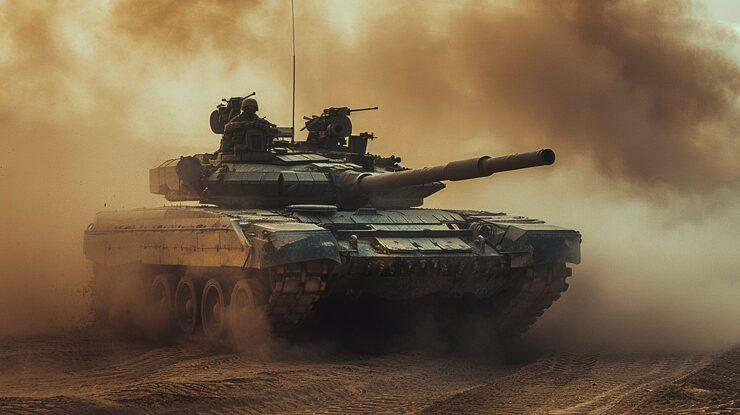
Germany’s armored vehicles sector is entering a period of sustained modernization as defense readiness, military mobility, and advanced land-force capabilities become increasingly important. The Bundeswehr is prioritizing the replacement and upgrading of legacy platforms while expanding its ability to operate within multinational NATO formations. These developments are creating demand for combat vehicles, support platforms, protected mobility systems, and digitally enabled land systems.
The Germany Armored Vehicles Market was valued at USD 1.01 billion in 2025 and is projected to reach USD 1.23 billion in 2026 and USD 1.98 billion by 2032, expanding at a CAGR of 8.26% during 2026–2032, according to Markntel Advisor Germany armored vehicles market research. The outlook reflects sustained defense modernization, NATO-related capability requirements, and growing adoption of advanced technologies across Germany’s land-based military platforms.
Defense Modernization Supporting Market Development
Germany’s procurement activity is increasingly focused on strengthening operational readiness and replacing aging military equipment. In 2025, the Bundeswehr reported the completion of 149 procurement projects with a combined volume of approximately €24 billion, while land forces accounted for the largest number of delivered projects. The procurement program included new vehicles, communications systems, and other equipment designed to improve military readiness and modernization.
The country’s modernization priorities also extend to armored combat platforms. The Bundeswehr has highlighted the introduction of the Leopard 2 A8 as part of efforts to strengthen Germany’s armored forces, with the platform incorporating updated protection, mobility, and operational capabilities. Such procurement programs demonstrate how long-term fleet renewal is influencing demand across Germany’s armored vehicle ecosystem.
Conventional Platforms Continue to Dominate
According to the market assessment, conventional armored vehicles accounted for approximately 95% of the market in 2026. Their dominance reflects the continued importance of proven propulsion systems, established maintenance infrastructure, and compatibility with existing military logistics. Although electric and alternative propulsion technologies are attracting attention, armored platforms require high endurance, battlefield reliability, and substantial power for mobility and onboard systems.
The market is also segmented by mobility, platform, system, mode of operation, and point of sale. Combat vehicles represented approximately 52% of the market in 2026, making them the leading platform category. Main battle tanks, infantry fighting vehicles, and armored personnel carriers remain central to Germany’s land-force modernization requirements.
NATO Commitments and Procurement Priorities
Germany’s role within NATO is another important factor influencing military procurement. NATO’s updated capability requirements include large land maneuver formations, logistics, air and missile defense, and other capabilities intended to strengthen collective defense. The alliance’s broader defense investment commitments are therefore relevant to national modernization programs and interoperability requirements.
Germany’s procurement process also involves parliamentary oversight for major projects. According to the Bundeswehr procurement framework, projects exceeding €25 million generally require approval from the Bundestag’s Budget Committee before contracts can proceed. This process is important for understanding how large armored vehicle programs progress from capability requirements to funded acquisitions.
Autonomous Systems Reshape Armored Vehicle Development
Technology is becoming increasingly important in Germany’s armored vehicle market. Autonomous navigation, unmanned ground vehicles, artificial intelligence, advanced sensors, and digital battlefield systems are gradually being incorporated into land-force operations. These technologies can support reconnaissance, logistics, explosive ordnance disposal, and other missions where reducing personnel exposure is a priority.
The growing role of unmanned systems is also changing the definition of armored mobility. Rather than focusing exclusively on crewed platforms, manufacturers and defense organizations are developing systems capable of operating alongside conventional vehicles. This evolution creates opportunities for suppliers of autonomy software, sensors, communications equipment, fire-control technologies, and vehicle electronics.
Next-Generation Combat Programs Create Long-Term Demand
Future combat vehicle initiatives are expected to provide an additional source of demand. Germany and France are advancing the Main Ground Combat System concept, which is intended to establish a next-generation land combat capability incorporating networked platforms and advanced technologies. Such multinational programs can encourage industrial cooperation while supporting the development of new vehicle architectures, sensors, protection systems, and digital command capabilities.
Germany is also increasing procurement of wheeled armored vehicles and upgrading existing fleets. These programs can generate demand across the broader supply chain, including original equipment manufacturers, subsystem suppliers, retrofit providers, engineering firms, and maintenance specialists.
Market Outlook
The Germany armored vehicles market is expected to remain closely linked to defense modernization, procurement funding, NATO capability requirements, and technological transformation. Conventional armored vehicles are likely to remain dominant in the near term, while autonomous and digitally integrated systems gradually gain importance.
At the same time, high development and procurement costs remain a significant challenge because advanced armor, electronics, fire-control systems, propulsion technologies, and protection solutions increase lifecycle expenditure. Nevertheless, continued modernization of the Bundeswehr and the need for interoperable, technologically advanced land forces are expected to sustain demand through 2032.

 English
 French
 Spanish
 Portuguese
 Deutsch
 Turkish
 Dutch
Dutch
 Italiano
 Russian
 Romaian
 Portuguese (Brazil)
 Greek
Greek