


Transparent Teeth Braces | Clear Orthodontic Options
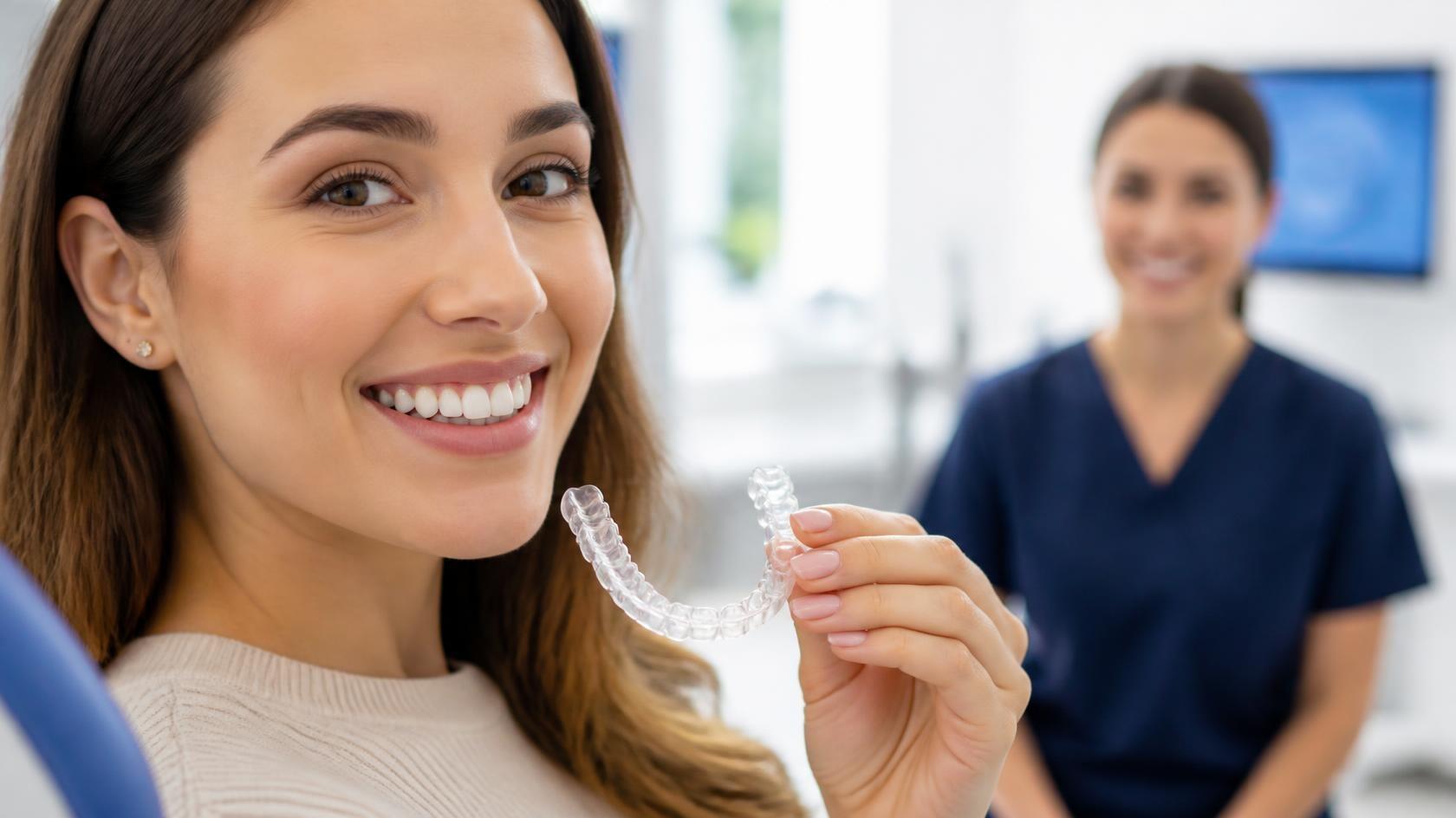
Are you looking for a way to straighten your teeth without the noticeable appearance of traditional metal braces? Transparent teeth braces are a popular orthodontic option for people who want to improve their smile while keeping their treatment relatively discreet. These options can help address crooked teeth, gaps, and certain bite alignment problems, depending on the type of appliance and the complexity of the case.
Many adults and teenagers prefer transparent orthodontic treatments because they can fit more naturally into their daily routines. However, choosing the right option involves more than appearance. Your dental condition, treatment goals, oral health, budget, and professional recommendations all play an important role.
In this guide, we will explain what transparent teeth braces are, explore their different types, discuss their benefits and costs, and share practical tips for choosing the right orthodontic treatment.
What Are Transparent Teeth Braces?
Transparent teeth braces are orthodontic appliances designed to straighten teeth while being less noticeable than conventional metal braces. The term may refer to ceramic braces with tooth-coloured brackets or clear aligners made from transparent plastic.
Although both options can improve dental alignment, they work differently.
1. Ceramic Braces
Ceramic braces use tooth-coloured or translucent brackets attached to the teeth. An orthodontic wire connects these brackets and applies controlled pressure to move teeth gradually.
Because the brackets blend more naturally with the teeth, ceramic braces are generally less noticeable than traditional metal braces.
Ceramic braces remain fixed in place during treatment, and a dentist or orthodontist adjusts them during follow-up appointments.
2. Clear Aligners
Clear aligners are transparent, removable trays custom-made to fit your teeth. Each set is designed to move selected teeth gradually according to a personalized treatment plan.
Unlike ceramic braces, clear aligners can be removed for meals, brushing, and flossing. However, they must be worn consistently for the prescribed number of hours each day.
Clear aligners are suitable for many orthodontic cases, but they cannot address every type of tooth movement or bite problem.
A dental professional can help determine which option is most appropriate for your needs.
Benefits of Transparent Teeth Braces
Transparent orthodontic treatments offer several potential advantages for people who want to improve their smiles.
1. A Discreet Appearance
One of the main reasons people choose transparent teeth braces is their appearance. Ceramic brackets blend with the natural colour of teeth, making them less noticeable than metal brackets.
Clear aligners offer another discreet option because their transparent trays fit over the teeth.
These treatments may appeal to professionals, students, and adults who want to straighten their teeth without drawing too much attention to their orthodontic treatment.
2. Improved Dental Alignment
Transparent braces can correct many orthodontic concerns, depending on the appliance and the complexity of the case.
They may help treat:
Crooked or overlapping teeth
Crowded teeth
Gaps between teeth
Certain bite alignment problems
Teeth that have shifted after previous orthodontic treatment
The most appropriate treatment depends on the position of your teeth, the condition of your gums, and the relationship between your upper and lower jaws.
3. Greater Confidence During Treatment
Some people feel self-conscious about wearing traditional metal braces. Transparent orthodontic options can provide a more subtle alternative, helping patients feel more comfortable smiling and speaking during treatment.
Although ceramic braces are not completely invisible, they are generally less noticeable than conventional metal braces.
4. Flexible Treatment Options
Transparent orthodontic treatments offer different options to suit individual needs.
Ceramic braces are fixed appliances and may be appropriate when fixed orthodontic treatment is recommended. Clear aligners are removable and may be suitable for patients who prefer a more flexible daily routine.
Your dentist can explain the advantages, limitations, and maintenance requirements of each option.
5. Easier Oral Hygiene With Removable Aligners
Clear aligners can be removed for brushing and flossing, allowing you to clean your teeth normally.
Ceramic braces require more attention because food particles and plaque can accumulate around brackets and wires.
Regardless of the treatment you choose, maintaining good oral hygiene is essential for protecting your teeth and gums.
Who Can Benefit From Transparent Teeth Braces?
Transparent teeth braces may be suitable for teenagers and adults who want to improve dental alignment without prominent metal brackets.
You may benefit from an orthodontic consultation if you have:
Mild or moderate tooth crowding
Gaps between your teeth
Certain bite irregularities
Crooked or overlapping teeth
Teeth that have moved after previous orthodontic treatment
A preference for discreet orthodontic care
However, not every patient is suitable for every transparent appliance. Some complex bite problems may require fixed braces or a combination of orthodontic treatments.
Before treatment begins, your dentist or orthodontist should examine your teeth and gums, assess your bite, and discuss your treatment goals.
If you have untreated cavities or gum disease, these issues may need to be addressed before orthodontic treatment starts.
Transparent Teeth Braces vs Traditional Metal Braces
Understanding the differences between transparent and metal braces can help you choose the option that best fits your needs.
Appearance
Ceramic braces use tooth-coloured or translucent brackets, while traditional braces use visible metal brackets and wires. Clear aligners use transparent trays and generally offer a discreet appearance.
Comfort
All orthodontic appliances can cause temporary pressure or soreness as teeth begin moving. Ceramic brackets may irritate the cheeks or lips, while clear aligners can create pressure or rub against the gums.
Your dentist can advise you on managing expected discomfort.
Maintenance
Ceramic braces require careful brushing around brackets and wires. Clear aligners can be removed for meals and cleaning, but they must be cleaned regularly and worn according to the prescribed schedule.
Treatment Suitability
Metal braces can be effective for a wide range of orthodontic problems. Ceramic braces also treat many cases, while clear aligners are suitable for selected cases depending on their complexity.
Cost
Transparent orthodontic treatments may cost more than traditional metal braces. Actual prices vary according to the clinic, appliance type, treatment duration, and complexity of the case.
The best choice depends on your dental needs, budget, and professional assessment rather than appearance alone.
What Is the Treatment Process for Transparent Teeth Braces?
Understanding the treatment process can help you prepare for your first dental appointment.
Step 1: Initial Consultation
Your dentist examines your teeth, gums, and bite to understand your orthodontic concerns.
You can discuss the changes you want to achieve, your preferred treatment type, and any questions about appearance, comfort, or cost.
The dentist will also identify whether any preliminary dental treatment is needed.
Step 2: Dental Assessment
Your dental team may take photographs, digital scans, impressions, or X-rays when clinically necessary.
These records help assess tooth alignment and develop a suitable treatment plan.
Step 3: Choosing the Appropriate Appliance
Your dentist will explain whether ceramic braces, clear aligners, or another orthodontic option is appropriate.
You should understand the expected results, treatment duration, limitations, and costs before beginning treatment.
Step 4: Starting Treatment
For ceramic braces, brackets are attached to your teeth and connected with an orthodontic wire.
For clear aligners, you receive custom trays and instructions about wearing, cleaning, and changing them.
Your dentist will explain how to care for your appliance and what to do if you experience discomfort or damage.
Step 5: Follow-Up Appointments
Regular appointments allow your dentist to monitor progress and make adjustments when needed.
With ceramic braces, this may involve adjusting the wire or other components. With clear aligners, the provider checks whether the trays fit properly and whether your teeth are moving as expected.
Step 6: Retainers After Treatment
After your teeth reach their planned positions, retainers are generally recommended to help maintain the results.
Teeth can shift over time, so following your retainer instructions is an important part of long-term orthodontic care.
How Much Do Transparent Teeth Braces Cost?
The cost of transparent teeth braces depends on several factors, including the type of appliance, the complexity of your dental condition, the provider's experience, and the length of treatment.
Ceramic braces and clear aligners may have different pricing structures. More complicated cases may require additional appointments, adjustments, or refinements.
Before beginning treatment, ask your dental clinic for a detailed quotation that explains whether the price includes:
Initial consultation
Diagnostic records and scans
Ceramic braces or clear aligners
Follow-up appointments
Adjustments or refinements
Replacement components, where applicable
Retainers after treatment
Some clinics include these services in a treatment package, while others charge separately.
If you are comparing prices, consider the complete treatment plan rather than selecting a provider based only on the lowest advertised fee.
How to Choose the Right Transparent Braces Provider
Choosing a qualified dental professional is essential for effective orthodontic treatment.
Check Qualifications and Experience
Look for a qualified dentist or orthodontist with appropriate experience in the recommended treatment. Ask about their experience treating patients with similar dental concerns.
Discuss Your Treatment Goals
Explain which aspects of your smile you want to improve. Your dental professional should consider your goals alongside your bite, oral health, and overall dental condition.
Compare Available Options
Ask whether ceramic braces, clear aligners, or traditional braces may be suitable for your case.
A reliable provider should explain why a particular option is recommended and discuss its limitations.
Understand the Complete Cost
Request a written estimate covering the full treatment plan. Ask about additional charges, payment arrangements, follow-up visits, and retainers.
Review the Monitoring Process
Find out how often you will need appointments and what happens if your appliance becomes damaged or treatment does not progress as expected.
Consider Patient Reviews
Online reviews may provide insight into communication, appointment scheduling, and the patient experience. However, they should not replace checking professional qualifications or receiving a proper dental assessment.
Tips for Caring for Transparent Teeth Braces
Good oral hygiene helps protect your teeth and gums throughout orthodontic treatment.
Brush thoroughly. If you wear ceramic braces, carefully clean around each bracket and along the gumline.
Floss daily. Use dental floss or an orthodontic cleaning aid recommended by your dentist.
Avoid hard and sticky foods with fixed braces. These foods can damage brackets or wires.
Clean aligners properly. Follow your provider's instructions and avoid hot water that could distort the trays.
Follow your treatment schedule. Attend appointments and follow instructions about appliance care and aligner wear time.
Wear retainers as instructed. Retainers help prevent your teeth from shifting after treatment.
If you experience persistent pain, swelling, or appliance damage, contact your dental provider for advice.
Common Myths About Transparent Teeth Braces
Myth 1: Transparent Braces Are Completely Invisible
Ceramic braces are less noticeable than metal braces, but the brackets and wires can still be seen. Clear aligners are transparent but may also be noticeable in some situations.
Myth 2: Transparent Braces Are Only for Minor Problems
Ceramic braces can treat a range of orthodontic concerns, including some complex cases. However, suitability depends on your individual dental condition and treatment plan.
Myth 3: Transparent Braces Never Cause Discomfort
All orthodontic appliances can cause temporary pressure or soreness as teeth move. Severe or persistent discomfort should be assessed by a dental professional.
Myth 4: Teeth Stay Straight Without Retainers
Teeth can shift after orthodontic treatment. Retainers are generally recommended to help maintain the results over time.
Why Professional Orthodontic Care Matters
Transparent braces can improve dental alignment, but treatment should always be based on a proper assessment of your teeth and gums.
A qualified dental professional can identify potential oral health problems, recommend an appropriate appliance, and monitor tooth movement throughout treatment.
Choosing a product based only on appearance or price may not address your actual orthodontic needs. Unsupervised tooth movement can damage teeth, gums, and their supporting structures.
If you are exploring orthodontic treatment, Dental Aesthetics can be a starting point for learning about dental care options and discussing your smile goals. Contact the clinic directly to confirm whether ceramic braces or clear aligner treatment is available and arrange an assessment to discuss suitable options.
Frequently Asked Questions
1. What are transparent teeth braces?
Transparent teeth braces are orthodontic appliances designed to straighten teeth while being less noticeable than traditional metal braces. The term may refer to ceramic braces or transparent clear aligners.
2. Are transparent braces better than metal braces?
Neither option is best for everyone. Transparent braces offer a more discreet appearance, while traditional metal braces may be suitable for a wider range of orthodontic problems. A dentist can recommend the right option for your case.
3. Are transparent teeth braces suitable for adults?
Yes. Adults can receive orthodontic treatment if their oral health allows it. The appropriate appliance depends on their dental condition and treatment goals.
4. How long does transparent braces treatment take?
Treatment may take several months or longer than a year, depending on the complexity of the case, appliance type, and individual response to treatment.
5. Can transparent braces fix crooked teeth?
Yes. Ceramic braces and clear aligners can correct many cases of crooked teeth. The appropriate treatment depends on the severity of the alignment problem and your bite.
6. Are transparent teeth braces expensive?
The price varies according to the clinic, treatment type, complexity, and services included. Request a detailed quotation before making a decision.
7. Do transparent braces require special cleaning?
Ceramic braces require careful cleaning around brackets and wires. Clear aligners need regular cleaning and should be removed for normal brushing and flossing.
8. Do I need retainers after transparent braces?
Retainers are generally recommended after orthodontic treatment to help prevent teeth from shifting back. Your dentist will explain the appropriate type and wear schedule.
Final Thoughts
Transparent teeth braces offer a discreet option for people who want to straighten their teeth and improve their smiles. Ceramic braces and clear aligners provide different benefits, and the right choice depends on your dental condition, lifestyle, and treatment goals.
Before choosing a treatment, arrange a professional consultation, compare the available options, and understand the expected duration and complete cost. Good oral hygiene, regular follow-up appointments, and consistent retainer use can help maintain your results.
Dental Aesthetics can be a starting point for exploring dental care options and discussing your smile goals. With appropriate professional guidance and a personalized treatment plan, you can make an informed decision about achieving a straighter, healthier-looking smile.
 Portuguese
 English
 Arabic
 French
 Spanish
 Deutsch
 Turkish
 Dutch
Dutch
 Italiano
 Russian
 Romaian
 Portuguese (Brazil)
 Greek
Greek