


Home Inspection Dubai: A Complete Guide to Property Inspections
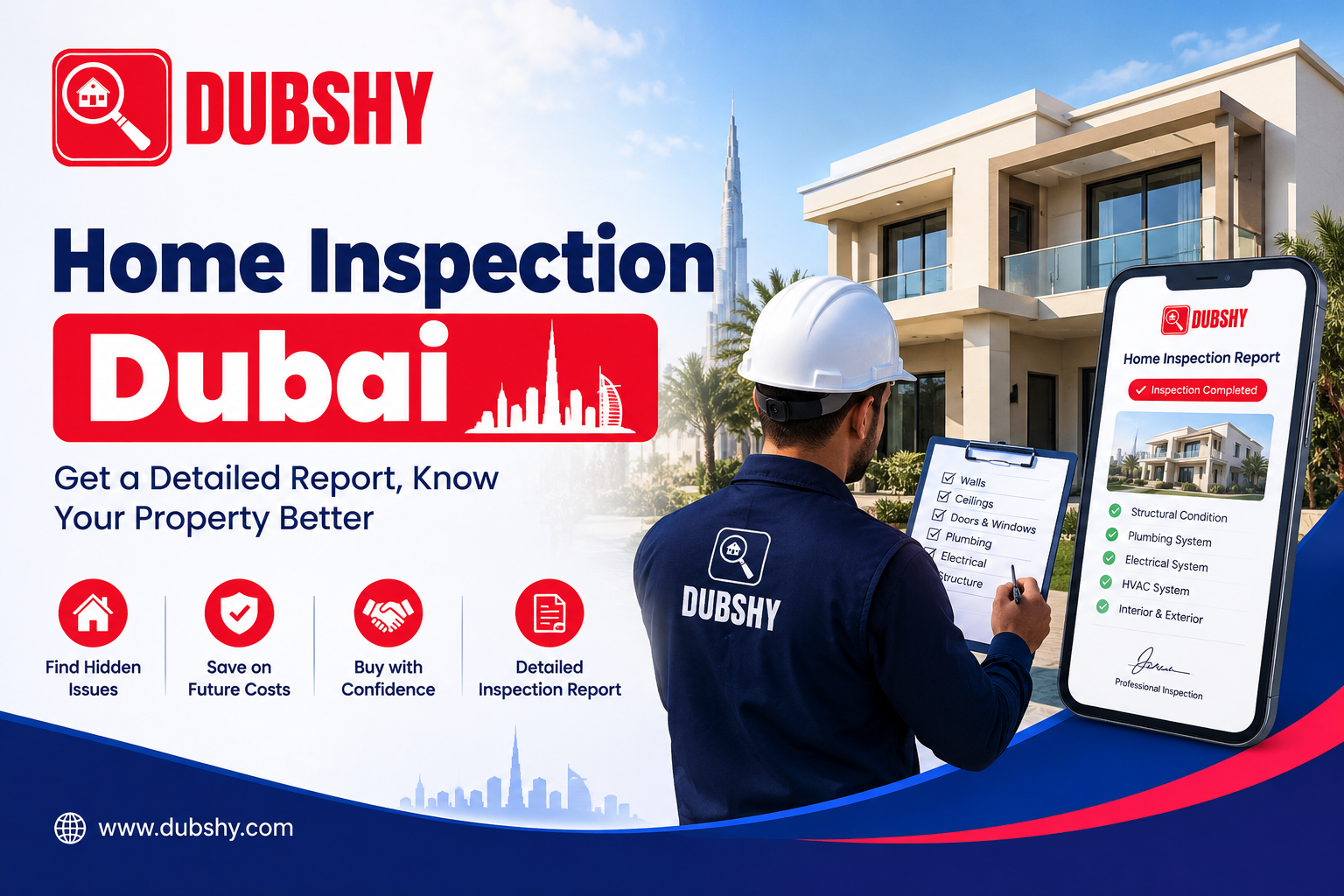
Buying a property in Dubai is a major investment, and understanding its condition before making a final decision is essential. Home Inspection Dubai services help buyers, homeowners, landlords, and tenants identify visible defects, maintenance concerns, and potential safety issues before they become costly problems.
Dubai has a diverse residential property market, including apartments, villas, and townhouses. Although a property may look attractive during a viewing, problems with plumbing, electrical fittings, air conditioning, or construction finishes may not be immediately noticeable. A professional inspection provides a clearer understanding of the property's condition and helps people make informed decisions about repairs and maintenance.
Whether you are purchasing a resale apartment, accepting a newly built home, or preparing a property for tenants, a detailed inspection can help you identify issues that deserve attention before moving forward.
2. What Is Home Inspection Dubai?
Home inspection is a systematic assessment of a property's accessible components and systems. An inspector examines visible areas to identify defects, damage, poor workmanship, and maintenance requirements.
A typical inspection may cover walls, ceilings, floors, doors, windows, plumbing fixtures, electrical fittings, air conditioning equipment, and interior finishes. The exact scope depends on the property's size, age, accessibility, and the inspection service selected.
Unlike a standard property viewing, an inspection focuses on the condition and basic functionality of the home rather than its appearance alone.
Why Is a Home Inspection Important?
Some defects are difficult to notice during a short visit. For example, a bathroom may look clean while its shower sealant is damaged, allowing water to reach surrounding surfaces. Similarly, an air conditioning unit may run but fail to cool a room effectively.
Home Inspection Dubai services help identify observable concerns and provide information that supports better property decisions. Although an inspection cannot guarantee the discovery of every hidden problem, it can help buyers understand potential repair requirements before completing a purchase.
3. What Does a Professional Home Inspection Cover?
A comprehensive inspection usually examines several important areas of the property.
Structural Components and Walls
Inspectors examine accessible walls, ceilings, floors, and visible building elements for cracks, uneven surfaces, damaged finishes, and signs of moisture.
Not every crack indicates a serious structural problem. Some develop because of plaster shrinkage or normal movement. However, large, expanding, or unusual cracks may require further assessment by a qualified structural engineer.
Electrical Systems
Electrical checks may include accessible switches, sockets, lights, distribution boards, and visible wiring, depending on the agreed inspection scope.
Inspectors look for damaged fittings, exposed wires, loose components, and other visible concerns. A standard visual inspection does not necessarily confirm that the complete electrical installation is safe. Additional testing may be necessary if potential faults are identified.
Plumbing and Drainage
Plumbing problems can damage flooring, cabinets, ceilings, and walls. Inspectors may check taps, sinks, toilets, showers, accessible pipes, and drainage points for visible defects.
They also look for water stains, leaking connections, damp patches, and drainage problems. For instance, moisture beneath a kitchen sink may indicate a leaking pipe connection that needs repair.
Air Conditioning and Ventilation
Air conditioning is essential in Dubai's hot climate. An inspection may include checking basic cooling operation, thermostat response, accessible filters, visible ductwork, and signs of water leakage around the equipment.
Weak cooling, unusual noises, or water dripping from an indoor unit may indicate maintenance concerns. More detailed work, such as refrigerant testing or advanced mechanical diagnostics, may require a specialist.
Doors, Windows, and Interior Finishes
Inspectors examine accessible doors, windows, locks, hinges, sealants, flooring, paintwork, cabinets, and bathroom fittings.
Loose tiles, damaged window seals, poorly fitted doors, and cracked grout can affect comfort and usability. Identifying these defects early allows owners to plan repairs before the problems become more extensive.
4. When Should You Arrange a Home Inspection?
The right time for an inspection depends on your property needs and the stage of the transaction.
Before Buying a Property
Buyers should consider arranging an inspection before completing a purchase, subject to access and contractual arrangements. The report can help them understand the property's condition and estimate possible repair expenses.
For example, a villa may have attractive interiors but require plumbing repairs or air conditioning maintenance. Discovering these issues before purchase gives the buyer an opportunity to discuss repairs with the seller and prepare a maintenance budget.
Before Property Handover
Newly constructed homes may have defects in finishing or installation. An inspection before handover can identify problems such as chipped tiles, uneven paintwork, loose fittings, damaged cabinets, or poorly sealed bathroom areas.
Buyers should document identified defects, notify the developer through the appropriate process, and review the applicable warranty terms and defect-reporting deadlines.
Before Renting Out a Property
Landlords can arrange an inspection before tenants move in to document the property's condition. This record can help establish which defects existed before the tenancy began.
Tenants can also document visible damage and report maintenance concerns before moving into an apartment or villa.
5. Key Benefits of Professional Home Inspection
A professional inspection offers several practical advantages for property buyers and owners.
Better purchasing decisions: Buyers gain additional information about the property's condition before committing to a major investment.
Early defect identification: Visible problems may be discovered before they require more extensive repairs.
Improved maintenance planning: A written report helps owners prioritize repairs and schedule routine maintenance.
Clear documentation: Photographs and written observations make it easier to communicate with sellers, landlords, developers, and contractors.
Better property management: Landlords can use inspection findings to prepare homes for tenants and maintain their properties over time.
An inspection does not guarantee that future problems will be avoided. Its primary value is providing an informed assessment of observable conditions at the time of the visit.
6. How to Choose a Home Inspection Company in Dubai
Choosing an inspection provider requires more than comparing prices. The scope of work, inspector's experience, and quality of the final report are equally important.
Check Experience and Qualifications
Ask whether the inspector has experience with your property type, such as an apartment, townhouse, or villa. Review relevant qualifications, professional credentials, and applicable local requirements.
Confirm the Inspection Checklist
Before booking, ask which areas and systems are included. Confirm whether the service covers plumbing, electrical fittings, air conditioning, structural observations, and interior finishes.
If specialized testing is required, check whether it is included or charged separately.
Request a Detailed Report
A useful report should describe each defect, identify its location, and include photographs where appropriate. It should also explain which issues need attention and which require further investigation.
Clear reporting helps property owners understand the findings without advanced technical knowledge.
Compare Services and Prices
Compare companies based on experience, inspection scope, property size coverage, reporting quality, and follow-up support. Ask about additional fees before confirming the appointment.
Choosing a provider based only on the lowest price may mean missing services that are important for your property.
7. Common Challenges and Important Considerations
Home inspections have limitations that buyers and owners should understand.
First, concealed components may not be accessible. Pipes behind walls, wiring beneath floors, and structural elements covered by finishes may require specialized investigation.
Second, an inspection reflects the property's condition at a particular time. A system may develop a fault later, and an intermittent problem may not appear during the visit.
Third, certain concerns require specialist assessment. Significant cracks may need a structural engineer, while suspected mold, persistent water intrusion, or complex electrical faults may require additional testing.
Finally, a property should not be considered completely defect-free simply because an inspection report contains few findings. Buyers should ask questions about unclear observations and arrange additional assessments when necessary.
8. Practical Tips Before Your Inspection
You can make your Home Inspection Dubai appointment more useful by preparing the property and discussing your requirements with the inspector.
-
Arrange access to all rooms, bathrooms, balconies, and accessible service areas.
-
Share available maintenance records and details of known problems.
-
Confirm whether air conditioning and other relevant systems can be operated.
-
Ask the inspector to photograph important defects.
-
Request clear recommendations for repairs and further testing.
-
Review the report before completing the purchase or accepting handover.
-
Keep a copy of the report for future maintenance and reference.
These steps help you understand the findings and decide which issues require attention first.
9. Frequently Asked Questions
1. What Is Home Inspection Dubai?
Home Inspection Dubai refers to professional services that assess the visible condition of residential properties and their accessible systems. These inspections help identify defects, maintenance concerns, and possible safety issues.
2. How Long Does a Home Inspection Take?
The duration depends on the property's size, condition, and inspection scope. A small apartment may require less time than a large villa with multiple bathrooms and additional service areas.
3. Should I Get an Inspection Before Buying a Property?
Yes, an inspection is strongly recommended before completing a purchase whenever access and contractual arrangements allow it. It can reveal visible defects and help you understand potential repair requirements.
4. What Problems Can a Home Inspector Identify?
An inspector may identify visible cracks, water leaks, damaged fittings, drainage problems, air conditioning concerns, and poor finishing. Concealed defects may require additional testing.
5. Does a Home Inspection Guarantee a Defect-Free Property?
No. An inspection cannot guarantee that every defect will be discovered. The results depend on accessibility, inspection methods, and the property's condition during the visit.
10. Conclusion
Home Inspection Dubai services help buyers, homeowners, landlords, and tenants understand a property's condition before making important decisions. Examining accessible structural components, plumbing, electrical fittings, air conditioning, and interior finishes can reveal concerns that might otherwise go unnoticed.
To get the most value from an inspection, choose an experienced provider, confirm the scope of work, and request a detailed written report. Arrange specialist assessments for significant concerns and use the findings to plan repairs and maintenance. These steps can help protect your investment, manage property costs, and make more confident decisions about your home.
 Greek
Greek
 English
 Arabic
 French
 Spanish
 Portuguese
 Deutsch
 Turkish
 Dutch
Dutch
 Italiano
 Russian
 Romaian
 Portuguese (Brazil)