


Property Snagging Dubai: A Smart Way to Protect Your Investment
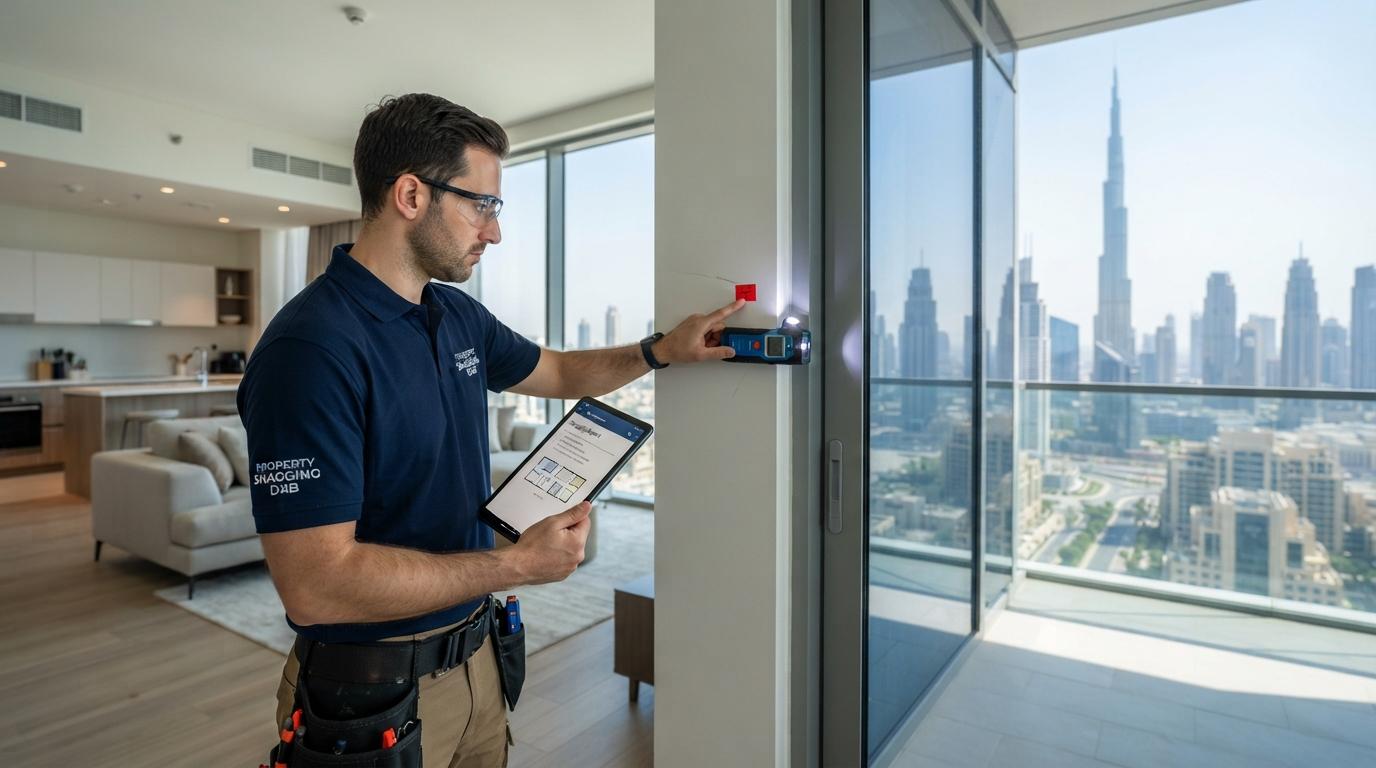
Buying a property in Dubai is an exciting step for homeowners and real estate investors. From contemporary apartments to luxury villas, the city offers a wide range of residential options designed for modern living. However, even a newly completed property may have construction defects, unfinished finishes, or installation problems that are not immediately visible during a viewing.
This makes property snagging Dubai an important consideration before accepting a new home. A professional snagging inspection examines the property's accessible areas, identifies defects, and records problems that may require correction before or after handover.
Many buyers focus on the property's design, location, facilities, and potential value. While these factors matter, construction quality is equally important. A beautiful interior does not necessarily mean that the plumbing, electrical fittings, windows, drainage, and cooling systems are functioning correctly.
A thorough inspection helps buyers understand the property's actual condition and communicate concerns to the developer or contractor. It also supports better maintenance planning and helps reduce the risk of overlooking defects that could become inconvenient after moving in.
Understanding Property Snagging in Dubai
Property snagging is a systematic inspection carried out to identify defects, incomplete work, and problems with the quality of construction or installation. It is commonly arranged before the handover of a newly built property, but it can also be useful for renovated homes and existing properties.
During the inspection, an experienced inspector examines accessible surfaces, fixtures, fittings, and building systems. The objective is to identify visible damage, poor workmanship, and functional problems that need further attention.
Typical findings include uneven paintwork, cracked tiles, loose cabinet handles, leaking taps, misaligned doors, damaged window seals, and air conditioning concerns.
The inspector documents these findings in a snagging report. Depending on the service, the report may include photographs, descriptions of defects, their locations, and recommendations for corrective action.
This documentation gives the property owner a clearer basis for discussing repairs with the responsible party.
It is important to understand that a standard snagging inspection does not automatically include every specialist test. Concealed plumbing defects, structural concerns, and complex electrical problems may require additional investigation by appropriately qualified professionals.
Why Property Snagging Matters Before Handover
Property handover is an important stage in the buying process. Before accepting a completed home, buyers should understand its condition and identify any outstanding issues that require attention.
Identify Defects Before Moving In
Some construction defects become noticeable only when the property is examined carefully. Paint imperfections, loose tiles, damaged fittings, and gaps around windows may be overlooked during a brief viewing.
A detailed inspection helps reveal these problems before furniture, personal belongings, and daily activities make access to certain areas more difficult.
Protect Your Financial Investment
Purchasing a property involves substantial financial commitment. Unexpected repairs can create additional expenses and disrupt plans for moving in or renting out the home.
Snagging helps identify visible problems early, allowing owners to document defects and request appropriate corrective work in accordance with their agreements and applicable procedures.
Check the Quality of Workmanship
The quality of finishing affects both the appearance and usability of a property. Poorly installed cabinets, uneven flooring, damaged sealant, and incorrectly aligned doors can reduce the overall standard of the home.
A systematic inspection evaluates accessible workmanship and highlights areas that may not meet the expected finish or agreed specifications.
Improve Everyday Comfort
A property should be functional as well as attractive. Windows should close securely, taps should operate properly, drainage should work efficiently, and cooling systems should provide suitable comfort.
Identifying these issues before moving in helps owners address practical concerns instead of discovering them during everyday use.
What Does a Professional Snagging Inspection Cover?
A professional property snagging service examines different areas of the home according to the agreed inspection scope.
Walls, Ceilings, and Interior Finishes
Walls and ceilings are checked for cracks, uneven plaster, paint marks, peeling finishes, stains, and visible moisture damage.
Inspectors may also examine corners, ceiling joints, and areas around door and window frames. Any unusual cracking or dampness should be recorded and investigated further when necessary.
Consistent finishing is important because visible defects can affect the property's appearance and may sometimes indicate a deeper issue that requires attention.
Flooring and Tiling
Flooring is an important part of the inspection because damaged or poorly installed surfaces can create maintenance problems.
Common concerns include cracked tiles, uneven transitions, damaged laminate, loose skirting boards, poor grout application, and chipped edges.
Bathrooms, kitchens, balconies, and laundry areas deserve particular attention because water exposure can affect grout, sealant, and surrounding materials.
Doors, Windows, and Glass
Doors and windows should open and close smoothly without unnecessary resistance. Inspectors examine accessible hinges, handles, locks, frames, glass, and visible sealing.
Misaligned doors, damaged hardware, loose handles, and gaps around windows should be documented. These defects may affect convenience, security, indoor comfort, and protection against dust or water.
Plumbing and Drainage
Plumbing problems can lead to inconvenience and property damage if they remain unresolved.
An inspection may include checking taps, sinks, toilets, showers, visible pipe connections, and accessible drainage points. Inspectors look for leakage, loose fittings, poor drainage, and damaged sealant.
If water appears to collect in a shower area or balcony, further assessment may be necessary to establish whether drainage or waterproofing is inadequate.
Electrical Fixtures and Lighting
Electrical fixtures are important for the safe operation of a home. During snagging, accessible switches, sockets, lights, and visible fittings may be checked for damage and basic functionality.
Non-functioning lights, loose faceplates, and visibly damaged components should be documented.
A standard visual inspection cannot confirm every aspect of electrical safety. Suspected wiring defects or other safety concerns should be assessed by a qualified electrician.
Air Conditioning and Ventilation
Dubai's climate makes reliable air conditioning essential for comfortable indoor living.
Inspectors may examine accessible thermostats, cooling controls, vents, airflow, and visible signs of condensation or leakage. Unusual noises and inconsistent cooling should also be recorded.
If the system does not perform as expected, an HVAC specialist may need to carry out additional testing to identify the cause.
Kitchen Cabinets and Built-In Appliances
Kitchens contain several fittings that should be checked before the owner begins using them regularly.
The inspection may cover cabinet alignment, drawer operation, hinges, worktops, handles, visible sealant, and installation quality. Built-in appliances can receive basic functional checks when they are installed and safe to operate.
Damaged surfaces, loose fittings, and poorly finished joints should be documented for correction.
Balconies and External Areas
Balconies, terraces, and other accessible outdoor areas should be examined for cracked tiles, damaged finishes, drainage problems, loose fittings, and visible sealing defects.
Because these spaces are exposed to weather, water-related concerns deserve careful attention. Suspected structural defects or concealed waterproofing problems may require specialist assessment.
How to Prepare for Property Snagging in Dubai
Good preparation can make the inspection more effective and help ensure that important areas receive appropriate attention.
Review Your Property Documents
Keep your handover documents, property specifications, and relevant purchase agreement available. These documents can help clarify which finishes, fittings, and features were agreed upon.
If a particular material or installation was promised, comparing the accessible property features with the documented specifications may help identify discrepancies.
Make Sure the Property Is Accessible
Arrange access to all relevant rooms and areas before the inspection. Where possible, ensure that utilities are available so that accessible fixtures and systems can be checked safely.
If certain rooms, service panels, or external areas cannot be accessed, ask the inspector to identify these limitations in the report.
Choose an Experienced Inspector
Look for a professional who understands residential construction, common finishing defects, and the practical requirements of property handover.
Ask about qualifications, inspection methods, reporting standards, and the limits of the service.
Understand the Final Report
A useful snagging report should identify each defect clearly and provide supporting photographs where appropriate.
It should be easy to understand without requiring advanced construction knowledge. Clear reporting helps the owner communicate with the developer or contractor and track the progress of corrective work.
How to Choose the Right Property Snagging Company
Selecting a suitable inspection company can make the process more organised and useful.
Examine Experience and Expertise
Choose a provider with relevant experience inspecting apartments, villas, or other properties similar to yours.
The inspector should be able to recognise common workmanship problems and understand when a defect needs further specialist investigation.
Check the Inspection Scope
Before booking, ask which areas and systems are included. Confirm whether the service covers bathrooms, kitchens, flooring, windows, electrical fixtures, air conditioning, and accessible external areas.
You should also clarify whether advanced testing, specialist equipment, or a follow-up inspection is included in the quoted service.
Ask for a Sample Report
Reviewing a sample report can help you understand the company's documentation quality.
Look for clear descriptions, useful photographs, organised findings, and practical explanations of identified problems. A well-prepared report should help you understand what needs attention and where the defect is located.
Compare Pricing and Service Terms
The cheapest service may not always provide the inspection coverage you need. Compare the scope of work, the inspector's experience, report quality, and any additional charges.
Ask about report delivery, repair follow-ups, and reinspection options before making a decision.
Common Mistakes to Avoid During Property Handover
One mistake is assuming that a newly constructed home must be free from defects. Even properties with attractive interiors can have problems with fittings, drainage, or installation quality.
Another mistake is concentrating only on cosmetic concerns. A small paint mark may be less urgent than a water leak, a faulty electrical fitting, or a window that does not seal correctly.
Failing to keep written records can also make the repair process more difficult. Photograph defects, retain copies of reports, and keep correspondence with the developer or contractor.
Owners should also avoid assuming that a standard snagging inspection will uncover every concealed defect. Additional testing may be required when the inspector identifies a potentially serious problem.
Finally, review the handover documentation carefully. Understand how defects must be reported, what procedures apply, and which contractual or warranty conditions may affect corrective work.
What Happens After the Snagging Inspection?
Once the inspection is complete, the owner should review the report and identify which findings require attention.
The report can then be submitted to the responsible developer or contractor through the appropriate process. Each reported defect should be explained clearly, with photographs and location details where available.
Keep written records of the submission, any response received, and the corrective work agreed upon.
After the repairs have been completed, a follow-up inspection can help confirm whether the reported problems have been resolved satisfactorily. Any remaining defects should be documented and communicated for further action.
The availability and responsibility for repairs depend on the property's contractual arrangements, applicable warranty terms, and relevant requirements. Owners should confirm these details rather than assuming that every defect will automatically be covered.
Frequently Asked Questions
What is property snagging Dubai?
Property snagging Dubai is a detailed inspection of a property to identify visible defects, incomplete work, and installation problems. The findings are documented to help owners request appropriate corrective action before or after handover.
Is property snagging necessary for a new home?
It is strongly advisable because newly completed properties can still contain finishing defects, plumbing problems, faulty fittings, and other issues. An inspection helps buyers understand the property's condition before settling in.
When should I arrange a snagging inspection?
The preferred time is generally before accepting handover, when the property is accessible and defects can be documented for the responsible party. Inspections can also be useful after handover, following renovations, or before purchasing an existing property.
What should a professional snagging report include?
A good report should describe the identified defects, specify their locations, and include photographs where appropriate. It should also make the findings easy to understand and communicate to the responsible party.
Does snagging include hidden defects?
A standard inspection focuses primarily on accessible areas and the systems covered by the agreed service. Concealed plumbing, structural, waterproofing, or electrical problems may require additional specialist testing.
Can property snagging help real estate investors?
Yes. Snagging can help investors understand a property's condition, identify issues requiring correction, and organise maintenance before renting out the property or preparing it for resale.
How can I select a reliable snagging company?
Look for relevant experience, appropriate qualifications, a clear inspection scope, detailed reporting, and transparent service terms. Ask whether follow-up inspections and specialist assessments are available when needed.
Does snagging guarantee a defect-free property?
No. An inspection can identify many visible and accessible defects, but it cannot guarantee that every concealed problem or future failure will be discovered. Further investigation may be necessary if concerns arise.
Conclusion
Property snagging Dubai is a valuable step for homeowners and investors who want a clearer understanding of a property's condition before accepting handover. A systematic inspection helps identify visible defects, assess workmanship, check accessible fixtures, and document problems that may require corrective action.
Choosing an experienced inspector, reviewing the report carefully, and maintaining written records can make communication with developers and contractors more effective. Owners should also understand the limits of the inspection and arrange specialist assessments when necessary.

 English
 French
 Spanish
 Portuguese
 Deutsch
 Turkish
 Dutch
Dutch
 Italiano
 Russian
 Romaian
 Portuguese (Brazil)
 Greek
Greek