


Hyperbaric Chamber UAE: Regulation, Space and Installation Requirements
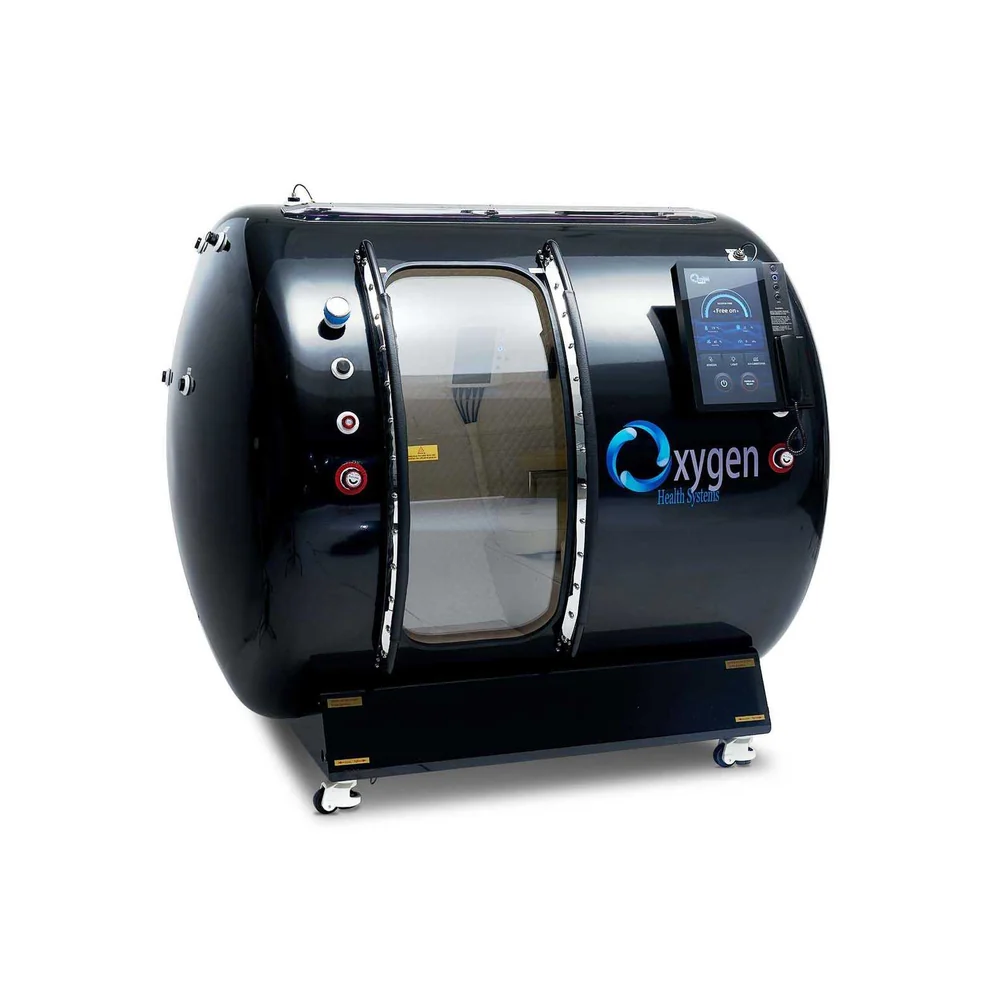
Buying a hyperbaric chamber in the UAE isn't like buying a treadmill. It involves a pressure vessel, an oxygen supply and, usually, a regulated healthcare setting. Delivery, structural checks, power, ventilation and approvals all need attention before the chamber arrives, and surprises tend to be expensive.
This guide walks through the main planning steps: regulation and approvals, space and structure, power and air supply, fire safety, and installation and training. It's general guidance to help you ask better questions, and your supplier, engineer and health authority should confirm the specifics for your project.
Start With Regulation and Approvals
Before anything else, work out what your intended use requires. Medical treatment typically needs a licensed healthcare facility, clinical oversight and registered medical equipment. Wellness use may fall under different rules, but it's rarely free of requirements.
Health authorities such as those in Dubai and Abu Dhabi, and federal bodies, set licensing and device rules. Contact the relevant authority early to ask what applies to your premises, your staff and the equipment you plan to buy.
Ask suppliers for documentation on the device's certification and registration status, and for evidence it can be used for your intended purpose. Never assume that a product being available for sale means it's approved for your use.
Space, Structure and Delivery
Chambers are large and heavy. A multiplace hard-shell chamber can measure around two metres or more in length and weigh hundreds of kilograms before occupants and ancillary equipment are added. For example, one listed model is about 2.1 metres long, with a weight around 420 kg, plus a separate machine of roughly 95 kg.
Have a structural engineer assess floor loading, especially on upper floors or in older buildings. Measure delivery routes, including lifts, corridors, doorways and turning points, and ask the supplier how the chamber is moved and positioned.
Allow space around the chamber for access, maintenance, equipment and emergency procedures. A cramped installation makes servicing difficult and can compromise safety.
Power, Air and Oxygen Supply
Hyperbaric systems depend on compressors, oxygen generators or other oxygen sources, climate control and monitoring. Ask for the complete electrical specification, including voltage, current, fusing and whether dedicated circuits are needed. A listed all-in-one unit might draw well over a kilowatt, and other components add to that.
Check how the chamber is supplied with air and oxygen. Understand whether oxygen is generated on site, delivered from cylinders or supplied by another method, and what that means for storage, handling and safety.
Backup arrangements deserve discussion. Ask what happens during a power failure and how the system depressurises safely, because those are the moments when design quality shows.
Fire Safety and Ventilation
Oxygen increases fire risk dramatically, so fire safety planning is central. Keep ignition sources, flammable materials and unsuitable electronics away from chambers and oxygen equipment, and follow the supplier's and authority's rules.
Fire-safety standards for multiplace chambers typically limit oxygen concentration in the chamber atmosphere to a low level, which is why occupants usually breathe oxygen via masks or hoods rather than filling the room with it. Ask the supplier to explain exactly how a given chamber handles this.
Good ventilation in the room, clear exits and appropriate fire detection and suppression equipment are part of a sensible installation. Staff should know emergency procedures and where equipment is.
Installation, Commissioning and Training
Installation should include positioning, connection of services, commissioning, testing and handover. Ask for the scope in writing, and confirm who handles electrical and civil work.
Training matters as much as the hardware. Operators need to understand pressurisation, oxygen delivery, emergency release and routine checks. Ask what training is included, how long it takes and who provides refresher sessions.
Finally, plan for maintenance. Seals, valves, filters, compressors and oxygen generators all need servicing. A listing such as a walk-in hyperbaric chamber listing with installation details shows how one supplier describes installation, training and warranty. Recover is one UAE retailer that offers it, so confirm what's included for your site.
Frequently Asked Questions
Do I need a licence to operate a hyperbaric chamber in the UAE?
It depends on your use and premises. Medical use usually requires a licensed facility, while other uses have their own rules. Check with the relevant health authority.
How much space does a hard-shell chamber need?
More than the chamber itself. You need room for access, ancillary equipment, servicing and safe movement. Ask the supplier for a layout drawing.
Can any room hold a hyperbaric chamber?
Not necessarily. Floor strength, delivery access, ventilation and power all matter. An engineer should assess the room first.
Who should train operators?
The supplier often provides initial training, but clinical governance and ongoing competence are the operator's responsibility. Ask about refresher training too.
Conclusion
A hyperbaric chamber in the UAE is a regulated, space-hungry and safety-critical installation. Start with approvals, check structure and delivery access, plan power, air and oxygen supply carefully and take fire safety seriously.
Choose a supplier who documents installation scope, provides operator training and supports the equipment afterwards. Careful planning before delivery is the cheapest way to avoid problems later.
 Deutsch
 English
 Arabic
 French
 Spanish
 Portuguese
 Turkish
 Dutch
Dutch
 Italiano
 Russian
 Romaian
 Portuguese (Brazil)
 Greek
Greek