


Table Top Weighing Scale in UAE: Precision and Performance for Business Operations
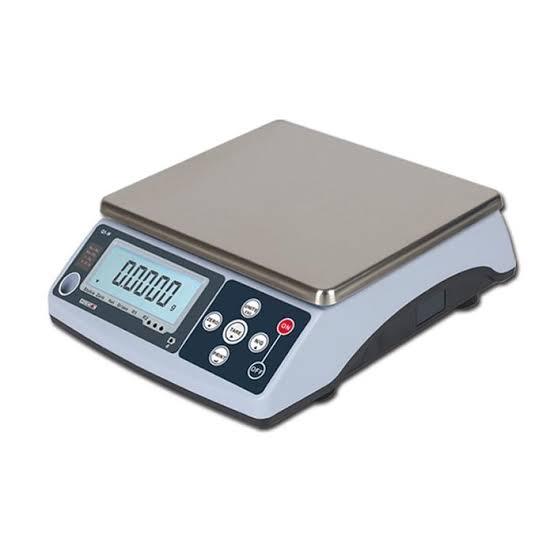
Businesses that depend on accurate measurements need weighing equipment that combines reliability, convenience, and efficient operation.
A Table Top Weighing Scale in UAE is a practical solution for companies that measure ingredients, packaged products, components, and raw materials as part of their daily activities. Its compact design allows it to fit easily into workstations, retail counters, laboratories, and production areas without requiring extensive installation space.
As commercial and industrial activities continue to expand across the UAE, businesses need equipment that supports consistent measurement and effective quality control. A well-selected tabletop scale can help employees manage product quantities, maintain reliable records, and complete routine weighing tasks with greater confidence.
The Importance of Tabletop Weighing Equipment
Weight measurement influences several aspects of business operations, including product preparation, packaging, inventory management, and quality assurance. Inaccurate measurements can lead to inconsistent quantities, unnecessary material waste, and difficulties maintaining product standards.
A tabletop weighing machine provides a convenient way to measure items directly at the workstation. Employees can weigh products before packaging, check components during production, or measure ingredients before processing. This reduces dependence on manual estimation and encourages consistent working practices.
Unlike large industrial weighing systems, tabletop models are designed for applications where space efficiency and convenient access are important. Their versatility makes them suitable for businesses of different sizes, provided the selected model meets the required capacity and accuracy specifications.
How Modern Tabletop Scales Deliver Consistent Measurements
Most modern tabletop weighing scales use electronic load cells to detect the weight applied to the platform. The sensors convert the applied force into electrical signals, which are processed and displayed as a numerical reading.
The quality of the final measurement depends on several factors, including sensor performance, calibration, platform stability, and the environment in which the equipment operates. Placing the scale on a stable surface and following the manufacturer's instructions can help maintain dependable results.
Depending on the model, additional functions may include tare weighing, automatic zero adjustment, piece counting, unit conversion, and digital data output. These features can make weighing more convenient, particularly in workplaces where employees perform repeated measurements throughout the day.
Commercial Applications Across Different Industries
Tabletop weighing equipment supports a wide range of activities throughout the UAE. Its practical value comes from the ability to perform measurements close to where products are prepared, inspected, or handled.
Food Production and Ingredient Measurement
Bakeries, restaurants, catering companies, and food manufacturers frequently measure ingredients to maintain consistency between batches. A suitable tabletop scale helps employees measure flour, sugar, spices, and other ingredients according to specific requirements.
Accurate ingredient measurement can support product consistency and reduce unnecessary waste. Businesses working in environments where equipment requires frequent cleaning should select models designed for the relevant hygiene and moisture conditions.
Retail and Product Handling
Retail businesses may use tabletop scales to weigh goods, prepare packages, and verify product quantities. A clear digital display allows employees to read measurements conveniently during everyday operations.
For businesses selling products by weight, the scale must also meet the applicable requirements for commercial weighing. Buyers should confirm that the selected equipment is appropriate for its intended use.
Manufacturing and Component Inspection
Manufacturers often need to measure small components, spare parts, and production samples. Tabletop weighing equipment can support inspection procedures by helping employees check quantities and identify inconsistencies.
Certain models offer counting functions that estimate the number of identical items based on their average unit weight. This can be particularly useful for businesses managing screws, bolts, electronic components, and other small parts.
Packaging and Inventory Management
Packaging departments need consistent methods for checking product quantities before dispatch. A tabletop scale can be positioned near the packing station, allowing employees to weigh items without transporting them to a separate weighing area.
In warehouses, this equipment can also assist with smaller parcels, individual components, and stock verification tasks. The selected capacity should match the weight of the products and their containers.
Selecting Equipment That Matches Your Requirements
Choosing the right scale requires an understanding of the actual weighing process. Businesses should evaluate the type of material being measured, the frequency of use, and the working conditions before comparing available models.
The maximum capacity is particularly important because the scale must safely accommodate the expected load. Readability is equally relevant, as it determines the smallest displayed weight increment. Platform dimensions should also provide sufficient space for products to rest securely during measurement.
Other considerations include display visibility, power options, construction materials, cleaning requirements, and the availability of maintenance support. Stainless steel platforms may be appropriate for some environments, while specialized protective designs may be needed in workplaces exposed to moisture or demanding cleaning procedures.
A scale with suitable specifications will generally provide greater practical value than a model selected solely because it has a lower purchase price.
Digital Functions That Support Daily Workflows
Modern tabletop weighing machines can offer more than basic weight measurement. Depending on the design, their functions may help simplify repetitive tasks and improve the handling of measurement information.
The tare function, for example, allows users to exclude the weight of an empty container when measuring its contents. This is useful for ingredient preparation and packaging operations. Piece-counting functions can support inventory checks, while selected models can transfer weight data to compatible computers or printers.
These capabilities can help businesses organize their processes more effectively. However, not every application requires advanced features. Companies should focus on functions that address their specific operational needs instead of paying for options they are unlikely to use.
Maintaining Accuracy Through Proper Care
Consistent measurements depend on both equipment quality and correct handling. Even a suitable scale can produce unreliable results if it is installed incorrectly, overloaded, or exposed to conditions outside its intended operating range.
For dependable performance, businesses should follow these practices:
-
Install the scale on a stable, level surface and avoid unnecessary vibration.
-
Keep the weighing platform clean and follow the manufacturer's cleaning instructions.
-
Avoid exceeding the rated capacity and arrange calibration according to the application's requirements.
Periodic inspections can help identify damage, unstable readings, or other performance issues. Businesses using scales for commercial transactions should also verify the applicable UAE requirements for approval and metrological verification.
Choosing a Tabletop Weighing Scale Supplier in UAE
Businesses in Dubai, Abu Dhabi, Sharjah, and other UAE locations may have different equipment requirements based on their products and operational environments. A retail counter may need a straightforward digital scale, whereas a production facility may require a more durable model with counting or data-transfer functions.
Al Falah Scales provides weighing equipment solutions for commercial and industrial applications. When evaluating a suitable tabletop weighing machine, businesses should clearly identify their expected load, required readability, platform size, and working conditions.
Discussing these requirements with a weighing equipment provider can help narrow down suitable options and ensure that the selected model supports the intended application. Buyers should also consider the availability of technical support, calibration, and maintenance services when assessing long-term value.
Improving Business Efficiency With the Right Scale
The right weighing equipment can become an important part of a company's quality-control and inventory management processes. By measuring products consistently, employees can maintain better quantity control and reduce reliance on estimates.
A tabletop design also allows businesses to position weighing equipment close to the work being performed. This can simplify routine procedures and help employees complete measurements without unnecessary movement between departments.
For businesses that perform weighing tasks regularly, selecting equipment that matches the workload can support more organized operations and dependable measurement practices over time.
Conclusion
A table top weighing scale offers a convenient and space-efficient solution for businesses that require consistent weight measurement. By evaluating capacity, readability, construction, digital functions, and maintenance requirements, companies in the UAE can select equipment that suits their operational needs. Proper installation and regular care help maintain dependable performance across retail, food processing, packaging, and manufacturing applications.
Frequently Asked Questions
1. What are the main uses of a table top weighing scale?
Tabletop scales are commonly used to measure ingredients, packages, components, and small products in retail shops, food-processing facilities, warehouses, and manufacturing workplaces.
2. How do I select the right tabletop weighing machine?
Compare the maximum capacity, readability, platform dimensions, operating environment, and functions required for your application. Also consider calibration and maintenance support.
3. How can businesses maintain consistent weighing results?
Businesses should install the scale correctly, keep it clean, avoid overloading, follow the manufacturer's instructions, and arrange appropriate calibration and inspections.
 Spanish
 English
 Arabic
 French
 Portuguese
 Deutsch
 Turkish
 Dutch
Dutch
 Italiano
 Russian
 Romaian
 Portuguese (Brazil)
 Greek
Greek