


How Vitamin C Serums Shape UAE Skincare
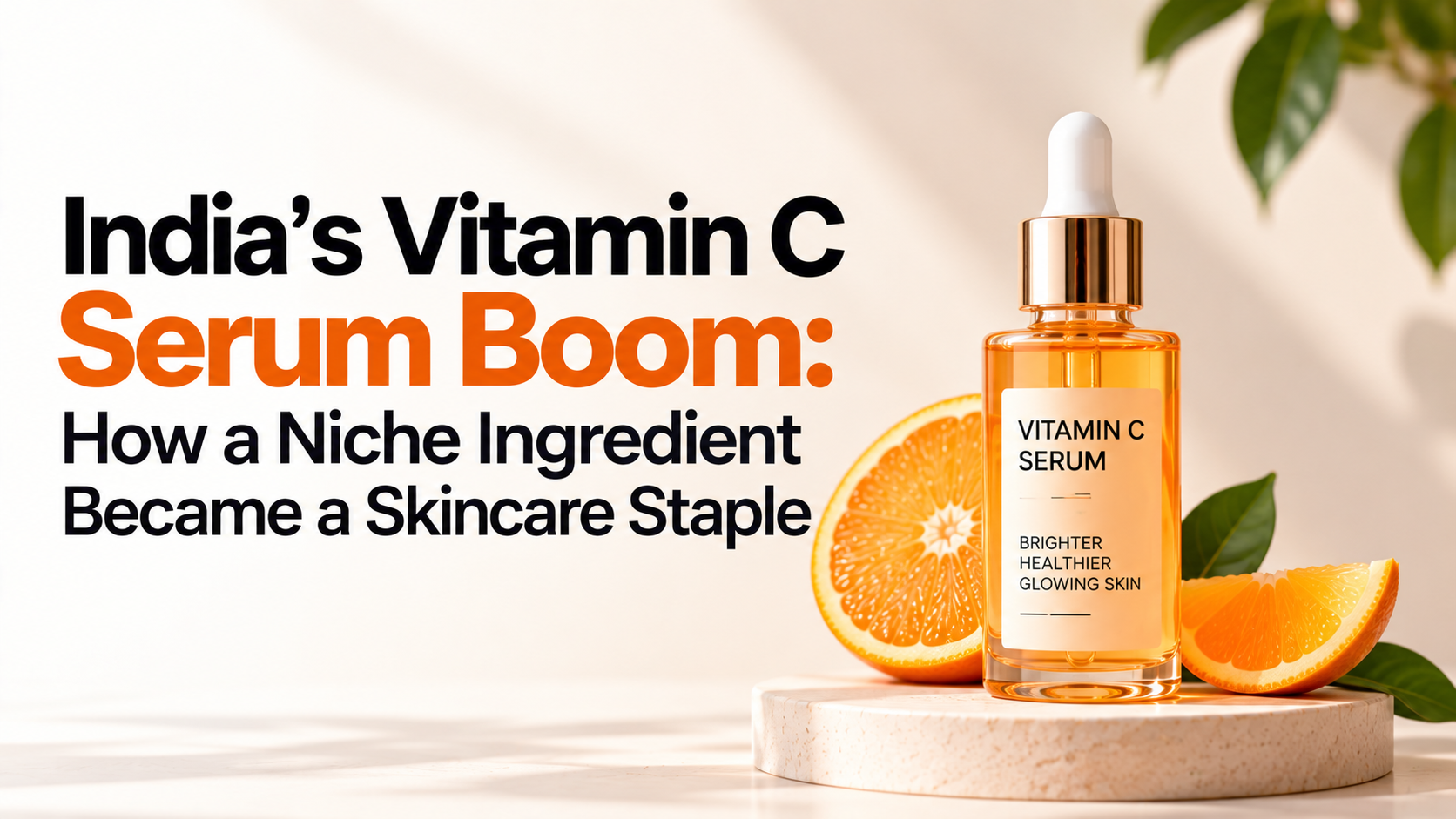
Vitamin C serums are becoming a popular part of skincare routines in the UAE because consumers are paying closer attention to brightness, uneven tone, dullness, pigmentation, and daily skin protection. These products are usually applied after cleansing and before moisturizer or sunscreen. Their appeal comes from lightweight textures, targeted use, premium positioning, and compatibility with wider skincare routines across beauty retail, salons, clinics, and online platforms.
A recent study by Markntel Advisor highlights that the UAE vitamin C serum industry was valued at USD 65 million in 2025. It is projected to grow from USD 70 million in 2026 to USD 125 million by 2032, registering a CAGR of 10.15% during 2026–2032. This growth reflects skincare awareness, premium beauty spending, online retail expansion, dermatology-led recommendations, and demand for brightening and antioxidant-focused products.
Sun Exposure Shapes Skincare Habits
The UAE’s climate and outdoor lifestyle make sun exposure an important skincare consideration. Consumers often look for products that support brighter-looking skin and help manage visible effects linked with environmental stress. Vitamin C serums are commonly positioned as antioxidant skincare products, often used alongside sunscreen and moisturizers in morning or evening routines.
WHO’s fact sheet on ultraviolet radiation explains that UV radiation exposure affects the skin and that the UV index helps communicate daily exposure levels. This supports why skincare users in sunny regions pay attention to protection-focused routines. Vitamin C serums do not replace sunscreen, but they fit into broader daily care habits focused on skin appearance and environmental exposure.
Premium Beauty Demand Supports Growth
The UAE has a strong premium beauty culture supported by malls, specialty beauty stores, pharmacies, dermatology clinics, online platforms, salons, and influencer-led product discovery. Consumers often compare ingredient claims, texture, brand reputation, fragrance, packaging, and reviews before buying. Vitamin C serums benefit from this behavior because they are associated with targeted skincare rather than basic moisturization.
Premiumization also shapes product formats. Brands offer different concentrations, stabilized vitamin C derivatives, fragrance-free options, combination formulas, and packaging designed to reduce oxidation. Consumers may choose products based on skin type, sensitivity, texture preference, and perceived effectiveness. This creates space for both luxury brands and accessible dermocosmetic products.
Ingredients and Label Trust Matter
Ingredient transparency is important in vitamin C serum purchasing because consumers want to understand what they are applying to their skin. Labels may include ascorbic acid, sodium ascorbyl phosphate, magnesium ascorbyl phosphate, ethyl ascorbic acid, ferulic acid, vitamin E, hyaluronic acid, niacinamide, or botanical extracts. Buyers often look for formulas that balance performance with skin comfort.
The FDA’s official guidance on cosmetic ingredients explains that cosmetic products and ingredients are not generally required to receive premarket approval in the United States, except for certain color additives. This highlights why accurate labeling, responsible formulation, and brand credibility matter globally. In the UAE, trusted distribution and product compliance are especially important for imported and locally sold skincare products.
Regulation Supports Product Confidence
Skincare products need proper classification, labeling, and authorization before they can be sold through formal channels. This matters because vitamin C serums sit within a sensitive category where consumers expect safe formulations, clear claims, and reliable quality. Products sold through pharmacies, e-commerce marketplaces, and beauty retailers must meet relevant requirements to maintain consumer confidence.
The Emirates Drug Establishment’s service for marketing authorization for a healthcare product includes cosmetics with a medical effect within its scope. This shows the importance of formal product review and documentation where required. Regulatory clarity supports organized retail and helps reduce risks linked with misleading claims or unverified products.
E-Commerce Expands Product Access
Online retail is making vitamin C serums easier to discover and compare. Consumers can review ingredients, price, product claims, user feedback, delivery options, and brand reputation before purchasing. Social media also influences buying decisions through skincare routines, dermatologist videos, influencer reviews, and before-after style content. This creates strong visibility for serums with clear positioning and credible claims.
The future of the UAE vitamin C serum sector will depend on skincare awareness, climate-linked beauty routines, product innovation, retail expansion, and regulatory trust. Demand is expected to remain supported by consumers seeking brighter-looking skin, antioxidant-focused care, and premium daily-use products. As skincare becomes more ingredient-led, vitamin C serums will continue playing a visible role in UAE beauty routines.
 Dutch
Dutch
 English
 Arabic
 French
 Spanish
 Portuguese
 Deutsch
 Turkish
 Italiano
 Russian
 Romaian
 Portuguese (Brazil)
 Greek
Greek