


Indonesia Swimming Pool Equipment Gains Momentum with Tourism and Smart Infrastructure
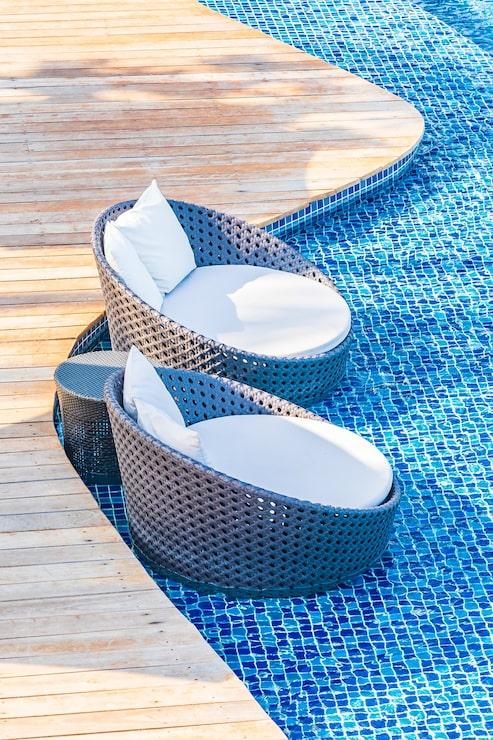
Indonesia’s swimming pool equipment sector is evolving alongside the expansion of tourism, hospitality infrastructure, premium residential developments, and urban amenities. Hotels, resorts, villas, sports facilities, and residential communities increasingly require reliable systems for water circulation, filtration, sanitation, cleaning, lighting, and automation. At the same time, rising operating costs are encouraging pool operators to consider energy-efficient and digitally connected equipment.
According to a Indonesia swimming pool equipment industry report, the sector was valued at USD 18.11 million in 2025 and is projected to reach USD 22.39 million in 2026 and USD 38.28 million by 2032, registering a CAGR of 9.35% during 2026–2032. Commercial pools account for approximately 62% of the sector, while hospitality represents nearly 48%, making tourism infrastructure an important source of equipment demand.
Tourism Expansion Supports Commercial Pool Development
Indonesia’s expanding tourism industry is creating demand for new hotels, resorts, villas, and recreational facilities where swimming pools are frequently incorporated as major amenities. The country welcomed 15.39 million foreign tourist arrivals in 2025, exceeding the government’s target of 14–15 million visitors.
Tourism investment is also increasing. The sector study reports that tourism investment realization reached approximately USD 4.38 billion in 2025, representing a 56.05% year-on-year increase. New hospitality developments require complete pool infrastructure, including pumps, filters, circulation systems, water-treatment equipment, and cleaning technologies.
The Ministry of Tourism and Creative Economy continues to support the development of Indonesia’s tourism ecosystem, providing a broader policy environment for investment in destinations and hospitality infrastructure.
Commercial Pools Lead Equipment Demand
Commercial pools represent approximately 62% of Indonesia’s swimming pool equipment sector in 2026. Hotels, resorts, water parks, sports clubs, and recreational facilities typically operate pools more intensively than residential users, requiring higher-capacity equipment and continuous water-quality management.
A commercial property can also contain several types of aquatic facilities, including main swimming pools, children's pools, spa pools, and water features. Each installation may require dedicated circulation, filtration, disinfection, lighting, and control systems.
This higher equipment intensity means that commercial projects can generate substantial demand even when the number of installations is lower than residential pools. Continued hospitality investment is therefore expected to keep commercial applications at the center of sector development.
Hospitality Remains the Largest End User
Hospitality accounts for nearly 48% of the sector in 2026. Hotels, resorts, and luxury villas are particularly important because swimming pools are often integrated into guest amenities and wellness facilities.
The study highlights continuing development in destinations such as Bali and Lombok. In the Mandalika Special Economic Zone, the Indonesia Tourism Development Corporation signed a USD 124.45 million development agreement in April 2025 for a five-star luxury hotel at Tanjung Aan Beach. Such projects require commercial-grade pumps, filtration systems, circulation equipment, disinfection technologies, and automation.
The Indonesia Tourism Development Corporation is involved in developing tourism destinations and special economic zones, including Mandalika. Continued investment in these destinations can create recurring requirements for swimming pool infrastructure during both construction and subsequent maintenance cycles.
Premium Villas Expand the Residential Opportunity
Residential demand is also developing as foreign-backed villa construction and premium housing projects expand. Indonesia’s Golden Visa framework has encouraged investment from eligible foreign investors and property buyers, supporting development activity in destinations where private pools are common features of higher-end properties.
Urbanization is adding another layer of demand. The report indicates that 60.27% of Indonesia’s population is projected to reside in urban areas in 2026, while the total population is expected to approach 296 million by 2030.
The expansion of high-rise residential complexes, gated communities, mixed-use developments, and premium housing can therefore create additional demand for residential pumps, filters, sanitation systems, pool covers, lighting, and automated controls.
Energy Efficiency Becomes a Stronger Consideration
Rising operating costs are influencing equipment selection across commercial swimming pools. According to BPS-Statistics Indonesia, the Ores, Minerals, Electricity, Gas, and Water component of the National Wholesale Price Index increased 8.92% year-on-year in May 2026.
Higher electricity costs are encouraging hotels, resorts, sports facilities, and other pool operators to consider variable-speed pumps, high-efficiency filtration, and automated control systems. These technologies can adjust equipment operation according to actual pool requirements rather than maintaining maximum output continuously.
The BPS-Statistics Indonesia provides official economic and price statistics that help illustrate changing operating conditions affecting businesses across the country.
Smart Pool Technologies Gain Attention
Digitalization is becoming another important development within Indonesia’s swimming pool equipment sector. IoT-enabled monitoring, automated filtration, connected pumps, intelligent chemical management, and remote-control systems can provide operators with greater visibility over pool conditions.
Smart equipment can monitor parameters such as water quality, pump operation, filtration cycles, and energy consumption. Automated systems can then adjust equipment operation according to predefined conditions, potentially reducing unnecessary energy use and simplifying routine maintenance.
The sector study highlights the growing interest in AI-powered and smart pool technologies. Their adoption reflects a broader movement toward digitally managed hospitality facilities in which pool infrastructure is connected with wider building-management systems.
Local Manufacturing Strengthens Supply Chains
Indonesia’s manufacturing base is also contributing to the development of the swimming pool equipment ecosystem. The manufacturing sector accounted for 19.07% of national GDP in 2025, according to BPS-Statistics Indonesia.
Domestic production of components such as pumps, filters, pipes, valves, and plastic fittings can improve product availability and reduce reliance on imported equipment. Local manufacturing can also support shorter delivery times and greater access to technical service and replacement components.
The sector study highlights the USD 2 million submersible pump assembly facility opened by Grundfos in Jakarta in November 2024. Although the facility does not manufacture swimming pool circulation pumps directly, it contributes to Indonesia’s broader pump manufacturing ecosystem.
Local Content Rules Influence Procurement
Indonesia’s Domestic Component Level, or TKDN, requirements are also influencing equipment sourcing strategies. Regulation No. 35 of 2025 introduced a stricter framework involving continuous audits and enforcement mechanisms, while Presidential Regulation No. 46 of 2025 established local-content requirements for certain government procurement opportunities.
These requirements can create challenges for companies relying heavily on imported pool pumps, filtration equipment, and water-treatment systems. At the same time, they provide an incentive for manufacturers to establish local assembly or production capabilities.
Greater localization could strengthen domestic supply chains while encouraging manufacturers to develop partnerships and technical capabilities within Indonesia.
Mandalika Becomes an Emerging Demand Center
The Mandalika Special Economic Zone is becoming an important example of how tourism and real-estate development can generate swimming pool equipment demand. Cumulative investment in the zone reached USD 365 million by 2025, while a further USD 3.15 million agreement for premium villa development was signed in January 2026.
Luxury hotels, resorts, and villas typically incorporate pools alongside spas, wellness areas, and recreational facilities. This creates demand across multiple equipment categories rather than only basic circulation systems.
The combination of hospitality development and premium residential construction gives Mandalika potential importance as a long-term equipment-demand center.
Swimming Pool Infrastructure Moves Toward Efficiency and Connectivity
Indonesia’s swimming pool equipment sector is being shaped by tourism growth, hospitality investment, premium villa development, urbanization, rising energy costs, local manufacturing, and digitalization. Commercial pools currently represent the largest pool category, while hospitality remains the leading end-user segment.
Future development is likely to focus increasingly on energy-efficient pumps, automated filtration, intelligent water treatment, connected monitoring, and locally supported equipment. As Indonesia expands tourism destinations and premium residential infrastructure, swimming pool systems are becoming more integrated with broader goals around operational efficiency, water quality, and digitally managed facilities.
 Romaian
 English
 Arabic
 French
 Spanish
 Portuguese
 Deutsch
 Turkish
 Dutch
Dutch
 Italiano
 Russian
 Portuguese (Brazil)
 Greek
Greek