


Signage Installation Melbourne: Making Business Spaces Easier to Recognise
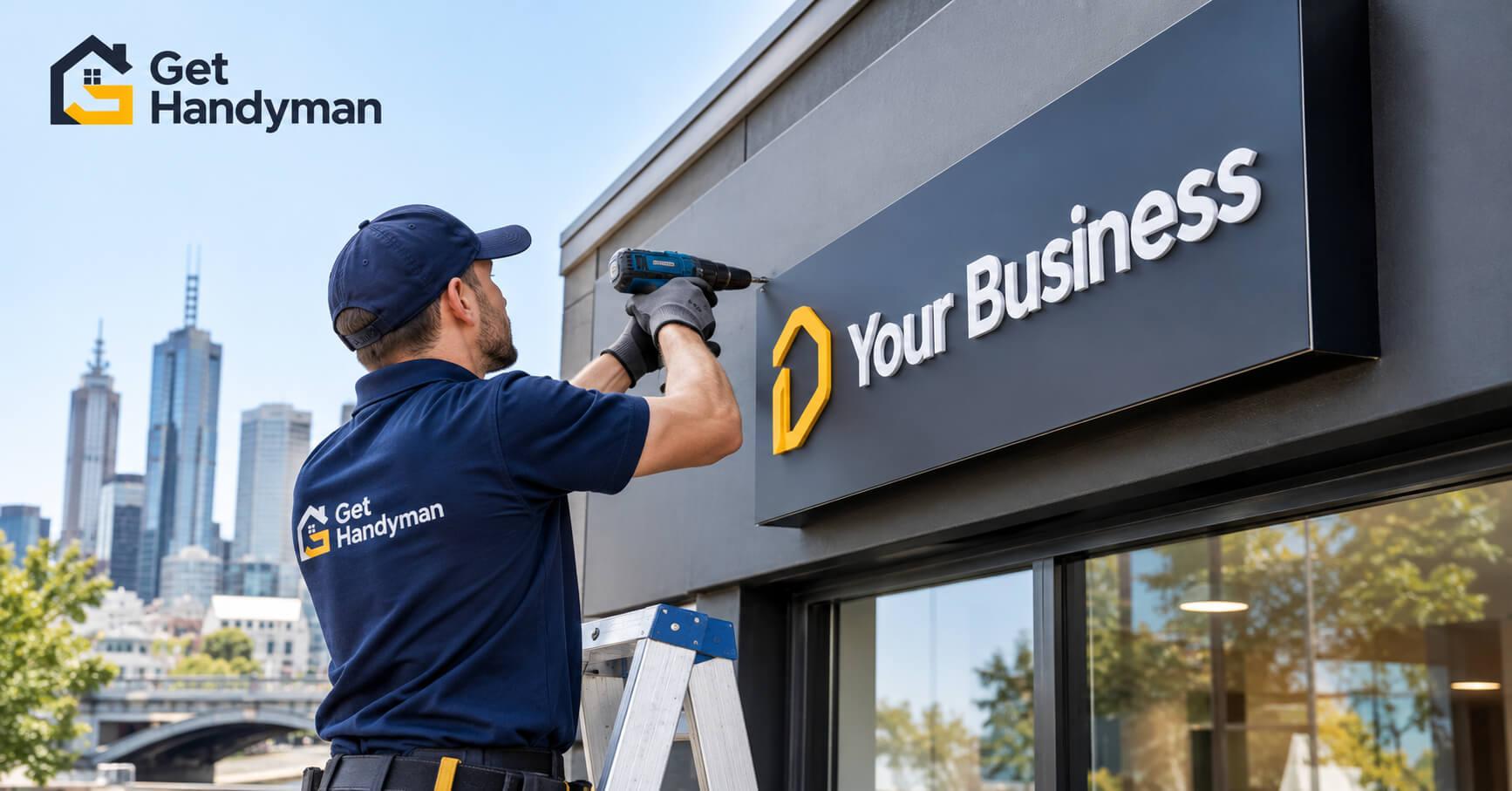
Customers should be able to identify a business without struggling to find its entrance or understand what it offers. Clear signage makes this possible by displaying business names, directing visitors, sharing important information, and reinforcing a company's visual identity. Professional Signage Installation Melbourne services help businesses turn these needs into practical signs that suit their premises, audience, and operating environment.
From independent retailers and restaurants to office buildings and industrial facilities, every business has different signage requirements. The right solution depends on where the sign will be viewed, how much information it needs to communicate, and the conditions it must withstand. Careful planning also helps business owners manage installation costs, comply with relevant requirements, and avoid problems that may affect the sign's safety or appearance.
Understanding What Makes Signage Effective
A sign is useful when people can notice it, read it, and understand its message quickly. Its effectiveness depends on several factors working together rather than on appearance alone.
Readability and Visual Contrast
Text should be large enough for the intended viewing distance. A sign positioned above a shopfront needs different lettering from a label beside an office door. Strong contrast between the text and background helps people recognise information more easily.
The amount of content matters as well. A business name and a short description may be sufficient for an external sign, while a directory can contain more detailed information. Keeping each sign focused on one main purpose prevents the message from becoming cluttered.
Placement and Viewing Angles
A well-designed sign can still fail if customers cannot see it. Awnings, trees, parked vehicles, street furniture, and neighbouring displays may obstruct the view.
During planning, consider the direction from which people approach the premises. A business on a corner may benefit from signage visible from two directions, while an office inside a shared building may need a directory near the entrance and clear signs along the route to reception.
Choosing Signage for Different Business Environments
The location and purpose of the sign should guide the selection process.
Retail Shops and Hospitality Venues
Retail stores, cafés, restaurants, and salons often need signage that identifies the business from the street. Fascia panels, raised lettering, window graphics, and illuminated displays are common options.
A restaurant, for example, may use a main exterior sign for identification, a window display for opening hours, and a menu board near the entrance. Each sign has a distinct role, allowing customers to find essential information without reading one oversized display.
Offices and Commercial Buildings
Office environments often require a combination of exterior identification and internal wayfinding. Reception signs establish where visitors should report, while room labels and floor directories help them move through the building.
In shared commercial properties, businesses should check building management rules before choosing sign sizes, colours, or mounting positions. Coordinating signage with the property's existing system can create a more consistent appearance.
Warehouses and Industrial Facilities
Industrial sites may need large identification signs, delivery instructions, vehicle directions, and safety information. Signs should be placed where drivers and workers can see them without creating distractions or obstructing access.
Safety signs must communicate specific information clearly. Their wording, symbols, and positioning should reflect the hazard or instruction involved and meet applicable workplace requirements.
Materials and Finishes That Suit the Installation Site
Material choice affects durability, appearance, cleaning, and future repair costs. The best option depends on whether the sign is installed indoors or outdoors and how it will be used.
Aluminium and Metal Signage
Aluminium is commonly used for exterior panels because it is relatively lightweight and resistant to corrosion. It can support printed graphics, lettering, and a range of finishes.
Other metals may suit particular designs, but weight, corrosion resistance, fabrication requirements, and mounting strength need to be considered. A heavier sign may require additional structural support and more complex installation.
Acrylic and Plastic Components
Acrylic can provide a smooth finish and is often used for lettering, display panels, and illuminated signs. Its appearance makes it suitable for contemporary retail and office settings.
The installer should consider the product's intended use, exposure to impact, sunlight, and temperature changes. Different plastics have different performance characteristics, so businesses should confirm that the selected grade suits the installation environment.
Vinyl Graphics and Printed Finishes
Exterior-grade vinyl is commonly used for window graphics, lettering, and printed panels. It can accommodate detailed designs without requiring a separate rigid sign for every message.
The surface must be clean and suitable for application. Poor preparation, incompatible materials, or incorrect installation conditions can affect adhesion. Ask about expected durability, cleaning instructions, and whether the graphics can be removed or replaced without damaging the underlying surface.
The Signage Installation Melbourne Process
A structured process helps businesses move from an initial idea to a finished sign with fewer complications.
Site Inspection and Technical Planning
The installer measures the available area and checks the mounting surface, access, viewing angles, and surrounding structures. For large or elevated signs, the project may need an assessment of structural support and expected wind loads.
The site inspection also helps identify whether a ladder, elevated work platform, lifting equipment, or temporary barriers will be needed. Addressing these details before scheduling the work reduces the likelihood of delays.
Design Approval and Fabrication
Once measurements are confirmed, the sign design can be finalised. Business owners should check the logo, spelling, colours, text, and dimensions before approving production.
Fabrication may include cutting panels, producing graphics, assembling lettering, preparing brackets, or integrating lighting components. The time required depends on the design's complexity and material availability.
Installation and Quality Checks
On installation day, the team prepares the surface, marks the mounting points, and secures the sign using an appropriate method. The fixing system must suit both the sign and the structure supporting it.
After installation, the sign should be checked for alignment, stability, surface damage, and readability. Illuminated signs also need appropriate functional checks. Businesses should confirm that the completed work matches the approved design and ask for instructions covering care and maintenance.
Permits, Property Rules, and Workplace Safety
Before arranging signage work, businesses should confirm whether the proposed sign needs approval. Requirements in Melbourne can vary by local council, property type, sign dimensions, illumination, and location.
Some signs may require a planning permit, while others may be exempt or subject to particular conditions. Heritage properties and signs near roads can involve additional considerations. Tenants should also check their lease and obtain permission from the property owner or building manager where necessary.
Installation safety must be planned alongside design and approvals. Work at height, heavy panels, electrical connections, and public access can create hazards. Contractors should use appropriate equipment and risk controls to protect workers, customers, pedestrians, and nearby property.
Illuminated signage may require electrical work by appropriately licensed professionals. If installation affects a footpath, driveway, or vehicle route, additional permissions or traffic and pedestrian controls may be necessary.
Budgeting for a Signage Project
The overall price of Signage Installation Melbourne depends on the complete scope of work, not simply the sign's dimensions.
Key cost factors include:
-
Design complexity: Custom lettering, unusual shapes, and detailed graphics can require more fabrication time.
-
Materials: Special finishes and materials selected for demanding outdoor conditions may affect the price.
-
Lighting: Illuminated displays involve additional components and electrical work.
-
Installation access: Elevated or restricted locations may require specialised equipment and extra labour.
-
Existing conditions: Removing old signs or repairing the mounting surface can add work.
-
Approval requirements: Some projects need additional planning or administrative services.
Request an itemised quotation that explains what is included. Check whether the price covers design, fabrication, delivery, installation, electrical work, removal of existing signs, and any relevant approval assistance. Comparing the same scope of work makes supplier quotations more meaningful.
Practical Benefits and Ongoing Maintenance
Professional signage installation can help businesses improve identification, make premises easier to navigate, and maintain a consistent appearance. Appropriate mounting methods also help reduce the likelihood of movement or premature damage.
Maintenance protects the investment. Outdoor signs should be inspected periodically for fading, loose fixings, cracks, corrosion, water entry, and damaged graphics. Following severe weather, a visual check may help identify obvious problems before they become more serious.
Cleaning methods should match the material. Abrasive tools and unsuitable chemicals may damage printed surfaces, coatings, or acrylic. Electrical components should not be opened or repaired by unqualified people. If a sign appears unstable or has visible electrical damage, arrange an appropriate professional inspection.
Common Mistakes to Avoid
One common mistake is selecting a sign based entirely on its appearance in a design proof. A layout may look attractive on a screen but become difficult to read at its actual size. Review dimensions, viewing distance, and contrast before approving production.
Another mistake is overlooking the mounting surface. Damaged cladding, weak fixings, or unsuitable adhesive can affect the result. The installation method should be chosen after the site has been assessed.
Businesses should also avoid assuming that every sign can be installed without permission. Checking relevant requirements early can prevent unnecessary changes. Finally, compare contractors on material quality, installation scope, safety practices, and warranty terms, not price alone.
Frequently Asked Questions
1. How long does signage installation take in Melbourne?
The timeframe depends on the sign's design, fabrication requirements, installation height, access, and approval process. Straightforward jobs may take less time than custom or illuminated projects.
2. Do I need a permit for a business sign?
Not every sign requires a permit. Requirements depend on the local council, property, and sign design. Check the applicable rules before fabrication begins.
3. What materials are suitable for outdoor signage?
Aluminium panels, acrylic components, and exterior-grade vinyl are common options. The right material depends on weather exposure, mounting conditions, design, and expected service life.
4. Can signage be installed without closing a business?
Some installations can be completed while a business remains open. However, access restrictions, elevated work, lifting equipment, or electrical work may require temporary closures or controlled areas.
5. How can I keep my sign looking professional?
Inspect it regularly, clean it using manufacturer-recommended methods, and repair damage promptly. Routine checks can help identify loose fittings, fading, and lighting issues before they worsen.
Conclusion
Effective signage combines clear communication, suitable materials, careful positioning, and safe installation. Professional Signage Installation Melbourne services can help businesses select practical signs that suit their premises, support customer navigation, and strengthen their visual identity.
Before starting a project, identify the sign's purpose, inspect the installation area, confirm relevant approvals, and review the final design carefully. Obtain a detailed quotation and discuss installation safety, maintenance, and warranty conditions. These steps help businesses make informed decisions and achieve signage that remains functional, readable, and presentable over time.
 French
 English
 Arabic
 Spanish
 Portuguese
 Deutsch
 Turkish
 Dutch
 Italiano
 Russian
 Romaian
 Portuguese (Brazil)
 Greek