


What Is a Maryland Bridge? A Conservative Way to Replace a Missing Tooth
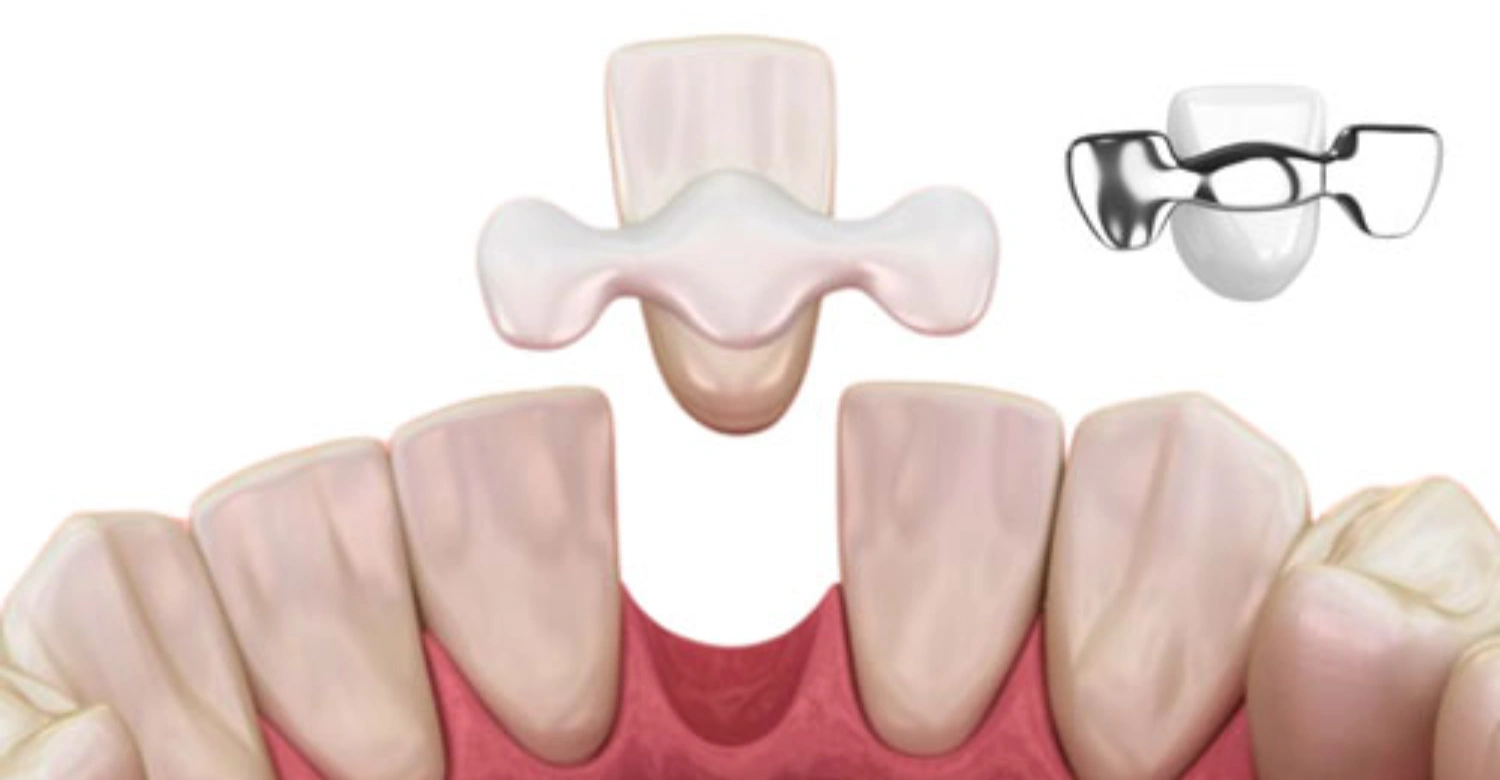
Losing a front tooth changes more than your smile in photographs. It affects how you bite into food, how clearly you speak, and how confident you feel in ordinary conversation. Yet many patients hesitate over replacement because they assume every option means major drilling or surgery. A Maryland bridge offers a gentler middle path. If you are exploring ways to replace a missing tooth with a dental bridge in Richmond, this conservative, bond-in-place option deserves a serious look, especially for a single front tooth where preserving healthy enamel matters most.
What Exactly Is a Maryland Bridge?
A Maryland bridge is a fixed replacement tooth with a difference. Instead of covering the neighbouring teeth with full crowns, it holds an artificial tooth, called a pontic, in the gap using thin wings bonded to the backs of the teeth on either side. Because those wings attach behind the teeth, they are hidden from view when you smile. The bridge is named after the University of Maryland, where this resin-bonded technique was developed, and decades of refinement in bonding materials and wing design have made modern versions considerably stronger and more reliable than the earliest attempts patients may read about online.
Why Dentists Call It a Resin-Bonded Bridge
The alternative name, resin-bonded bridge, describes exactly how it stays in place. A strong dental resin cement bonds the metal or ceramic wings to prepared enamel, creating a secure attachment without reshaping the supporting teeth into crowns. Modern versions often use zirconia or other tooth-coloured ceramics rather than visible metal, so the wings blend more naturally and avoid the grey shadow older metal frameworks sometimes showed through thin front teeth. The entire philosophy is minimal intervention: maximum hold from bonding science, minimum removal of your own healthy tooth structure, and a result you can reverse or upgrade later if your plans change.

How the Treatment Works, Step by Step
Assessment, Shading, and Preparation
Treatment begins with an examination of the gap, the neighbouring teeth, and your bite. Bonding needs sound enamel, so your dentist checks that the supporting teeth are healthy, unrestored or lightly restored, and strong enough to hold the wings. Photographs, scans, and shade matching follow, so the replacement tooth is designed to match its neighbours in colour, shape, and size. Preparation is deliberately minimal: often just gentle roughening or slight reshaping of the back surfaces of the supporting teeth, frequently without any anaesthetic at all. Impressions or digital scans then go to the laboratory, where your bridge is made precisely for your mouth.
Fitting Day and the First Weeks
At the fitting appointment, your dentist tries the bridge in place, checks the bite and appearance carefully, and adjusts anything that feels off before bonding it permanently. Once you are both happy, the wings are bonded with resin cement and the excess is cleaned away. Most patients eat normally the same day, though it is sensible to be gentle with very hard or sticky foods at first. A review visit lets your dentist confirm the bond, the bite, and your cleaning routine. Any early awareness of something new in your mouth usually fades within days as your tongue adapts.
Who a Maryland Bridge Suits Best
Front Teeth, Young Patients, and Preserving Enamel
This treatment shines in specific situations. It is an excellent conservative tooth replacement for a single missing front tooth, where biting forces are lower than on back molars and appearance matters most. It suits younger patients whose jaws are still developing and who may want an implant later, because nothing irreversible is done to neighbouring teeth in the meantime. It also helps patients who cannot, or prefer not to, have implant surgery for medical, financial, or personal reasons. Healthy supporting teeth with plenty of enamel are the key requirement, which is why a thorough assessment matters more than enthusiasm alone.
Maryland Bridge vs Dental Implant and Traditional Bridges
Understanding Maryland bridge vs dental implant options comes down to trade-offs. An implant replaces the root as well as the crown, needs no support from neighbours, and can last decades, but it involves surgery, healing time, and higher cost. A traditional bridge is strong and well proven, yet it requires the neighbouring teeth to be filed down for crowns, which is a permanent commitment for otherwise healthy teeth. A Maryland bridge avoids both surgery and heavy drilling, is usually quicker and more affordable, but depends on bonding and is not the strongest choice for back teeth or heavy bites.
Longevity follows the same pattern. Implants generally outlast bridges, traditional bridges often outlast bonded ones, and a Maryland bridge that debonds can frequently simply be rebonded, which softens that disadvantage considerably. The right comparison is not which option wins in general, but which fits your tooth, bite, timeline, and budget. Discussing those factors openly with a dentist in Richmond TX gives you a recommendation based on your mouth rather than averages, and you can revisit the decision later because this option keeps future choices open.
Living With Your Bridge: Care and Longevity
Daily care is refreshingly ordinary. Brush twice a day as normal, and clean carefully around and under the replacement tooth using floss threaders, interdental brushes, or a water flosser to remove plaque the brush cannot reach. Regular check-ups let your dentist test the bond, watch the supporting teeth, and catch small issues early. Avoid using the bridged tooth as a tool for opening packaging or biting pens, and mention any grinding habit, because a night guard can protect the bond while you sleep. Treated kindly, many Maryland bridges serve comfortably for years without any intervention at all.
What It Feels Like Day to Day
Patients often ask whether a bonded bridge feels different from a natural tooth, and for most people the honest answer is barely, and only at first. The wings sit on the backs of the neighbouring teeth, so your tongue may notice a slightly smoother, flatter surface for a few days. Speech is rarely affected for more than a short adjustment period, because the shape facing your tongue changes only subtly. Eating feels normal once you have confidence in the bond, and because there is nothing removable to take out at night, the bridge simply becomes part of your routine rather than a daily reminder that a tooth is missing.
Limitations Worth Knowing Honestly
No treatment is right for everyone, and honesty helps you choose well. The bond can occasionally loosen, particularly if the bite is heavy, the supporting teeth are short, or the gap spans more than one tooth. Maryland bridges are therefore rarely recommended for back teeth, large gaps, or patients with significant bite problems or badly damaged neighbouring teeth. If debonding happens repeatedly, your dentist may suggest a traditional bridge or implant instead. Starting with a Maryland bridge in Richmond keeps that door open, because so little tooth structure is altered. To find out whether your gap is suitable, look over Maryland bridge treatment details and book an assessment to discuss the most conservative plan for your smile and long-term dental health overall.
Frequently Asked Questions
How long does a Maryland bridge last?
With good care, a Maryland bridge commonly lasts five to ten years or longer, although the bonding can occasionally loosen, in which case your dentist may be able to rebond it promptly.
Does getting a Maryland bridge hurt?
Treatment is usually comfortable because neighbouring teeth need little or no drilling, so many patients need no anaesthetic at all, though mild sensitivity afterwards is possible and normally settles within a few days.
Am I a good candidate for a Maryland bridge?
Good candidates have one missing front tooth, healthy neighbouring teeth with strong enamel for bonding, a stable bite, and good oral hygiene, while larger gaps or heavy grinding may suit other options better.
 Turkish
 English
 Arabic
 French
 Spanish
 Portuguese
 Deutsch
 Dutch
 Italiano
 Russian
 Romaian
 Portuguese (Brazil)
 Greek