


Access Control System Solution UAE: Smart Security for Modern Properties
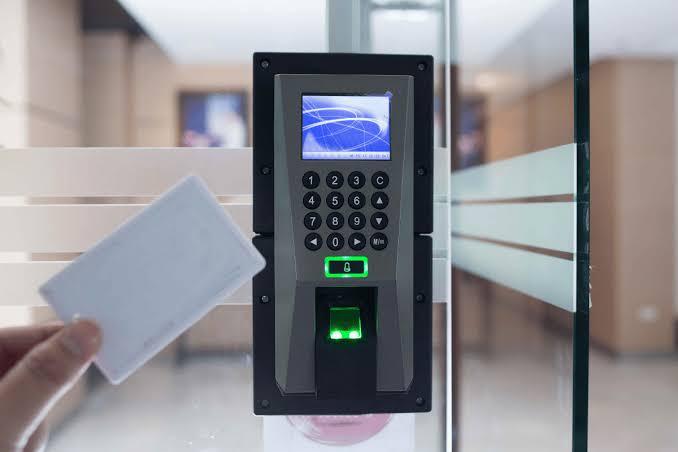
Managing access to buildings, offices, and restricted areas is an important part of maintaining a secure environment. Businesses and property owners need reliable ways to control who can enter their premises, protect valuable assets, and manage daily movement. A professional Access control system solution UAE helps organizations establish controlled entry points using electronic readers, access cards, biometric devices, and smart locking mechanisms. These systems can be customized for commercial buildings, residential properties, warehouses, healthcare facilities, and industrial sites. By combining suitable hardware with intelligent access management software, property owners can improve security while making entry procedures more organized and convenient. A carefully designed system also allows administrators to assign permissions, manage authorized users, and review available access records according to their operational requirements.
What Is an Access Control System?
An access control system is a security solution that determines who is permitted to enter a specific door, room, building, or restricted area. Instead of depending entirely on traditional keys, electronic systems verify credentials before allowing access.
These credentials may include RFID cards, PIN codes, fingerprints, facial recognition, or supported mobile applications. When an authorized credential is presented, the reader communicates with a controller that checks the user's permissions and activates the appropriate locking mechanism.
Access control systems can be installed at individual doors or expanded across multiple floors and buildings. Depending on the selected platform, administrators may manage users, create access schedules, and review entry events through centralized software.
Why Access Control Is Important in the UAE
The UAE includes a wide range of commercial and residential environments, from small offices and retail outlets to large industrial facilities and managed communities. Each property has different security needs, making controlled access an important consideration.
An access control system helps organizations determine which people can enter specific areas and when access is permitted. For example, employees may be authorized to enter the main office during working hours, while sensitive rooms remain restricted to selected personnel.
These systems can also simplify access management when staff members change roles or leave an organization. Administrators can update or revoke electronic permissions without replacing conventional keys for every affected entrance.
For residential buildings, access control can help manage entry into shared facilities, parking areas, and designated building entrances. The final configuration should always reflect the property's security requirements and applicable safety rules.
Different Types of Access Control Systems
Selecting the right technology depends on the number of users, security expectations, property layout, and preferred method of authentication.
Card and RFID Access Control
Card-based systems allow authorized individuals to enter by presenting a registered access card or key fob to a compatible reader. These systems are commonly used in offices, apartment buildings, schools, and commercial facilities.
Administrators can assign different permissions to different users and deactivate lost credentials when supported by the system. Card access is often convenient for locations with many employees or visitors who require controlled entry.
However, cards and fobs can be shared or misplaced. Organizations with higher security requirements may choose additional verification methods.
Biometric Access Control
Biometric systems verify identity through characteristics such as fingerprints or facial features. They can be useful in workplaces where access needs to be associated more directly with an individual.
Fingerprint readers are often considered for office entrances and restricted rooms, while facial recognition terminals can provide contactless verification at busy entrances. Performance depends on the device, environmental conditions, and configuration.
Because biometric information is sensitive, organizations should evaluate privacy safeguards and applicable data protection requirements before implementation.
Keypad and Mobile Access Systems
Keypad systems use PIN codes to control entry. They may be suitable for small offices, service entrances, and selected residential applications.
Mobile access systems allow compatible smartphones to function as credentials through supported applications or communication technologies. These options can provide convenience for authorized users while reducing the need for physical cards.
Each credential type has different advantages, so the selection should be based on the location, user requirements, and required level of security.
Essential Features of a Modern Access Control Solution
A well-designed access control system should provide reliable entry management while remaining practical for everyday use. Modern platforms can offer several capabilities that support security administration.
Two important features include:
-
Centralized access management: Administrators can register users, assign permissions, establish schedules, and revoke credentials through compatible management software.
-
Integration with security equipment: Compatible systems can connect with CCTV cameras, electronic locks, alarms, visitor management platforms, and attendance software.
Additional features may include temporary visitor credentials, multi-door administration, event reporting, and remote management. Larger organizations may benefit from centralized administration across multiple buildings or business locations.
Before selecting a system, property owners should confirm that the readers, controllers, locks, software, and network infrastructure are compatible. They should also consider what happens during a power failure or network interruption.
Applications Across Different Industries
Access control systems support security and operational requirements across many sectors in the UAE.
Corporate Offices
Businesses can restrict access to meeting rooms, management offices, server rooms, and departments that handle confidential information. Different access levels help ensure that employees can enter only the areas relevant to their responsibilities.
Residential Buildings and Villas
Residential access systems can control selected doors, gates, shared facilities, and parking entrances. Depending on the requirements, residents may use access cards, PINs, biometric readers, or compatible smart locks.
Warehouses and Industrial Facilities
Warehouses and industrial sites often contain valuable stock, machinery, equipment, and restricted working areas. Access control helps managers regulate entry for employees, contractors, and authorized visitors.
Healthcare and Educational Facilities
Hospitals, clinics, schools, and training centers may use access control to protect staff-only rooms, administrative offices, laboratories, storage areas, and other restricted locations. System design should account for the movement of authorized users and emergency access requirements.
Professional Installation and System Configuration
Correct installation is essential for ensuring that an access control system operates reliably. A typical setup may include readers, door controllers, electronic locks, exit buttons, power supplies, cabling, and management software.
The process begins with a site assessment to identify the doors requiring protection and determine the number of users. The installer then recommends suitable equipment and plans how the components will work together.
After installation, user credentials and access permissions are configured according to the property's requirements. Each controlled entrance should be tested to confirm that authorized users can enter and that the system responds appropriately to invalid credentials.
Installation planning must also consider emergency exits, fire-safety requirements, and safe door operation. Electronic locks should never interfere with required emergency egress arrangements.
Integrating Access Control With CCTV and Attendance Systems
Combining access control with other security technologies can help organizations manage their premises more efficiently. When compatible systems are integrated, access events may be associated with relevant camera footage, making it easier for authorized personnel to investigate specific incidents.
For example, if an access event occurs at a restricted entrance, security staff may be able to review the corresponding CCTV footage. The available functionality depends on the selected cameras, access platform, and integration software.
Access control may also integrate with employee attendance applications. This can help organizations use supported entry events for attendance reporting, although access logs and formal attendance records are not necessarily interchangeable.
Before implementing integrations, businesses should check compatibility, user permissions, data protection measures, and ongoing maintenance requirements.
Choosing the Right Access Control Provider
Selecting a suitable provider is an important step in developing a dependable security system. An experienced installer should understand the property's layout, identify security priorities, and recommend equipment that matches the intended application.
When evaluating service providers, consider these two factors:
-
Technical expertise and customization: Choose a provider that can assess your site, recommend suitable access technologies, and configure permissions according to your operational needs.
-
Maintenance and after-sales support: Ask about troubleshooting, software updates, warranty coverage, replacement components, and technical assistance after installation.
A clear quotation should explain the equipment, installation work, configuration, and any ongoing maintenance charges. Businesses should also verify whether particular building approvals or local authority requirements apply to their project.
Why Choose Jesr Al Fasht Security Devices Fix?
Jesr Al Fasht Security Devices Fix focuses on security solutions designed to support the access management needs of residential and commercial properties. Choosing an appropriate system requires an understanding of entry points, user permissions, equipment compatibility, and the property's daily operations. A carefully planned installation can help property owners establish organized entry procedures and improve control over restricted areas. Selecting suitable readers, electronic locks, and compatible management software is also important for long-term reliability. Property owners should consider installation quality, system testing, technical support, and regular maintenance when planning an access control project. A solution tailored to the property's requirements can provide practical security benefits while supporting convenient daily access for authorized users.
Conclusion
An access control system provides a practical way to manage entry, protect restricted areas, and organize security procedures across residential and commercial properties. From RFID cards and biometric readers to smart locks and centralized administration, different technologies can address different security requirements. Choosing a professional Access control system solution UAE helps property owners identify suitable equipment, establish appropriate access permissions, and integrate compatible security technologies. With proper installation, careful configuration, and regular maintenance, an access control system can become a valuable part of a property's overall security infrastructure.
Frequently Asked Questions
1. What is an access control system used for?
An access control system regulates who can enter specific doors or areas. It uses credentials such as cards, PINs, fingerprints, facial recognition, or compatible mobile devices to verify authorized access.
2. Can access control systems integrate with CCTV cameras?
Yes. Compatible systems can connect access events with CCTV footage, helping authorized personnel review activity associated with particular entrances.
3. Are access control systems suitable for small businesses?
Yes. Small businesses can begin with a single-door system and expand to additional entrances as their operational and security requirements grow.
4. How often should an access control system be maintained?
Maintenance requirements depend on the equipment and installation environment. Regular checks should include readers, electronic locks, controllers, power supplies, software, and user permissions.
 Romaian
 English
 Arabic
 French
 Spanish
 Portuguese
 Deutsch
 Turkish
 Dutch
 Italiano
 Russian
 Portuguese (Brazil)
 Greek