


How Does Facial Recognition Technology Work? Uses, Benefits, and Limitations
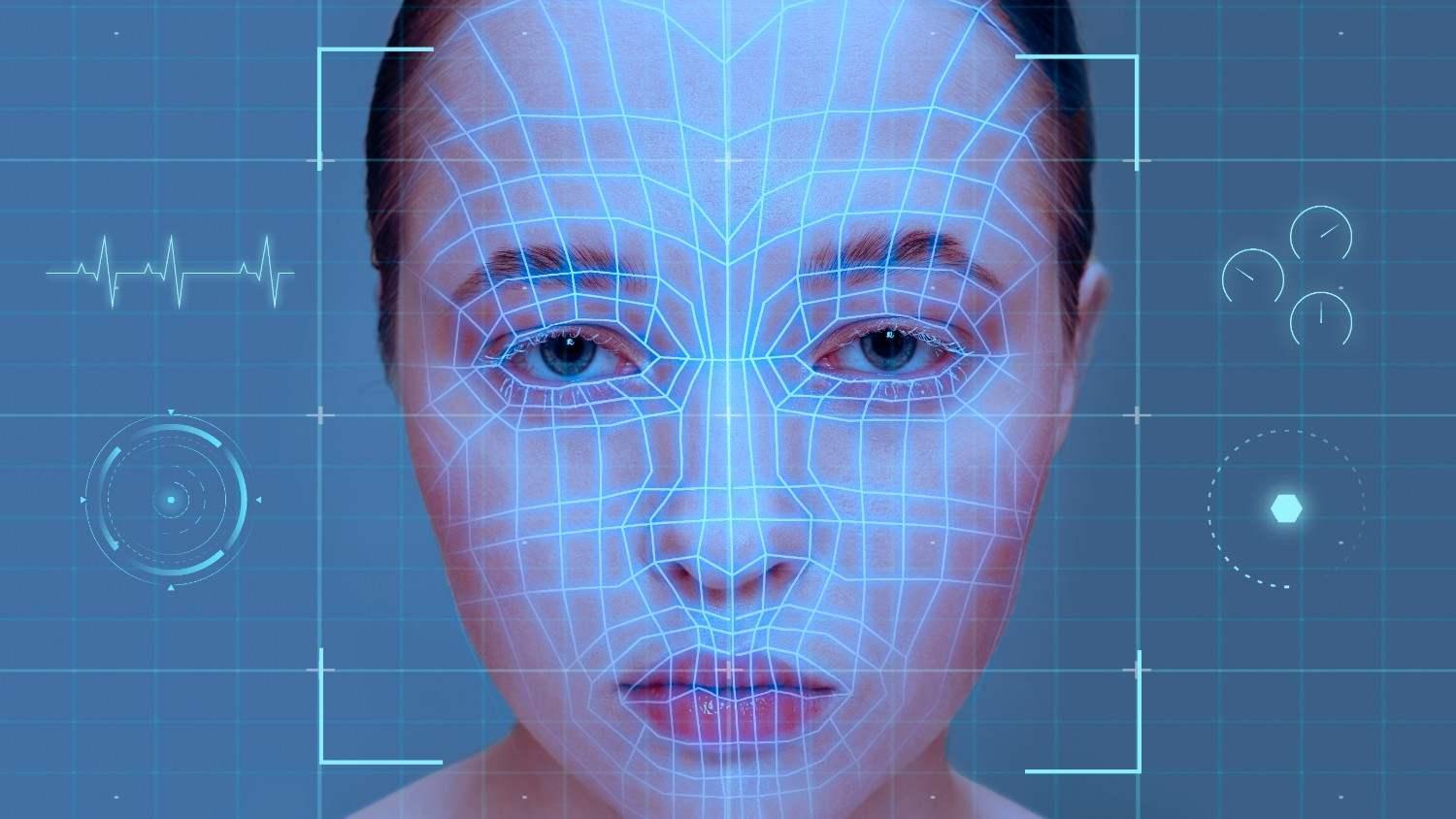
Have you ever wondered how technology can analyze a face in seconds and find similarities between pictures? Facial recognition services use technology to analyze faces and compare pictures for various purposes, such as verification or similarity checks. But not all services provide the same service, which means that it is necessary to learn their peculiarities before using them.
This guide will tell you about the process of facial recognition, possible applications of this technique, and limitations for users. Besides, it will show you the difference between facial comparison and DNA tests.
What Is a Facial Recognition Service?
A facial recognition service is a technological means that works on the basis of the analysis of facial images in order to identify a person or analyze their facial features.
Thus, for instance, it can be used to identify an individual, to find a match in the database, or to evaluate the visual similarity of two faces. In the first case, a surveillance system, for instance, will compare a face with the face of a registered user. At the same time, another user, who is interested in similarity with a certain relative, can compare faces and assess the similarity of their eyes, noses, and facial proportions.
Despite the fact that similar technologies are applied in these two tasks, their goals are quite different.
How Does Facial Recognition Technology Work?
Most modern facial recognition systems follow several general steps to analyse and compare faces.
First, the software detects a face. It identifies the facial region within a photograph or video, even when the image contains other objects.
Next, it analyses facial characteristics. The system may locate landmarks around the eyes, nose, mouth, and jaw. More advanced systems use machine learning to convert facial information into numerical representations.
Finally, it compares the information. Depending on the system, the software calculates a similarity score or determines whether the images meet a predefined matching threshold.
For example, two photographs taken under different lighting conditions may still produce a match if the system can recognise their underlying facial patterns. However, poor image quality, extreme angles, facial coverings, and changes in appearance can affect the result.
A high similarity score does not automatically guarantee that two photographs show the same person. Results must be interpreted according to the system's intended purpose and reliability.
Common Uses and Benefits of Facial Recognition
Facial recognition technology is useful in several real-world and business applications. Facial recognition technology can be used by banks and other financial institutions for customer identification purposes. The technology can also be used to authenticate the identity of users on smartphones when unlocking their phones.
The application also includes access control, facial recognition, and investigation based on comparison of photos. Some applications also allow users to perform facial similarity testing, which helps to see any visible similarities between two faces without necessarily knowing who those individuals are.
Convenience is the biggest advantage of these applications since automation will help to find patterns in images that might not be evident in manual processes. But this comes with certain responsibilities. Mistaken identification due to wrong matching and possible privacy issues because of the collection and storing of facial images are some of the risks associated with the application of the technology.
Facial Recognition vs. a Face Matching DNA Alternative
The purpose of facial analysis and DNA testing is different from each other. The former deals with physical characteristics, while the latter involves examination of the genes for assessment of biological relationship or any other genetic information within the scope of the testing process.
While a facial recognition analysis service could conclude that two persons bear a resemblance in their facial features, this does not mean that these persons are related biologically. Non-related individuals can be physically alike, while closely related people might look very different in terms of physical appearance.
This is why a face-matching DNA alternative to DNA testing using photographs can never be considered scientific proof of parentage. In case of the need to prove a biological relationship, DNA testing becomes a more appropriate choice. Prior to analyzing the outcomes of a facial analysis program, one has to realize its purpose: assessing physical appearance and not the genetic relationship. Facial comparison tools, such as those associated with Face DNA Test in Fort Worth, Texas, analyse visible similarities between facial features rather than establish biological relationships.
Conclusion
A facial recognition service will be helpful in identifying faces, comparing images, and analyzing facial patterns that are visible. The effectiveness of these tools is determined by the technology, image quality, and purpose of use.
However, privacy issues and possible inaccuracies should not be overlooked. First of all, one should clearly understand what exactly is needed: an identity check or only a comparison of images. Moreover, one should look through the limitations of the service and its privacy policy.
 Dutch
 English
 Arabic
 French
 Spanish
 Portuguese
 Deutsch
 Turkish
 Italiano
 Russian
 Romaian
 Portuguese (Brazil)
 Greek