


Sign Works: Commercial Signage Installation Services for Professional Business Environments
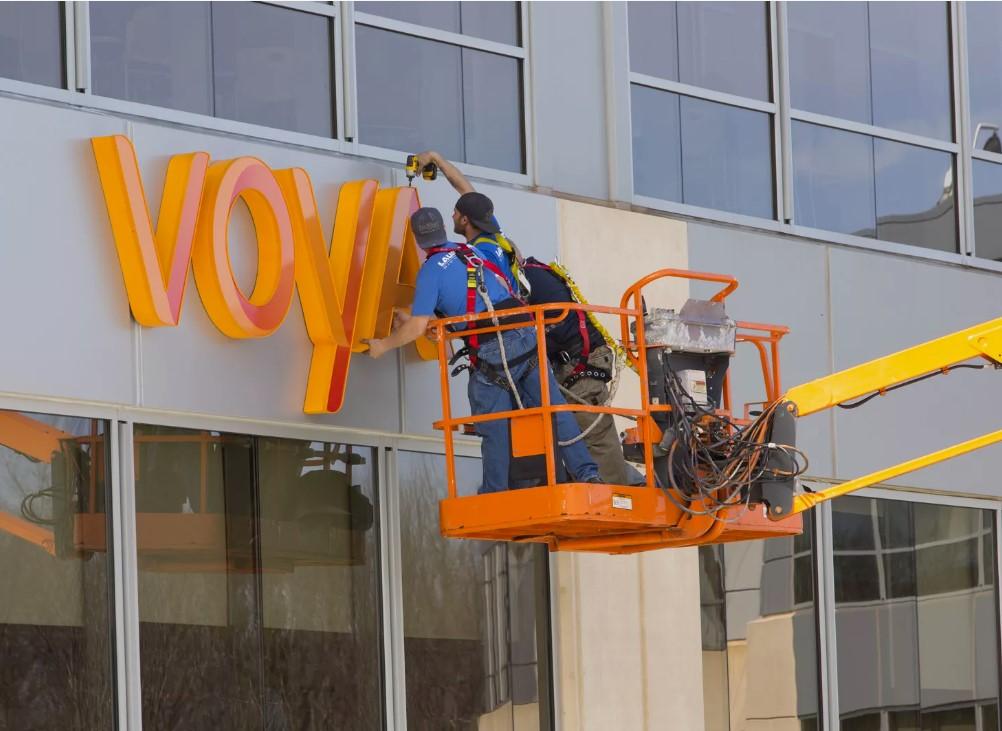
A well-designed sign can help customers identify a business, find its entrance, and understand what the company offers. However, even a high-quality sign may fail to deliver the desired results if it is installed in the wrong location or positioned without considering visibility, safety, and the surrounding building. Sign Works provides signage and visual branding solutions for businesses in Fort St. John and the surrounding Peace Region. For companies looking to improve their storefronts, commercial properties, and brand presentation, professional installation is an important part of creating a consistent and reliable visual identity.
Commercial Signage Installation Services help businesses display their signs securely, clearly, and appropriately for their intended environment. From exterior building signs and storefront lettering to illuminated displays and directional signage, every installation requires careful planning. Factors such as building structure, mounting surfaces, viewing distance, weather exposure, and local requirements can influence the installation process. By considering these details before work begins, businesses can create signage that supports their daily operations while presenting a professional image to customers, employees, and visitors.
Why Professional Sign Installation Matters
Commercial signs often serve as the first point of visual contact between a business and its audience. A sign that is difficult to see, unevenly mounted, or poorly positioned can reduce the effectiveness of the overall design. Professional installation focuses on placing the sign where people can recognize it easily while ensuring that it is suitable for the building and surrounding environment. Careful alignment, appropriate mounting methods, and attention to detail help create a finished appearance that reflects positively on the business.
Choosing Commercial Signage Installation Services also helps businesses address practical considerations before a sign is mounted. Installers may need to assess wall materials, mounting points, electrical access, available clearance, and the weight of the sign. Larger displays and illuminated signs may require additional planning or specialized equipment. Businesses should also confirm whether permits, property-owner approval, or other local permissions are necessary. Addressing these requirements early can help prevent avoidable delays and support a smoother installation process.
Planning Sign Installation for Commercial Properties
Successful installation begins with understanding the property and the purpose of the sign. A retail storefront, office building, warehouse, and industrial facility each have different requirements. A storefront sign needs to attract attention without overwhelming the building's appearance, while an office directory should help visitors locate the correct department. Industrial properties may need clear identification signs and directional displays that remain visible across larger areas. Planning the installation around these specific needs helps ensure that each sign serves a practical purpose.
Businesses considering Commercial Signage Installation Services should review the proposed location before scheduling the work. Important details include the distance from the road or pedestrian walkway, surrounding structures, lighting conditions, and potential obstructions. For properties with multiple entrances, signs should be positioned to help customers navigate the site logically. Reviewing the layout in advance can also identify potential access challenges, mounting limitations, or conflicts with existing building features. A well-planned installation supports both visibility and the everyday usability of the property.
Storefront Signs and Building Identification
Storefront signs help customers recognize businesses in shopping areas, commercial plazas, and busy streets. Clear lettering, appropriate proportions, and accurate placement allow people to identify a business without unnecessary confusion. Depending on the building and brand, a company may choose dimensional letters, exterior panels, logo signs, or illuminated displays. The installation should complement the building's design while keeping the business name visible from relevant viewing angles.
For this reason, Commercial Signage Installation Services should account for more than simply attaching a sign to a wall. Installers need to consider the surface condition, mounting method, sign dimensions, and alignment with architectural features. Signs installed too high, too low, or behind obstructions may be less effective than expected. In shared commercial properties, businesses should also consider landlord guidelines and existing signage standards. A carefully installed storefront sign helps establish a recognizable presence and makes the business easier for customers to find.
Exterior Signage and Northern British Columbia Weather
Outdoor signs must withstand the environmental conditions of their installation location. In Fort St. John and other communities across Northern British Columbia, snow, wind, rain, freezing temperatures, and seasonal changes can place additional demands on exterior signage. The suitability of mounting hardware, sign materials, and installation methods is therefore especially important. Signs should be selected and installed according to the manufacturer's requirements and the conditions they are expected to experience.
Businesses investing in Commercial Signage Installation Services should discuss weather exposure and long-term durability during the planning stage. Exterior installations may require suitable corrosion-resistant hardware, secure mounting systems, and appropriate protection for electrical components. The structure supporting a large sign must also be suitable for the expected loads and site conditions. Where engineering assessments or permits are required, these should be addressed before installation. Considering local conditions from the beginning helps businesses make informed decisions about the reliability and maintenance of their signage.
Illuminated Signs and Electrical Considerations
Illuminated signs help businesses remain visible during evening hours and in locations where natural light is limited. Options may include internally illuminated sign cabinets, illuminated lettering, and other lighting systems suited to commercial applications. These displays can improve nighttime identification and support a consistent brand appearance. Their effectiveness depends on appropriate brightness, clear lettering, and positioning that allows people to view the sign without unnecessary glare.
When arranging Commercial Signage Installation Services for illuminated displays, businesses should consider electrical access, wiring protection, mounting requirements, and safe maintenance access. Electrical work should be completed by qualified professionals where required, and installations must follow applicable electrical codes and local regulations. The sign's lighting should also be checked after installation to confirm that it operates as intended. Proper coordination between sign installation and electrical work helps reduce problems and supports the safe operation of illuminated signage.
Directional and Safety Signs for Business Facilities
Commercial properties often need more than a sign displaying the company name. Directional signs can guide customers toward entrances, reception areas, parking spaces, delivery zones, and other important locations. Inside larger buildings, room identification and directory signs help visitors navigate unfamiliar spaces. Industrial facilities may also need notices that communicate site restrictions, operational instructions, and safety requirements.
Appropriate Commercial Signage Installation Services help ensure that these signs are positioned where their intended audiences can see and understand them. A directional sign hidden behind equipment or placed after a decision point may not provide useful guidance. Safety signs require particular attention to visibility, placement, wording, and applicable standards. Businesses should identify which signs are mandatory and ensure that installation does not obstruct emergency routes or other critical information. A coordinated signage layout can improve navigation and help create a more organized commercial environment.
Maintaining Signs After Installation
Sign installation is not the final step in maintaining an effective business display. Exterior signs can accumulate dirt, experience weather-related wear, or develop loose mounting components over time. Illuminated signs may also require inspections of electrical connections and lighting components. Periodic checks help businesses identify problems early and keep their signage looking presentable. Maintenance needs vary according to the sign type, material, location, and exposure to environmental conditions.
Reliable Commercial Signage Installation Services should take future access and maintenance into account when planning the original installation. Signs that are difficult to reach may require additional arrangements for cleaning, inspections, or repairs. Businesses should follow manufacturer guidance and arrange qualified assistance for work involving electrical systems or elevated installations. Reviewing the condition of signs regularly can help identify fading, damage, loose hardware, and outdated information. Keeping signage in good condition supports a consistent business image and helps preserve the value of the original investment.
Conclusion
Commercial signage helps businesses communicate their identity, improve property visibility, and guide customers through their facilities. However, the effectiveness of a sign depends on more than its design. Proper site assessment, secure mounting, suitable materials, appropriate placement, and compliance with relevant requirements all contribute to a successful result. Businesses that plan these details carefully can create signage that supports their branding and everyday operations.
Sign Works serves businesses in Fort St. John and the surrounding Peace Region with signage and visual branding solutions. Whether a company needs storefront identification, exterior building signs, illuminated displays, or directional signage, it is important to consider installation requirements from the beginning. Choosing appropriate Commercial Signage Installation Services helps businesses approach their signage projects with greater attention to visibility, durability, and practical performance, creating a professional appearance that serves customers and employees over time.
 Spanish
 English
 Arabic
 French
 Portuguese
 Deutsch
 Turkish
 Dutch
 Italiano
 Russian
 Romaian
 Portuguese (Brazil)
 Greek