


O.N. Point Pressure Washing: Graffiti and Paint Removal in Fort Worth for Cleaner Surfaces
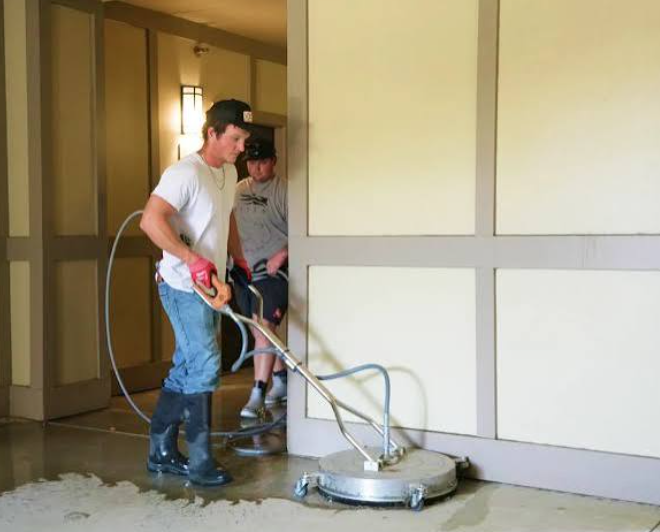
Unwanted graffiti and paint marks can quickly affect the appearance of a residential or commercial property. A painted wall, tagged storefront, stained concrete walkway, or marked brick surface may look neglected even when the rest of the property is carefully maintained. For business owners, visible graffiti can also influence customers' first impressions. Homeowners may face similar concerns when paint splashes, vandalism, or unwanted markings appear on fences, walls, driveways, and other exterior surfaces.
Professional graffiti and paint removal in Fort Worth can help restore the appearance of suitable surfaces by removing or reducing unwanted markings. However, successful removal requires more than applying high-pressure water. The right method depends on the surface material, the type of paint, how long the marking has been present, and whether the original finish is already damaged.
O.N. Point Pressure Washing provides exterior cleaning services for residential and commercial properties throughout Fort Worth and surrounding Dallas-Fort Worth communities. Understanding the available removal methods, common challenges, and steps involved in professional cleaning can help property owners choose an appropriate solution without risking unnecessary surface damage.
Why Prompt Graffiti and Paint Removal Matters
Graffiti can appear on a wide range of exterior surfaces, including concrete walls, brickwork, fences, garage doors, commercial storefronts, and public-facing structures. Spray paint and other coatings may be difficult to remove because they can adhere strongly to porous materials. Concrete and brick are particularly challenging because paint can penetrate small openings and uneven textures.
Addressing unwanted markings promptly may make removal easier in some situations. Fresh paint may respond differently from older paint that has cured, weathered, or penetrated the surface. However, the best approach still depends on the material and the type of coating involved.
For commercial properties, prompt cleaning can help maintain a professional appearance. Storefronts, office buildings, retail centers, and other customer-facing locations benefit from consistent exterior maintenance. Residential property owners may also want to remove graffiti to keep walls, fences, and other visible areas looking presentable.
It is important to recognize that cleaning cannot always return a surface to its original condition. Older paint, deeply absorbed pigments, faded finishes, and previous damage may leave some discoloration behind. A professional assessment helps establish realistic expectations before the removal process begins.
Common Surfaces That Need Graffiti and Paint Removal
Different materials react differently to paint removers, cleaning solutions, and pressure. Identifying the surface correctly is an essential first step.
Concrete Walls, Driveways, and Walkways
Concrete is commonly found around homes, parking areas, commercial buildings, and service entrances. Unfortunately, its porous structure can make graffiti difficult to remove completely. Paint may settle into the small pores and textured areas rather than remaining only on the surface.
Professional cleaning may involve a compatible paint-removal product, controlled pressure washing, or a combination of techniques. The process should account for the age and condition of the concrete, including cracks, previous repairs, decorative coatings, and signs of surface deterioration.
Using excessive pressure can etch concrete or create visible cleaning marks. In some cases, the removal process may lighten the surrounding area, making the treated section look different from the rest of the wall. Testing a small, inconspicuous area first can help determine how the material responds.
Brick and Masonry
Brick and masonry can be particularly sensitive to aggressive cleaning. Paint may enter the pores of the brick and collect in mortar joints, making complete removal challenging. Older brickwork may also have weakened mortar or a fragile outer surface that can be damaged by excessive pressure.
A suitable removal method should account for both the brick and the mortar. Depending on the material and paint type, a specialized cleaner and gentle rinsing may be more appropriate than a strong, direct water stream.
Property owners should avoid assuming that every brick wall can tolerate the same treatment. Historic masonry, weathered brick, and previously repaired surfaces may require additional care. The objective is to reduce the unwanted paint while preserving the integrity of the original material.
Painted Walls, Siding, and Fences
Graffiti or accidental paint marks may appear on painted walls, vinyl siding, metal fences, and wooden structures. These surfaces can be more difficult to treat because the original finish may be affected by the same products used to remove the unwanted paint.
For example, a strong solvent might soften the existing coating along with the graffiti. High pressure can strip paint, damage wood fibers, or force water behind vulnerable siding. The appropriate approach depends on whether the surface is bare, painted, sealed, or otherwise coated.
Before cleaning begins, identify the original finish if possible and explain whether the surface has been repainted recently. This information helps determine which treatment options may be suitable and whether repainting part of the surface could be a more practical alternative.
How Professional Graffiti Removal Works
There is no single removal method that works for every type of paint and surface. A careful process starts with evaluating the problem and selecting a technique based on the material rather than automatically using maximum pressure.
Step One: Inspect the Surface
The first step is to identify the surface material, the condition of its finish, and the type of marking that needs to be removed. Spray paint on concrete may require a different treatment from paint on a painted metal door or brick wall.
The inspection should also identify nearby landscaping, windows, signage, electrical components, and pedestrian areas that may need protection. Existing cracks, loose mortar, peeling paint, or damaged coatings should be considered before work begins.
Step Two: Choose a Suitable Treatment
Depending on the surface, graffiti removal may involve a compatible cleaning solution, a specialized paint remover, controlled pressure washing, or another appropriate method. Some treatments work by loosening the paint so it can be rinsed away more effectively.
The product must be suitable for the material and used according to its instructions. Incompatible chemicals can discolor surfaces, damage finishes, or create hazards for people and nearby landscaping. The strongest cleaner is not necessarily the best option.
Step Three: Test and Remove the Paint
Testing a small area can reveal whether the selected method removes the paint without causing visible damage. If the test produces discoloration, etching, or damage to the original coating, the approach may need to be adjusted.
Once a suitable method is established, the affected area can be treated carefully. Several controlled passes may be more appropriate than one aggressive attempt. Deeply embedded paint may require additional treatment, and complete removal cannot be guaranteed for every surface.
Step Four: Rinse and Inspect
After treatment, the surface should be rinsed appropriately and checked for remaining paint, residue, or changes to the original finish. The surrounding area should also be reviewed to ensure that removed paint and cleaning products have been managed responsibly.
If some discoloration remains, further treatment should be considered carefully. Repeated aggressive cleaning can cause more damage than leaving a small amount of residual staining. In certain cases, repainting or applying a compatible coating may offer a better final appearance.
Pressure Washing Versus Chemical Paint Removal
Pressure washing can be useful for removing loosened paint and cleaning suitable durable surfaces. However, water pressure alone does not always remove paint that has bonded strongly to a porous material. Increasing pressure repeatedly may damage concrete, brick, mortar, wood, or painted finishes.
Chemical paint removers are designed to loosen certain coatings so they can be removed more easily. Their effectiveness depends on the paint formulation, the surface material, and the product selected. Some products may be unsuitable for particular materials or require careful containment and handling.
A combined approach may sometimes be appropriate, such as applying a compatible treatment followed by controlled rinsing. The process should be chosen according to the specific conditions rather than assuming one technique is best for every job.
O.N. Point Pressure Washing offers graffiti removal as part of its exterior cleaning services. Property owners can discuss the affected surface, the type of paint, and the extent of the markings to determine which options may be appropriate.
Graffiti Removal for Commercial Properties
Businesses often need to address graffiti on visible areas such as storefronts, exterior walls, parking structures, walkways, and service entrances. Keeping these areas maintained can help support a clean and professional appearance for customers, employees, tenants, and visitors.
Commercial projects may require additional planning because cleaning areas can be close to entrances, parked vehicles, or active pedestrian routes. Scheduling the work during quieter periods may reduce disruption. For larger buildings, the project may be divided into sections so that access can be maintained where practical.
Commercial property managers should also consider the surface material and the age of the paint before choosing a treatment. A painted wall, exposed brick facade, and concrete loading area may require different methods. Clear communication about operating hours, access restrictions, and existing damage helps establish a realistic cleaning plan.
Runoff management is another important consideration. Paint residue, cleaning products, and contaminated water should not be allowed to enter storm drains without appropriate controls. The cleaning provider should discuss suitable containment and disposal procedures when the project involves potentially contaminated runoff.
Residential Graffiti and Paint Removal
Homeowners may need help with graffiti on fences, exterior walls, garage doors, concrete driveways, retaining walls, or other visible surfaces. Accidental paint splashes from home improvement projects can also affect surrounding materials.
The first consideration is whether the unwanted paint can be removed without damaging the original finish. On an unpainted concrete wall, controlled cleaning may be suitable. On a painted fence or vinyl surface, a strong solvent or excessive pressure could damage the underlying coating.
If the surface is already weathered, peeling, or deteriorating, cleaning may expose existing problems rather than solve them. Repairs or repainting may be needed after the unwanted paint is removed. A professional assessment can help determine whether removal, refinishing, or a combination of both is the most practical option.
Before requesting service, take note of the affected surface and estimate the size of the marked area. If you know what type of paint was used, share that information. Photographs can also help communicate the scope of the project.
What Affects the Cost of Graffiti and Paint Removal?
The price of a graffiti removal project depends on several factors. A small marking on an accessible concrete surface may require less work than extensive spray paint across a textured brick wall or a large commercial building.
Common factors include:
-
Surface material: Concrete, brick, metal, wood, and painted siding each have different cleaning requirements.
-
Size of the affected area: Larger markings generally require more time and treatment.
-
Paint type and age: Fresh spray paint may respond differently from old, cured, or layered coatings.
-
Surface condition: Fragile mortar, peeling paint, cracks, or previous repairs may require extra care.
-
Accessibility: High walls, restricted spaces, and areas near busy entrances can affect preparation and equipment needs.
-
Treatment requirements: Specialized products, repeated applications, and additional rinsing may influence the overall cost.
-
Finish restoration: Repainting or applying a protective coating may be a separate project.
When requesting an estimate, describe the surface, explain how much area is affected, and mention how long the paint has been present if you know. Ask whether the estimate covers only removal or also includes any additional treatment that may be needed.
O.N. Point Pressure Washing offers free, no-obligation estimates, allowing property owners to discuss the project before making a decision.
Can Graffiti Be Prevented From Returning?
Removing graffiti restores the appearance of a surface, but it cannot guarantee that the area will remain free of future markings. Prevention strategies may help reduce the time and effort required for subsequent maintenance.
Improving lighting around vulnerable areas can make them less attractive for unwanted activity. Keeping walls and entrances well maintained may also help property owners notice new markings sooner. For commercial buildings, routine inspections can help identify graffiti before it becomes more extensive.
Some surfaces may benefit from a compatible anti-graffiti protective coating. These products vary in how they work, and not every coating is suitable for every material. Before applying one, consider the appearance, breathability, durability, and future cleaning requirements of the surface.
A protective coating should not be treated as a complete solution to vandalism. Its main benefit may be making certain future markings easier to remove. Ask a qualified provider whether the coating is appropriate for the specific wall or structure and how it may affect the original finish.
Why Choose O.N. Point Pressure Washing?
O.N. Point Pressure Washing serves homes and businesses throughout Fort Worth and surrounding Dallas-Fort Worth communities. Its published services include graffiti removal and a range of exterior cleaning options for residential and commercial properties.
Different surfaces require different levels of care, particularly when paint has penetrated porous materials or the original finish is fragile. Discussing the surface type, the age of the marking, and any previous removal attempts helps clarify the project requirements and establish realistic expectations.
Whether you need unwanted paint removed from a concrete wall, graffiti addressed on a commercial exterior, or markings treated on another suitable surface, it is important to choose a method that balances cleaning effectiveness with surface protection. Some stains may require specialized treatment, and a small amount of residual discoloration may remain in certain cases.
O.N. Point Pressure Washing offers free, no-obligation estimates. Visit the official website to review available services and discuss the cleaning needs of your residential or commercial property.
Conclusion
Graffiti and unwanted paint can affect the appearance of residential and commercial properties, particularly when markings are visible on walls, storefronts, fences, concrete, or brickwork. Professional removal can improve the look of suitable surfaces, but the right method depends on the material, paint type, surface condition, and age of the marking.
Professional graffiti and paint removal in Fort Worth should focus on loosening and removing unwanted coatings without causing avoidable damage. Controlled pressure, compatible cleaning products, surface testing, and responsible runoff management can all play an important role in the process. In some situations, repainting or applying a suitable protective coating may be necessary to achieve the desired finish.
O.N. Point Pressure Washing provides graffiti removal and other exterior cleaning services for properties in Fort Worth and nearby Dallas-Fort Worth communities. By describing the affected area and requesting a free, no-obligation estimate, you can explore practical options for restoring a cleaner, more presentable exterior.
 Russian
 English
 Arabic
 French
 Spanish
 Portuguese
 Deutsch
 Turkish
 Dutch
 Italiano
 Romaian
 Portuguese (Brazil)
 Greek