


Warrior Willpower: Sitting Hyperbaric Chamber Buying Guide for Home Use
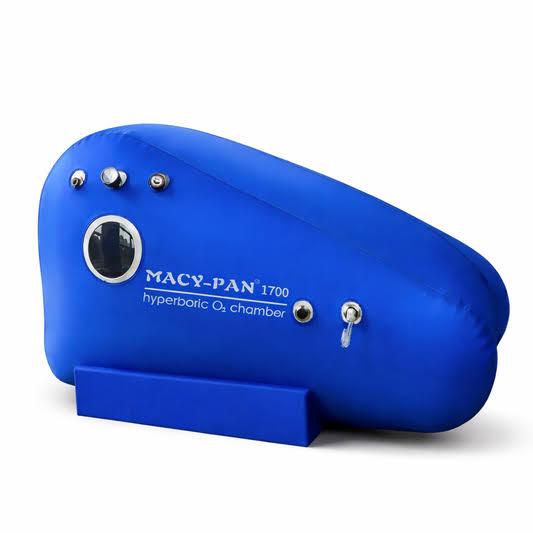
Choosing a sitting hyperbaric chamber involves comparing chamber design, interior dimensions, pressure specifications, supporting equipment, and safety requirements. Unlike a traditional lying chamber, a sitting model is designed around a more upright interior arrangement. This configuration may appeal to buyers who prefer a seated position, but the right choice depends on the exact model, available space, accessibility, and the manufacturer's operating instructions.
Warrior Willpower helps buyers explore hyperbaric chamber options by focusing on practical features and product specifications. Before purchasing a sitting chamber, it is important to understand how the equipment works, which components are included, and what maintenance and safety procedures are required. Buyers should also distinguish between products marketed for personal wellness and equipment used in medically supervised hyperbaric oxygen therapy.
Understanding a Sitting Hyperbaric Chamber
A sitting hyperbaric chamber is an enclosed system designed to operate above normal atmospheric pressure within its specified limits. Its upright layout may include a seat or chair-like interior, an entry opening, viewing windows, pressure gauges, and supporting equipment. Features differ between manufacturers, so buyers should review the dimensions, pressure rating, and intended application of the exact model they are considering.
The seated arrangement can provide a different experience from a horizontal chamber, but it does not automatically make a model more comfortable or suitable for every user. Interior height, seat dimensions, legroom, entry access, and the ability to exit safely all deserve attention. Anyone considering hyperbaric oxygen therapy for a medical condition should consult a qualified healthcare professional before purchasing or using a chamber.
Comparing Sitting and Lying Chamber Designs
A lying chamber provides a horizontal interior for people who prefer to remain stretched out during a session. These models may require more floor length and a suitable area for the chamber and its supporting equipment. Buyers should measure the complete setup and check the entry opening, interior dimensions, and manufacturer's recommendations before deciding whether a horizontal design fits their space.
A sitting hyperbaric chamber offers a more upright arrangement that may better match some users' posture preferences. However, its overall footprint depends on the design, and a sitting model is not necessarily smaller than every lying chamber. Compare the exact measurements, access requirements, and included equipment rather than relying on product photographs. The most appropriate configuration is the one that meets the intended requirements and the manufacturer's specified conditions.
Understanding Pressure Ratings and ATA
Pressure is an important specification when researching a sitting hyperbaric chamber. Buyers may see ratings such as 1.3 ATA, 1.4 ATA, or 1.5 ATA in product information. ATA stands for atmospheres absolute and describes total pressure relative to a standard atmosphere. The operating range, pressure limits, and permitted use should be confirmed in the technical documentation for the exact model.
A particular ATA rating does not automatically establish that a chamber is safer, better built, or more effective for a specific purpose. Suitability depends on the equipment design, oxygen delivery arrangement, operating procedures, and intended application. Buyers should avoid choosing a product based on pressure alone. For medical use, consult a qualified healthcare professional and verify the product's intended purpose and applicable regulatory status.
Evaluating Interior Space and Seating Comfort
Interior dimensions are especially important when selecting a sitting hyperbaric chamber. Buyers should check the available seat width, headroom, legroom, entry clearance, and the space needed to change position comfortably. A chamber may appear spacious in promotional photographs while offering a different amount of usable room in practice. Request accurate measurements and clarify whether the stated dimensions describe the exterior or the usable interior.
Accessibility should also be considered before placing an order. Think about how the user will enter and exit, whether assistance may be needed, and whether the chamber's opening and seating arrangement match their requirements. Ask the supplier to explain the approved entry and exit procedure and any restrictions listed in the user manual. Do not modify the chamber or its seating components without manufacturer approval.
Reviewing Oxygen Delivery and Supporting Equipment
A sitting chamber package may include an air compressor, oxygen concentrator, hoses, pressure gauges, cooling equipment, filters, and other accessories. The precise package depends on the model and seller. Before buying, request an itemized list that identifies the components included in the price and separates them from optional extras. This can help prevent unexpected costs and make product comparisons more accurate.
Chamber pressurization and oxygen delivery are separate functions, and their arrangement varies by design. Ask the supplier to explain how the system works, which accessories are compatible, and what electrical and maintenance requirements apply. Confirm that every component is approved for the exact chamber model. Avoid modifying connections or adding unapproved equipment, and follow the manufacturer's instructions for setup, operation, inspection, and servicing.
Checking Safety Features Before Purchase
Safety should be a primary consideration when evaluating any chamber that operates under pressure. Buyers should ask about pressure monitoring, inflation and deflation controls, pressure-relief mechanisms, emergency procedures, and communication features. The supplier should provide clear operating instructions and explain which inspections are required before use. It is also important to understand what to do if the equipment develops a fault or a component becomes damaged.
Oxygen can increase fire risk because it allows some materials to ignite more readily and burn more intensely. Follow all manufacturer guidance concerning oxygen handling, ignition sources, electrical devices, cleaning, and maintenance. Never smoke near oxygen-related equipment or bypass safety controls. Do not operate a chamber with damaged parts, missing instructions, or unresolved safety concerns. Appropriate training and access to qualified technical support are important considerations for any potential owner.
Comparing Construction and Material Quality
Construction quality can affect the durability, maintenance, and handling of a sitting hyperbaric chamber. Depending on the design, a model may use flexible shell materials or a more rigid structure. Buyers should request details about the materials, seams and closures where applicable, pressure tolerance, inspection requirements, and expected service life. Technical documentation provides a more dependable basis for comparison than appearance alone.
Supporting components also require careful evaluation. Hoses, valves, connectors, gauges, compressors, and oxygen-related equipment must be compatible with the specific system. Ask how wear should be identified, how often inspections are required, and whether replacement parts are available. A supplier should be able to provide clear maintenance instructions and explain the process for obtaining service. Resolve missing technical information before committing to a purchase.
Measuring Your Space for a Sitting Chamber
Although a sitting hyperbaric chamber may have a more upright shape, it still requires adequate room for the chamber and its supporting equipment. Measure the full operating dimensions and allow clearance for hoses, electrical connections, access, inspection, and maintenance. Check doorways, hallways, stairs, and other access points to ensure the packaged equipment can reach the intended installation area.
The room should also meet the manufacturer's requirements for ventilation, temperature, electrical supply, and placement. Ask whether professional installation is recommended and whether it is included in the purchase price. After delivery, inspect the equipment against the order documents and follow the approved setup procedure. If parts are missing or damaged, contact the supplier rather than attempting an improvised repair or operating the chamber before the issue is resolved.
Understanding Price and Long-Term Ownership Costs
The price of a sitting hyperbaric chamber can vary according to its construction, dimensions, pressure rating, included accessories, manufacturer, and warranty coverage. Some listings include a complete equipment package, while others may exclude components that are necessary for the advertised configuration. Buyers should compare the full contents of each offer instead of judging value from the headline price.
Request a written quotation identifying the exact model, included equipment, shipping charges, installation costs, warranty conditions, and any additional fees. Long-term costs may include maintenance, replacement parts, servicing, and technical support. A lower initial price may not represent better value if important components or services are excluded. Comparing complete quotations can help buyers understand the total financial commitment before placing an order.
Reviewing Warranty and Customer Support
Reliable after-sales support can be particularly important when purchasing specialized equipment. Buyers should review the warranty period, covered components, exclusions, repair arrangements, and availability of replacement parts. Ask whether the supplier offers technical assistance after delivery and whether the manufacturer provides operating manuals, maintenance guidance, and troubleshooting instructions for the exact model.
Customer reviews can offer useful information about delivery, setup, ease of access, comfort, and communication with the seller. However, individual experiences do not guarantee product quality or establish medical effectiveness. Look for detailed feedback from multiple sources and compare it with official specifications. Be cautious of sellers who make guaranteed health claims or cannot provide clear technical documentation. Transparent product information and responsive support are valuable factors when comparing available options.
Questions to Ask Before Buying
Before purchasing a sitting hyperbaric chamber, gather consistent information from each supplier. Confirm the model number, operating pressure, usable interior dimensions, intended application, oxygen delivery arrangement, and equipment included in the quoted price. Request the current operating manual, applicable safety or regulatory documentation, warranty terms, and details about maintenance. Written answers make it easier to compare products and identify missing information.
Use this checklist when evaluating different models:
-
Design and specifications: Confirm dimensions, seating layout, operating pressure, and intended use.
-
Equipment package: Check the compressor, oxygen delivery system, cooling equipment, and accessories.
-
Safety documentation: Request operating instructions, inspection requirements, and emergency procedures.
-
Long-term support: Review warranty coverage, replacement parts, maintenance, and technical assistance.
Keep the supplier's responses with the quotation so you can compare the complete offers and understand the responsibilities associated with operating the equipment.
Medical Considerations and Realistic Expectations
Anyone considering hyperbaric oxygen therapy for a medical condition should consult a qualified healthcare professional before purchasing or using a chamber. Medical hyperbaric oxygen therapy is used for certain specific indications, but it is not an established treatment for every illness, injury, or general wellness goal. A healthcare professional can explain the evidence, potential risks, alternatives, and whether a particular treatment approach is appropriate for the individual's circumstances.
Pressure changes and oxygen exposure may pose risks that require individual assessment. Certain lung conditions, ear or sinus problems, and other medical circumstances may require particular caution. Do not use a chamber to replace prescribed treatment or delay necessary medical attention. Confirm that the equipment is appropriate for its intended application and follow professional advice whenever medical treatment is involved. Product descriptions alone cannot establish whether a chamber is suitable for a person's health needs.
Exploring Chamber Options with Warrior Willpower
Warrior Willpower helps buyers research hyperbaric chamber options by focusing on the specifications that matter during the purchasing process. When comparing a sitting hyperbaric chamber with other designs, consider the interior layout, pressure rating, oxygen delivery arrangement, included accessories, safety controls, and maintenance requirements. Reviewing these features together can help customers identify meaningful differences between models and prepare useful questions for the supplier.
Before placing an order, confirm the exact model and equipment package in writing. Review the product documentation, warranty, delivery arrangements, installation requirements, and availability of technical support. Make sure the proposed installation space meets the manufacturer's requirements and that the operating instructions are clear. A careful comparison based on verifiable specifications can help buyers make a more informed decision and develop realistic expectations about ownership.
Conclusion
Choosing a sitting hyperbaric chamber involves more than selecting an upright design. Buyers should compare seating comfort, interior dimensions, pressure specifications, construction quality, oxygen delivery, safety features, and the complete equipment package. Warranty coverage, maintenance needs, installation requirements, and long-term support also deserve attention before making a purchase.
Warrior Willpower encourages customers to evaluate available options carefully, prioritize transparent product information, and avoid relying on unsupported promotional claims. Anyone considering hyperbaric oxygen therapy for a medical purpose should consult a qualified healthcare professional before buying or using a chamber. By checking the specifications and understanding the equipment's limitations, buyers can make a more informed decision about sitting chamber options.
 French
 English
 Arabic
 Spanish
 Portuguese
 Deutsch
 Turkish
 Dutch
 Italiano
 Russian
 Romaian
 Portuguese (Brazil)
 Greek