


Transformed Landscaping Co.: Xeriscape in Austin Texas for a Beautiful, Water-Wise Landscape
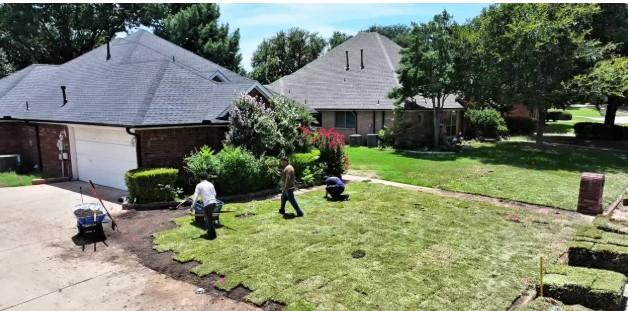
Creating an attractive yard in Central Texas requires more than choosing colorful flowers and installing a healthy lawn. Long, hot summers, periods of limited rainfall, and changing weather conditions can make outdoor maintenance challenging for homeowners. A landscape designed around local conditions can help reduce unnecessary water use while maintaining visual appeal. Transformed Landscaping Co. helps homeowners explore outdoor improvements that balance beauty, functionality, and the natural characteristics of their properties.
Choosing Xeriscape in Austin Texas is a practical option for homeowners who want to create a landscape that uses water more efficiently. Xeriscaping involves thoughtful plant selection, appropriate soil preparation, efficient irrigation, and landscape planning that reduces dependence on excessive watering. It does not mean removing every plant or covering the entire yard with rocks. Instead, the goal is to create an attractive outdoor environment where plants and materials are selected according to the property's conditions and the homeowner's preferences.
Understanding the Principles of Xeriscaping
Xeriscaping is a landscaping approach that focuses on conserving water without sacrificing the appearance or usefulness of an outdoor space. It commonly includes drought-tolerant plants, water-efficient irrigation, mulch, and carefully arranged planting areas. These elements work together to help the landscape make better use of available moisture. When planned properly, a xeriscape garden can include flowering plants, ornamental grasses, shrubs, trees, and comfortable outdoor spaces that feel natural rather than dry or unfinished.
The first step is understanding how the property currently uses water. Some yards have large lawn areas that require frequent irrigation, while others contain plants that are poorly suited to the local climate. A xeriscape plan can identify where water is needed most and which areas could benefit from different planting choices. Transformed Landscaping Co. can help homeowners consider these factors when planning a landscape that fits their property, lifestyle, and long-term maintenance goals.
Selecting Plants That Suit Austin's Climate
Plant selection is central to creating a successful water-wise landscape. Austin's hot summers and occasional dry spells can place stress on vegetation that requires consistently moist soil. Native and adapted plants are often useful choices because many can tolerate local weather conditions once established. However, every species has individual requirements, so homeowners should consider sunlight, drainage, soil type, mature size, and seasonal appearance before making selections.
A varied planting plan can make a drought-conscious garden more interesting throughout the year. Flowering perennials can introduce seasonal color, while evergreen shrubs provide structure and ornamental grasses add movement and texture. Trees can offer shade in suitable locations, helping create more comfortable outdoor areas. When homeowners explore Xeriscape in Austin Texas, they can also consider grouping plants with similar watering requirements. This arrangement makes irrigation easier to manage and reduces the risk of giving some plants too much or too little water.
Preparing Soil to Retain Useful Moisture
Healthy soil plays an important role in water conservation. Soil conditions influence how quickly water drains, how much moisture remains available to plant roots, and how effectively plants establish after installation. Compacted soil may limit root development, while poorly drained areas can leave certain plants struggling with excessive moisture. Before installing a new landscape, homeowners should evaluate existing soil conditions and determine whether grading, aeration, or appropriate soil amendments are needed.
Mulch can provide another useful benefit in suitable planting beds. Organic mulch helps reduce evaporation, moderate soil temperatures, and limit weed growth. As organic materials break down, they can also contribute to soil improvement. The appropriate mulch type and depth depend on the plants and the site, and mulch should be kept away from direct contact with tree trunks and plant stems. These simple measures can help support plant health while making more efficient use of available water.
Designing Garden Beds With Purpose
A water-wise landscape should have a clear layout that balances planting areas with open spaces and practical features. Instead of distributing plants randomly throughout the yard, homeowners can create defined beds that follow the property's natural lines or complement the home's architecture. Curved garden borders may soften a traditional property, while geometric planting beds can suit a contemporary design. Grouping plants into well-organized areas also makes maintenance and irrigation more manageable.
The arrangement of planting beds should reflect sunlight, drainage, and the way each part of the yard is used. Plants that prefer full sun should not be placed where they will receive insufficient light, and shade-loving varieties need suitable protection. A seating area can be surrounded by carefully selected shrubs and grasses, while the front entrance may benefit from a more structured arrangement. Thoughtful planning helps Xeriscape in Austin Texas create outdoor spaces that feel welcoming and visually complete rather than simply designed to reduce watering.
Using Efficient Irrigation and Smart Watering Practices
Water-efficient landscaping does not eliminate the need for irrigation, particularly when plants are newly installed. Young plants require appropriate moisture while their roots become established, and watering needs vary according to species, soil conditions, temperature, and rainfall. An irrigation plan should deliver water where it is needed instead of distributing it uniformly across areas with different requirements. Drip irrigation can be useful for many planting beds because it delivers water near the root zone and can reduce losses from overspray.
Homeowners should also review their watering schedules as the seasons change. Watering early in the morning can help reduce evaporation, while adjusting irrigation after rainfall can prevent unnecessary watering. Regular inspections can identify leaks, blocked emitters, and sprinkler heads that send water onto pavement. Smart irrigation controllers may help adjust schedules according to weather and soil conditions when properly configured. Combining appropriate equipment with sensible watering habits supports conservation without neglecting plant health.
Incorporating Stone, Gravel, and Hardscape Features
Hardscaping can complement a xeriscape garden by adding structure, usable surfaces, and contrast between different landscape elements. Natural stone, decorative gravel, pavers, and stepping-stone pathways can create attractive transitions between planting beds and outdoor living areas. These materials can reduce the amount of space devoted to thirsty turf when used strategically. However, covering every available surface with gravel or stone is not always the best solution, because excessive hard surfaces may increase reflected heat and reduce opportunities for healthy planting.
The best approach is to use hardscape features where they serve a clear purpose. A paved seating area can provide space for outdoor meals, while a gravel pathway may connect the entrance with a garden or side yard. Shade trees and carefully positioned planting beds can soften these surfaces and create a more comfortable environment. Drainage must also be considered because paving and compacted materials can change how water moves across the property. A balanced design combines durable surfaces with vegetation that suits local conditions.
Reducing Lawn Areas Without Losing Outdoor Functionality
Traditional lawns can require regular mowing and irrigation, depending on the grass variety, weather, and how the lawn is used. For homeowners who want to reduce maintenance, replacing selected lawn areas with adapted planting beds, ground covers, or functional hardscaping may be worth considering. The best choice depends on household needs. Families with children or pets may still want open lawn space, while homeowners who rarely use their grass may prefer to convert some areas into gardens or outdoor seating zones.
Reducing lawn area does not have to happen all at once. A phased approach allows homeowners to start with the least-used sections and evaluate the results before expanding the project. For example, a narrow strip that is difficult to irrigate might become a planting bed with suitable drought-tolerant species. Other sections could be improved with mulch, native ground covers, or pathways. This gradual process can make landscape improvements more manageable while preserving the outdoor spaces that matter most to the household.
Planning for Long-Term Beauty and Maintenance
A water-wise landscape should be designed with its future growth in mind. Plants that look small during installation may eventually need more room, and poorly planned spacing can create crowding that requires repeated pruning. Homeowners should consider mature plant size, seasonal changes, and the amount of maintenance they can realistically provide. A balanced selection of trees, shrubs, grasses, and flowering plants can create visual interest without making the garden unnecessarily complicated to maintain.
Regular care remains important even in a drought-conscious landscape. Newly installed plants need monitoring, irrigation systems should be checked periodically, and weeds should be removed before they spread. Pruning, replenishing mulch, and observing plant health can help identify developing problems early. Transformed Landscaping Co. can help homeowners plan outdoor improvements that account for these practical requirements. A thoughtful landscape design can reduce unnecessary work while supporting healthy plants and a more consistent appearance over time.
Conclusion
Water-wise landscaping offers Austin homeowners a way to create attractive outdoor spaces while responding to local weather conditions. Suitable plant choices, healthy soil, efficient irrigation, strategic hardscaping, and careful garden planning all contribute to a landscape that uses water more responsibly. Xeriscaping is not about sacrificing color or comfort; it is about making informed choices that allow outdoor spaces to remain useful and appealing with less unnecessary water consumption.
Transformed Landscaping Co. can help homeowners explore Xeriscape in Austin Texas by considering their property's existing conditions, design preferences, and maintenance needs. Whether the goal is to reduce lawn space, create a more sustainable garden, or improve an outdoor living area, a well-planned approach can bring these priorities together. With appropriate plants, thoughtful installation, and consistent care, homeowners can develop a landscape that complements their home and suits the demands of Central Texas.
 Greek
 English
 Arabic
 French
 Spanish
 Portuguese
 Deutsch
 Turkish
 Dutch
 Italiano
 Russian
 Romaian
 Portuguese (Brazil)