


How Much Does Post-Construction Cleaning Usually Cost?
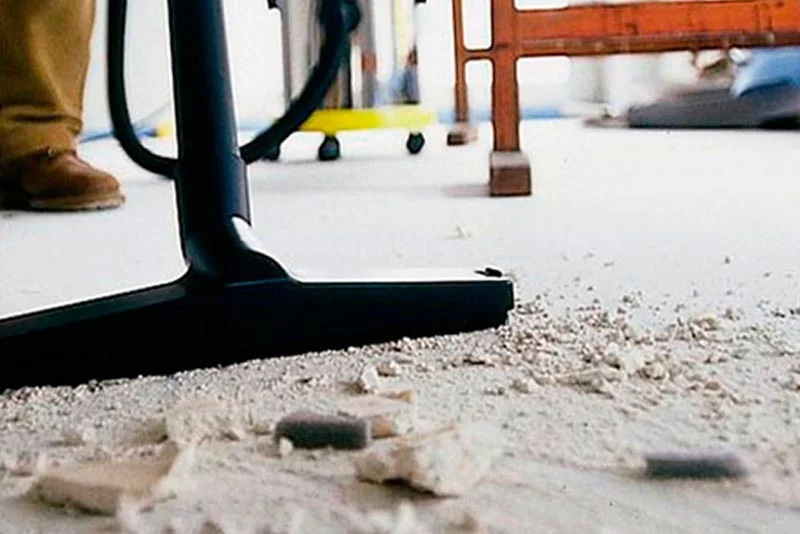
Post-construction cleaning costs vary because every project finishes differently. A small renovated office may need a limited final clean, while a large commercial property can require several cleaning stages, extensive dust removal, detailed floor care, glass cleaning, and touch-ups before handover. A useful estimate should be based on the actual site rather than a generic price.
Reviewing construction cleaning prices is most useful when the cleaning phase is already defined. Tell the estimator whether you need a rough clean, a detailed final clean, a touch-up, or several visits. Each phase creates a different workload and scheduling commitment.
Price the Cleaning Phase and Project Conditions
Construction cleaning can include rough cleaning, final cleaning, or both. Rough cleaning focuses on larger debris and general site buildup. Final cleaning is more detailed and may include floors, fixtures, glass, cabinets, restrooms, kitchens, and other finished surfaces.
If a project needs multiple stages, the total cost will reflect that labor. Larger projects generally require more labor. However, square footage alone does not determine the workload. A building with many small rooms, bathrooms, kitchens, and detailed finishes may require more time than an open space of the same size.
The amount of dust, debris, adhesive residue, paint marks, fingerprints, and construction material left behind can change the estimate. A property that has been kept organized during construction may be faster to clean than a site where debris and dust are spread across finished areas.
Ask for a Condition-Based Estimate
A project estimate should explain what the cleaner expects to find when work begins. Ask whether loose materials will already be removed, which trades will still be active, and how much access is available to finished surfaces.
A quote based on an empty, completed property may change if equipment and construction supplies remain in the way. Record those assumptions alongside the price. This helps the project manager understand which preparation tasks protect the estimate and which changes should trigger a fresh discussion before extra labor is booked or the final crew arrives.
Assess Materials, Dust, and Access
Different surfaces require different cleaning methods. Carpet, tile, stone, wood, glass, stainless steel, painted walls, and new fixtures may each need specific care. If a project contains delicate or newly installed finishes, the cleaning provider may need additional time and suitable products. Construction sites can have restricted entrances, temporary barriers, elevators, limited loading access, or specific working hours.
In New York City, building access can be particularly important because equipment and supplies may need to move through controlled areas. These logistics can affect labor. Rather than relying on a single universal price, businesses should ask for a detailed estimate that identifies cleaning phase, areas covered, labor, equipment, supplies, debris handling, specialty services, touch-up visits, and access requirements.
This gives management a clearer view of what is included. Some projects require services beyond basic final cleaning. Examples can include carpet extraction, detailed floor care, interior glass, high-level dusting, appliance cleaning, or post-event touch-ups. These should be listed separately where possible.
Separate Cleaning From Disposal
Debris handling can mean several different things: gathering loose packaging, carrying approved waste to an onsite collection point, or arranging removal from the property. Those activities should not be treated as interchangeable. Explain what remains and ask which stage is included in the proposal.
Confirm responsibility for disposal arrangements and any materials that require specialist handling. If the scope is unclear, a low cleaning figure may omit a substantial part of the closeout work. Keeping cleaning and disposal lines separate makes it easier to coordinate contractors, building management, and the cleaning provider.
Understand the Project Quote
Some projects are easier to quote as a flat project price after a walkthrough. Others may be based on labor hours. Neither structure is automatically better. The important point is that the scope and assumptions are clear. If one proposal includes interior glass and another does not, the totals cannot be compared fairly.
Give each provider the same project details and ask each to price the same cleaning scope. A very low quote may leave out tasks that the project actually needs. Ask whether debris removal, detailed floors, glass, cabinets, restrooms, kitchens, and touch-ups are included.
Recognize the Cost of Repeated Mobilization
Several short visits can cost differently from one continuous cleaning window because the team must arrive, gain access, move equipment, and set up each time. Phased work may still be the right choice when the project is released in stages.
Ask how the provider prices those separate visits and what notice it needs before a zone becomes available. The cheapest schedule on paper is not useful if the rooms are still occupied by trades. Compare the actual project sequence with the quoted visit plan so the budget reflects how the site will realistically be handed over.

Compare Inclusions and Return Visits
The project may need a final inspection after cleaning. If contractors return after the clean, a touch-up may be required. Ask how return visits are priced. A fixed opening or handover date can create a narrow cleaning window. The provider should know the deadline before pricing so staffing and access can be planned realistically.
A walkthrough gives the cleaning company a chance to inspect actual conditions. This is particularly useful for commercial projects in New York City, where access, elevator rules, and working windows can affect the practical workload. For businesses researching construction cleaning prices, a written scope and site assessment are more useful than a generic online figure.
Post-construction cleaning should be treated as part of the project closeout budget, not an unexpected expense at the end. A useful way to compare post-construction proposals is to create a simple list of the same categories for every provider: project area, cleaning phase, labor, equipment, glass, floors, debris, touch-ups, access, and final inspection. This makes missing scope easier to spot.
Evaluate Glass and Finish Details Separately
A project with extensive glazing, cabinets, decorative metal, or textured surfaces may involve more detailed work than a largely open floor. Request an itemized description of those areas rather than relying on a single reference to final cleaning.
Ask about accessible sides of glass, interior cupboards, protective film, and residues that require assessment before removal. Share relevant care instructions and identify pre-existing damage. This gives the cleaner a better basis for estimating time and reduces the chance that delicate finish work is assumed to be included without discussion.
Plan the Walkthrough and Released Areas
Some construction projects have multiple handover areas. One floor may be ready while another is still under construction. The cleaning provider can work more efficiently when the project manager identifies which zones are available and when each zone is expected to be released. If contractors are likely to return after the final clean, ask about the cost of a touch-up before the project begins.
A defined return-visit process can protect the budget from unexpected charges. The property manager's checklist should be shared with the cleaning team whenever possible. It can identify required floors, glass, fixtures, restrooms, kitchens, cabinets, and other areas. This creates a direct connection between cleaning and the final project standard.
Agree on Change Approval Before Work Begins
Construction programs often change close to completion. If another room is added or contractors create new dust after acceptance, decide who can authorize additional cleaning and how the price will be agreed. A simple written change record should identify the area, reason, extra visit or labor, and revised completion time.
This prevents the cleaning team from being caught between several site contacts giving different instructions. It also gives the owner a clearer invoice trail and allows the project manager to protect the budget without delaying necessary work at the last stage.
Keep Closeout Costs Under Control
If cleaners must work around active contractors, temporary barriers, security restrictions, or limited elevators, the estimate should reflect those conditions. A final inspection can identify areas that need touch-up work. Leaving time between cleaning and handover gives the team a chance to correct reasonable issues without disrupting the opening schedule.
Construction cleaning should be included in the overall project closeout budget. Treating it as a last-minute expense can make it harder to staff the final stage properly. A property manager may have specific requirements for floors, glass, fixtures, cabinets, or restrooms. Sharing those requirements before the final clean makes the proposal and inspection easier to manage.
Use Contingency for Defined Risks
A contingency is most useful when tied to realistic project risks rather than an unexplained extra amount. Possible issues include delayed trade completion, an additional touch-up, limited elevator availability, or newly accessible rooms. Ask which risks the fixed price already covers and which would be charged separately.
Then decide what reserve is appropriate within the wider project budget. This article does not provide a universal market price because the site conditions have not been assessed. A detailed walkthrough and a written scope remain the practical basis for obtaining a usable project-specific figure.
Final Thoughts on Construction Cleaning Estimates
A construction cleaning estimate should show the phases, conditions, and access assumptions behind the total. Agree how additional visits and scope changes are approved. This gives the project team a clearer budget while retaining flexibility for genuine changes near completion.
Share the project's present condition and required cleaning phases when speaking with Brye A+ Cleaning. Its Google Business Profile offers another place to review the business. Confirm the estimate's assumptions, room readiness, and arrangements for additional visits before committing to the project budget.
Frequently Asked Questions
What affects post-construction cleaning costs the most?
Project size, cleaning phase, dust and debris, surface types, access, labor, specialty services, and deadlines can affect the price. A site walkthrough gives a more accurate estimate than a generic square-foot rate.
Does post-construction cleaning include construction debris?
Not always. Some contracts include moving construction debris to an onsite collection point, while hauling and disposal can be separate. The proposal should clearly identify who handles debris and disposal before work begins.
Can post-construction cleaning be completed in one visit?
Sometimes, but larger projects may need rough cleaning, final cleaning, and touch-ups at different stages. The schedule depends on construction progress, remaining dust, contractor returns, and the required handover standard.
 Greek
 English
 Arabic
 French
 Spanish
 Portuguese
 Deutsch
 Turkish
 Dutch
 Italiano
 Russian
 Romaian
 Portuguese (Brazil)