


Commercial Bug Sweep Services: A Business Guide to Securing Private Meeting Spaces
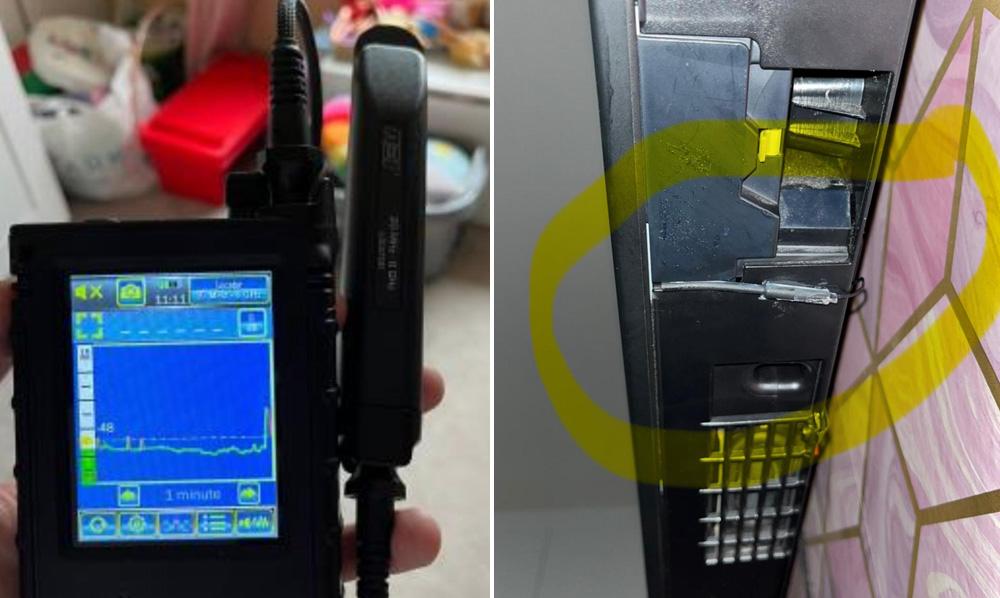
A confidential meeting depends on more than a closed door. Businesses also need confidence in the rooms, equipment, and access arrangements surrounding important conversations. Commercial bug sweep services provide a structured way to examine selected spaces for unauthorized surveillance equipment. For organizations planning sensitive discussions, the value lies in careful preparation, appropriate inspection methods, and useful follow-up. Rather than treating a sweep as an isolated purchase, businesses can incorporate it into how they manage meeting spaces and protect private information.
Start With the Information You Need to Protect
Before booking an inspection, identify which conversations require additional protection. A business discussing an acquisition may have different priorities from a company preparing a product launch or reviewing confidential personnel matters.
This exercise helps define where attention belongs. Inspecting every square foot of a building may be less useful than thoroughly assessing the rooms where sensitive discussions actually happen.
Consider who uses those spaces, what equipment is installed, and how access is managed. These details give the provider a clearer understanding of the assignment.
Identify the Spaces That Matter Most
Boardrooms and executive offices are obvious starting points, but private conversations do not always stay within designated meeting rooms. Businesses may also use temporary offices, interview rooms, or rented conference facilities.
Make a practical list of locations based on how your organization works. Include adjoining areas when they could affect the inspection, and discuss access limitations before confirming the appointment.
For rented premises, establish who can authorize the work. The inspection should have clearly agreed boundaries, especially where facilities, equipment, or infrastructure are shared with other occupants.
Understand What the Inspection Includes
Commercial bug sweep services can involve several complementary techniques. Physical searches help examine accessible objects and spaces, while radio frequency analysis helps assess transmitting equipment. Depending on the assignment, specialists may also inspect relevant lines or use tools that locate electronic components. Countermeasures training includes these different methods because a single technique cannot address every situation.
Ask the provider to explain its approach in plain language. You should understand which rooms and systems are included, what access is needed, and which areas cannot be assessed within the proposed scope.
Prepare Your Workplace Before the Visit
Good preparation can reduce delays and prevent unnecessary disruption. Appoint one business contact who can coordinate access, answer questions, and involve facilities or IT staff when required.
Gather available floor plans and a basic inventory of legitimate equipment. Conference speakers, wireless presentation systems, access devices, and other office electronics can help explain activity observed during testing.
Discuss whether the inspection should occur during business hours or outside normal operations. The appropriate timing depends on the methods being used and the conditions the specialist needs to evaluate.
Distinguish Unfamiliar Equipment From Confirmed Threats
Finding an unfamiliar device or signal does not automatically establish unauthorized surveillance. Modern workplaces contain many legitimate electronics, including equipment that employees may rarely notice.
Radio frequency detection tools investigate transmissions, while nonlinear junction detectors can identify electronic components even when devices are not transmitting. Neither observation, by itself, establishes the purpose or ownership of an item.
A useful investigation connects technical observations with physical examination and information about the premises. Businesses should expect clear distinctions between ordinary equipment, unexplained findings, and confirmed concerns rather than conclusions based only on detector alerts.
Ask for Findings You Can Act On
The final report should help management make decisions. Ask for a record of inspected areas, methods used, relevant findings, and limitations that affected the assessment.
Recommendations should be specific enough to assign to an owner. For example, a suggestion to improve room access should explain which access arrangements require attention, rather than simply advising the company to “increase security.”
Also establish how the report will be delivered and stored. Inspection documents may contain sensitive photographs or details about your premises, so their circulation should match their purpose.
Maintain Control After the Inspection
An inspection reflects particular conditions at a particular time. Subsequent visitors, equipment changes, or building work can alter those conditions.
After the sweep, review who can enter sensitive rooms and how newly installed equipment is approved. Maintain a clear process for reporting unfamiliar items without encouraging speculation or accusations.
Where appropriate, schedule another assessment around meaningful changes or important events. The timing should follow business needs and the provider’s reasoning, rather than an automatic assumption that every organization requires the same inspection frequency.
Choose a Service That Fits Your Business
Compare providers through their experience, proposed methods, confidentiality practices, and reporting quality. Request a written quotation that explains scope, exclusions, and any additional charges. Avoid choosing solely on the promise of sophisticated equipment or absolute certainty. Commercial bug sweep services are most useful when they produce a clear, evidence-based assessment and practical next steps. With appropriate preparation and follow-through, your business can make better decisions about protecting the spaces where confidential conversations take place.
 Russian
 English
 Arabic
 French
 Spanish
 Portuguese
 Deutsch
 Turkish
 Dutch
 Italiano
 Romaian
 Portuguese (Brazil)
 Greek