


What Should You Know About Attic Mold Removal Service
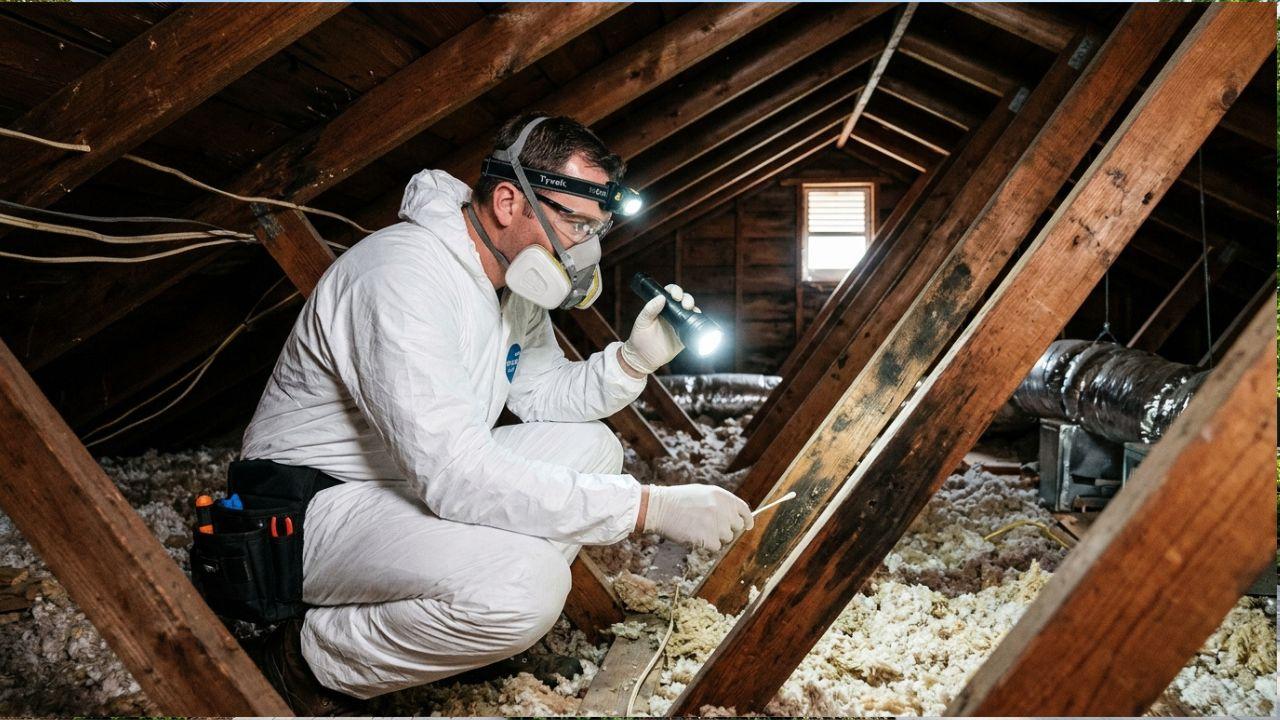
An attic is an important part of a home because it helps protect the building from outdoor temperatures and weather conditions. However, poor ventilation, roof leaks, and excess moisture can create an environment where mold grows. Over time, attic mold can damage wooden structures, affect insulation, and contribute to poor indoor air quality. This is why professional Attic Mold Removal Service is important for homeowners who want to maintain a clean, safe, and comfortable living environment.
Understanding the causes of attic mold, recognizing early warning signs, and choosing the right removal service can help prevent costly repairs. Professional mold removal focuses on addressing existing contamination and identifying the moisture problems responsible for its growth.
What Is an Attic Mold Removal Service
An Attic Mold Removal Service involves inspecting an attic, identifying mold growth, removing affected materials when necessary, and addressing the conditions that allow mold to develop. Professional technicians assess the affected areas and recommend an appropriate treatment plan based on the extent of the problem.
Mold commonly develops on roof sheathing, wooden rafters, insulation, and other materials exposed to moisture. It may appear as black, green, white, or gray patches, although appearance alone cannot reliably identify the mold species.
A professional service helps homeowners understand the source of the problem and determine the most suitable steps for remediation.
What Causes Mold Growth in Attics
Several factors can contribute to attic mold. Identifying these causes is essential for preventing the problem from returning after removal.
Poor Attic Ventilation
Proper ventilation helps control moisture and temperature levels. When airflow is inadequate, humid air can become trapped in the attic and condense on cooler surfaces. This moisture creates favorable conditions for mold growth.
Roof Leaks and Water Damage
Damaged shingles, deteriorated flashing, and leaking roof vents can allow rainwater or melting snow to enter the attic. If damp wood and insulation remain wet, mold may develop and spread.
Indoor Humidity and Air Leakage
Warm, humid air from bathrooms, kitchens, and living spaces can escape into the attic through gaps around ceiling fixtures, attic hatches, and other openings. During cold weather, this air may condense on cooler surfaces.
Insulation Problems
Wet, compressed, or improperly installed insulation can contribute to moisture-related issues. Damaged insulation may also reduce energy efficiency and make it harder to maintain comfortable indoor temperatures.
Signs That You Need Attic Mold Removal
Recognizing the warning signs early can help homeowners arrange an inspection before the damage becomes more extensive.
Common signs include:
-
Dark or discolored patches on roof sheathing and wooden beams.
-
A persistent musty odor coming from the attic or upper floors.
-
Visible moisture, condensation, or water stains.
-
Damp or damaged insulation.
-
Roof leaks or evidence of previous water damage.
-
Mold-like growth appearing on stored belongings or wooden materials.
Not every stain indicates mold, and mold can sometimes develop in areas that are difficult to see. If you notice unusual odors or moisture problems, a professional inspection can help determine the cause.
Why Professional Attic Mold Removal Matters
Hiring a qualified mold remediation professional offers several advantages over simply cleaning visible patches.
Identifying the Source of Moisture
Effective remediation requires more than removing surface growth. Technicians investigate possible roof leaks, ventilation problems, condensation, and indoor air leakage to help prevent future mold development.
Removing Contaminated Materials Safely
Depending on the severity of contamination, affected insulation or other porous materials may need to be removed and replaced. Suitable cleaning methods can be used on salvageable structural materials. Professionals also use appropriate containment and protective equipment to reduce the spread of mold-containing dust.
Protecting the Structure of Your Home
Persistent moisture can damage wooden roof components and other building materials. Early intervention can help limit deterioration and reduce the likelihood of expensive repairs.
Supporting Better Indoor Air Quality
Disturbing mold without suitable precautions can release spores and contaminated particles into the air. Professional remediation practices help control this risk and reduce the possibility of spreading contamination to other areas.
How Does the Attic Mold Removal Process Work
A reliable Attic Mold Removal Service generally follows a structured process tailored to the condition of the attic.
Step One Inspection and Assessment
The technician examines visible mold, moisture levels, insulation, ventilation, and possible water entry points. Additional testing may be recommended when it would help answer a specific question about the building.
Step Two Containment and Preparation
When appropriate, affected areas are isolated to help prevent mold-containing dust from spreading. Workers select protective equipment and cleaning procedures suitable for the materials and extent of contamination.
Step Three Mold Remediation
Contaminated materials are cleaned or removed as necessary. Sound structural materials may be cleaned using appropriate methods, while heavily damaged porous materials may require replacement.
Step Four Moisture Control
The underlying moisture source must be corrected. This may involve repairing roof leaks, improving ventilation, sealing air leaks between the home and attic, or addressing other sources of humidity.
Step Five Final Inspection
After remediation, the affected area should be checked to confirm that the work is complete and that the moisture problem has been addressed. Any necessary insulation replacement or additional repairs can then be planned.
How to Prevent Attic Mold From Returning
Prevention is an important part of maintaining a healthy attic. Homeowners can reduce the risk of recurring mold by following a few practical steps.
-
Inspect the roof periodically for damaged shingles and leaks.
-
Keep attic ventilation systems clear and functioning properly.
-
Ensure bathroom and kitchen exhaust fans vent outdoors rather than into the attic.
-
Seal gaps that allow warm, humid indoor air to enter the attic.
-
Address plumbing leaks and water damage promptly.
-
Check insulation for dampness or deterioration.
-
Arrange a professional inspection if musty odors or recurring condensation appear.
These preventive measures help control moisture, which is the key factor in limiting mold growth.
Choosing the Right Attic Mold Removal Service
Before hiring a provider, ask about its inspection process, remediation methods, safety precautions, and approach to moisture control. A reliable company should explain the proposed work, identify likely contributing factors, and provide a clear estimate.
It is also helpful to ask whether the service includes the removal of damaged insulation, recommendations for ventilation improvements, and a final assessment. Compare written estimates carefully rather than selecting a company based on price alone.
The right professional should focus on resolving the underlying problem instead of promising a permanent solution based only on applying a chemical treatment.
Learn More About Attic Mold Removal in Ottawa
Homeowners looking for information about attic mold problems and professional remediation in Ottawa can explore Attic Mold Removal Ottawa. The website provides a starting point for learning about attic mold removal services and finding information relevant to moisture-related concerns in residential properties. If you have noticed mold-like growth, water stains, or persistent musty odors in your attic, visit out website to learn more about possible solutions and the next steps for addressing the issue.
Conclusion
An attic mold problem should not be ignored because persistent moisture can damage building materials and contribute to indoor air quality concerns. A professional Attic Mold Removal Service helps identify affected areas, remove contaminated materials when necessary, and address the conditions that allow mold to grow.
By arranging an inspection early, correcting moisture problems, and maintaining proper ventilation, homeowners can reduce the risk of recurring mold and protect their property. Choosing an experienced remediation provider is an important step toward maintaining a cleaner, drier, and better-protected home.
 Spanish
 English
 Arabic
 French
 Portuguese
 Deutsch
 Turkish
 Dutch
 Italiano
 Russian
 Romaian
 Portuguese (Brazil)
 Greek