


Is Rhinoplasty the Right Choice for Your Nose?
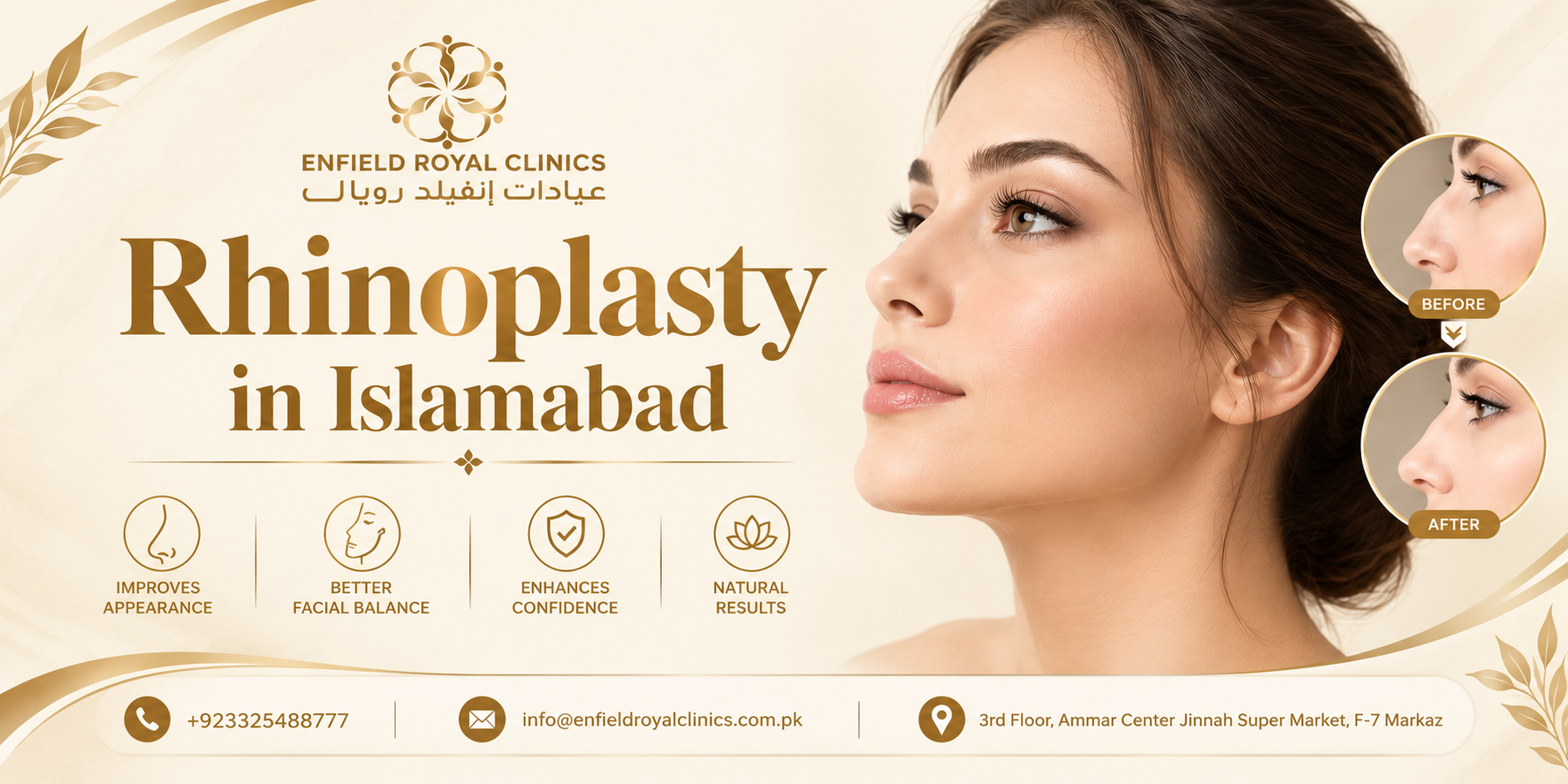
The shape and size of the nose play an important role in overall facial appearance. Since the nose is positioned at the center of the face, even small differences in its structure can influence facial balance and symmetry. Some individuals feel uncomfortable with a prominent nasal bridge, a wide nose, a rounded tip, or uneven nostrils. Others may experience breathing difficulties because of structural problems inside the nose. These concerns often lead people to explore rhinoplasty as a possible solution.
Rhinoplasty in Islamabad is an option for individuals interested in improving their nasal appearance or correcting certain structural concerns. Also known as nose reshaping surgery, rhinoplasty involves modifying the bone, cartilage, or soft tissues to achieve a more balanced nasal shape. However, deciding whether the procedure is right for someone requires careful consideration of their goals, health, nasal anatomy, and expectations.
Understanding the benefits, suitability, surgical process, and recovery requirements can help individuals make a more informed decision.
1. What Is Rhinoplasty and How Does It Work?
Rhinoplasty is a surgical procedure that changes the appearance or structure of the nose. Depending on the patient's concerns, it may involve reducing the size of the nose, refining its tip, correcting a nasal hump, or improving overall symmetry.
The procedure can also address certain functional problems, particularly when the internal nasal structure affects normal breathing.
There are two commonly discussed approaches to rhinoplasty:
Open Rhinoplasty
Open rhinoplasty involves a small incision across the tissue between the nostrils, known as the columella. This approach allows the surgeon to access the underlying nasal structures more directly. It may be suitable for complex reshaping or cases requiring detailed adjustments.
Closed Rhinoplasty
Closed rhinoplasty involves incisions placed inside the nostrils. Since there is no external incision across the columella, visible external scarring is generally avoided. This approach may be appropriate for selected patients whose nasal concerns can be corrected through internal access.
The choice between these techniques depends on the patient's anatomy, desired changes, and surgical requirements. Neither approach is automatically better for everyone.
2. Who Is the Right Candidate for Rhinoplasty?
Rhinoplasty may be appropriate for individuals who have specific concerns about their nose and want to improve its appearance or function. However, the procedure is not suitable for everyone.
A proper assessment helps determine whether surgery can realistically address the patient's concerns.
Potential candidates may include individuals who:
-
Have a prominent bump along the nasal bridge.
-
Want to refine a wide or rounded nasal tip.
-
Have a crooked or asymmetrical nose.
-
Feel that their nose is disproportionate to their facial features.
-
Have nasal deformities caused by an injury.
-
Experience breathing difficulties related to structural nasal problems.
-
Have realistic expectations about surgical outcomes.
Physical health is another important consideration. Individuals with certain medical conditions, healing difficulties, or other surgical risk factors may require additional evaluation before proceeding.
Nasal development should also be complete before cosmetic rhinoplasty is generally considered. This is particularly important for younger individuals.
For those exploring Rhinoplasty in Islamabad, an initial consultation can help identify whether the procedure is appropriate and which surgical approach may provide the most suitable outcome.
3. What Nose Concerns Can Rhinoplasty Correct?
One of the main reasons people consider rhinoplasty is the ability to address different nasal shape concerns through personalized surgical adjustments.
Depending on the individual's anatomy, the procedure may help improve several features.
A Prominent Nasal Bridge
A noticeable bump along the bridge can make the nose appear more prominent from the side. Rhinoplasty can reduce the underlying bone or cartilage to create a smoother profile.
A Wide or Bulbous Nose Tip
Some people have a rounded or broad nasal tip that appears disproportionate to the rest of their nose. Carefully reshaping the supporting cartilage may help create better definition.
A Crooked Nose
A crooked nose can result from natural development, previous injuries, or structural irregularities. Rhinoplasty may improve alignment and create a more balanced appearance.
Uneven Nostrils
Differences in nostril shape or size can affect nasal symmetry. In selected cases, surgical adjustments may help improve their proportions.
A Drooping Nasal Tip
A nasal tip that points downward may affect the overall profile. Depending on the underlying structure, rhinoplasty can adjust the tip's support and position.
Although these changes can improve appearance, every nose has individual anatomical limitations. The goal is to achieve a result that suits the patient's facial structure rather than create an identical shape for everyone.
4. What Are the Benefits of Choosing Rhinoplasty?
Rhinoplasty can offer both cosmetic and functional benefits, depending on the reason for surgery.
Some of its potential advantages include:
-
Improved facial proportions: Adjusting nasal size and shape may create better harmony between the nose, chin, cheeks, and forehead.
-
Better nasal symmetry: Selected structural adjustments can improve the appearance of an uneven or crooked nose.
-
Refined nasal contours: The procedure may help smooth a prominent bridge or improve the definition of the nasal tip.
-
Correction of certain breathing problems: Functional nasal surgery may improve airflow when structural obstruction is properly addressed.
-
Long-lasting changes: Surgical modifications generally provide durable results after healing is complete.
Another important benefit is the opportunity to address individual concerns through a personalized surgical plan.
However, rhinoplasty also involves risks, including bleeding, infection, persistent swelling, scarring, changes in sensation, breathing difficulties, and the possibility of needing revision surgery. Results cannot be guaranteed, so patients should understand both the potential benefits and limitations before making a decision.
5. What Should Patients Expect Before and After Rhinoplasty?
Preparation and recovery are essential parts of the rhinoplasty process. Understanding what happens at each stage can help patients develop realistic expectations.
Before Surgery
The process usually begins with a detailed consultation and examination. Nasal structure, facial proportions, breathing function, medical history, and personal expectations are reviewed.
Patients may be advised to:
-
Share their complete medical history.
-
Discuss any previous nasal injuries or surgeries.
-
Follow instructions about medications and supplements.
-
Avoid smoking and nicotine as advised.
-
Arrange transportation and assistance for the initial recovery period.
-
Follow pre-operative instructions regarding food and drinks.
During Surgery
Rhinoplasty is commonly performed under general anesthesia, although the anesthesia plan depends on the procedure and individual circumstances.
The surgeon makes the necessary incisions and carefully modifies the bone, cartilage, or soft tissues according to the treatment plan. The procedure may take a few hours, depending on its complexity.
After Surgery
Swelling, bruising, congestion, and mild discomfort are common during the initial recovery period. A nasal splint may be used to support and protect the nose while healing begins.
Many patients notice significant improvement in bruising during the first two weeks. However, swelling can remain for several months, particularly around the nasal tip. Final results may take 12 months or longer to become fully apparent.
Patients should avoid strenuous activities, protect the nose from accidental impact, and follow all post-operative instructions. Regular follow-up appointments help monitor healing and identify any complications.
6. Is Rhinoplasty Worth Considering for Long-Term Results?
For individuals with specific nasal concerns, rhinoplasty may be a worthwhile option when the expected benefits outweigh the potential risks.
However, the decision should not be based entirely on appearance or social beauty trends. A person's motivation, health, expectations, and understanding of the recovery process all matter.
Individuals considering Rhinoplasty in Islamabad should pay attention to the surgeon's qualifications, experience in nasal surgery, understanding of facial proportions, and ability to explain possible outcomes. Reviewing relevant before-and-after photographs may also help patients understand the range of results, although previous results cannot predict an individual outcome.
A good surgical plan should prioritize both appearance and nasal function. It should also recognize that the most suitable result may involve subtle adjustments rather than dramatic changes.
For more information visit Enfield royal clinic in islamabad
Frequently Asked Questions (FAQs)
1. Is Rhinoplasty Suitable for Everyone?
No, rhinoplasty is not suitable for everyone. Individuals should have fully developed nasal structures, good general health, specific treatment goals, and realistic expectations. A professional assessment is necessary to determine suitability.
2. How Long Does Rhinoplasty Recovery Take?
Initial recovery generally takes around one to two weeks, although swelling may continue for several months. The final nasal shape can take approximately 12 months or longer to become visible.
3. Does Rhinoplasty Change the Entire Facial Appearance?
Rhinoplasty mainly changes the nose, but improving its proportions may influence overall facial harmony. The procedure does not change other facial features, although the nose may appear more balanced in relation to them.
4. Are Rhinoplasty Results Permanent?
Rhinoplasty generally produces long-lasting structural changes. However, natural ageing and other factors may gradually affect nasal appearance. Healing and final results also vary between individuals.
Conclusion
Rhinoplasty can be a suitable choice for individuals who want to improve nasal proportions, correct specific shape concerns, or address certain breathing problems. However, the right decision depends on individual anatomy, physical health, personal goals, and realistic expectations.
Anyone considering Rhinoplasty in Islamabad should understand the surgical techniques, possible risks, recovery requirements, and expected outcomes before proceeding. A detailed consultation with a qualified surgeon can help determine whether nose reshaping surgery is an appropriate option and support a safe, well-informed treatment decision.
 Romaian
 English
 Arabic
 French
 Spanish
 Portuguese
 Deutsch
 Turkish
 Dutch
 Italiano
 Russian
 Portuguese (Brazil)
 Greek