


Lebanese Cuisine In Lebanon: Exploring Traditional Kibbeh, Fattoush, and Manakish
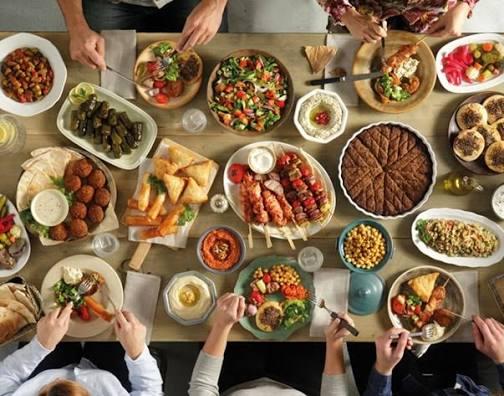
Lebanese food is celebrated for its fresh ingredients, aromatic herbs, traditional cooking methods, and distinctive Mediterranean flavours. From delicious meat-based specialities to refreshing vegetable salads and freshly baked flatbreads, Lebanese cuisine offers a diverse culinary experience. Traditional dishes such as kibbeh, fattoush, and manakish represent the country's rich food heritage and remain favourites among locals and international visitors.
Exploring Lebanese Cuisine In Lebanon provides an opportunity to discover authentic recipes, traditional ingredients, and the cultural importance of sharing meals. Whether you enjoy grilled specialities, vegetarian dishes, or freshly prepared bread, Lebanese food offers something for every food lover.
Lebanese Cuisine In Lebanon: Discover Authentic Traditional Flavours
Traditional Lebanese cooking focuses on fresh vegetables, quality ingredients, aromatic spices, olive oil, garlic, and fresh herbs. Parsley, mint, tomatoes, cucumbers, chickpeas, and lemons are commonly used in everyday recipes.
Lebanese meals often include a combination of appetisers, salads, grilled dishes, and freshly baked bread. These different elements create balanced flavours and make dining an enjoyable social experience.
The beauty of Lebanese Cuisine In Lebanon lies in its ability to combine simple ingredients with traditional preparation techniques. Each dish reflects regional influences and generations of culinary knowledge.
Traditional Kibbeh: A Famous Lebanese Culinary Speciality
Kibbeh is one of the most recognised traditional dishes in Lebanon. It is commonly prepared using finely minced meat, bulgur wheat, onions, and aromatic spices.
Different regions and families have their own preparation methods, creating several delicious variations.
Popular types of kibbeh include:
- Fried Kibbeh: Oval-shaped pieces filled with seasoned minced meat and onions, then fried until golden.
- Kibbeh Bil Sanieh: An oven-baked version arranged in layers and traditionally served in portions.
- Kibbeh Labanieh: A traditional preparation served with a creamy yoghurt-based sauce.
- Kibbeh Nayyeh: A traditional raw meat preparation made with finely minced meat, bulgur, and seasonings, requiring careful food-safe preparation.
Kibbeh is often served with fresh vegetables, yoghurt, salads, and other traditional accompaniments. Its distinctive texture and aromatic seasoning make it an important part of Lebanese food culture.
Fattoush: A Refreshing Lebanese Salad Full of Fresh Ingredients
Fattoush is a popular Lebanese salad known for its refreshing taste, colourful presentation, and combination of fresh vegetables.
The traditional recipe includes:
- Fresh tomatoes.
- Cucumbers.
- Lettuce.
- Radishes.
- Parsley.
- Fresh mint.
- Spring onions.
- Toasted or fried pita bread.
The salad is commonly dressed with olive oil, lemon juice, and sumac, which gives it a distinctive tangy flavour.
Fattoush is usually served alongside grilled meats, mezze platters, and other traditional Lebanese dishes. Its fresh ingredients and crispy bread create a delicious combination of textures.
Manakish: Exploring Lebanon's Traditional Flatbread
Manakish is a traditional Lebanese flatbread enjoyed throughout the country. It is particularly popular for breakfast and is prepared using soft dough topped with different ingredients before being baked.
Some popular varieties include:
- Za'atar Manakish: Prepared with thyme, sesame seeds, sumac, and olive oil.
- Cheese Manakish: Topped with traditional Lebanese cheese.
- Meat Manakish: Prepared with seasoned minced meat and onions.
- Spinach Manakish: Filled with spinach, lemon juice, and aromatic seasonings.
Manakish is often served with fresh vegetables, olives, and other accompaniments. Its soft interior and lightly crisp exterior make it a favourite among people who appreciate traditional Lebanese bread.
Fresh Ingredients That Define Lebanese Cuisine In Lebanon
Fresh ingredients are essential to the identity of Lebanese food. Traditional recipes use locally available produce, herbs, legumes, olive oil, and carefully selected spices.
Some important ingredients include:
- Olive Oil: Adds richness and flavour to salads, dips, and traditional dishes.
- Parsley and Mint: Provide freshness and aroma to salads and appetisers.
- Lemon Juice: Adds a refreshing citrus flavour to marinades and dressings.
- Garlic: Creates depth and flavour in sauces, dips, and grilled dishes.
- Chickpeas: Used in traditional hummus and other popular recipes.
- Bulgur Wheat: An important ingredient in kibbeh and tabbouleh.
These ingredients help maintain the authentic character of Lebanese Cuisine In Lebanon while creating dishes with distinctive flavours and textures.
Other Traditional Lebanese Dishes Worth Discovering
Beyond kibbeh, fattoush, and manakish, Lebanon offers many other delicious specialities that reflect its diverse culinary traditions.
Some popular dishes include:
- Hummus: A creamy dip prepared with chickpeas, tahini, garlic, and lemon juice.
- Tabbouleh: A refreshing parsley-based salad with tomatoes, mint, and bulgur wheat.
- Shish Taouk: Marinated chicken grilled with traditional seasonings.
- Kafta: Minced meat mixed with onions, parsley, and aromatic spices.
- Baba Ghanoush: A smoky eggplant dip prepared with tahini and garlic.
- Warak Enab: Grape leaves traditionally filled with rice and herbs.
Exploring these dishes alongside traditional favourites provides a better understanding of Lebanon's food culture.
Lebanese Cuisine In Lebanon: Experience Traditional Dining and Hospitality
Lebanese dining is about more than enjoying delicious food. Hospitality, family gatherings, and sharing meals are important parts of the country's culture.
Traditional restaurants often serve several dishes together, encouraging guests to explore different flavours and enjoy meals socially.
A traditional dining experience may include mezze, fresh salads, grilled specialities, flatbreads, and homemade dips. The combination of authentic recipes, welcoming service, and fresh ingredients makes Lebanese food culture memorable.
Whether visiting a traditional restaurant or enjoying a family meal, these culinary traditions provide an authentic connection to Lebanon's heritage.
Frequently Asked Questions About Lebanese Cuisine In Lebanon
1. What Are the Most Popular Traditional Dishes in Lebanon?
Some popular Lebanese dishes include kibbeh, fattoush, manakish, hummus, tabbouleh, shish taouk, and kafta. These specialities represent the country's traditional food culture.
2. What Is Traditional Lebanese Kibbeh Made Of?
Traditional kibbeh is prepared using minced meat, bulgur wheat, onions, and aromatic spices. It can be fried, baked, or prepared in other traditional variations.
3. What Makes Lebanese Fattoush Different From Other Salads?
Fattoush combines fresh vegetables, herbs, crispy pita bread, and a tangy dressing commonly prepared with lemon juice, olive oil, and sumac.
4. What Are the Most Popular Types of Lebanese Manakish?
Popular varieties include za'atar manakish, cheese manakish, meat manakish, and spinach manakish. Each offers a distinctive combination of traditional ingredients.
5. Why Is Lebanese Cuisine Popular Around the World?
Lebanese cuisine is popular because of its fresh ingredients, diverse recipes, aromatic flavours, traditional mezze, and welcoming dining culture.
Conclusion
Lebanese food offers an exciting combination of fresh ingredients, traditional cooking techniques, and authentic Mediterranean flavours. Kibbeh represents the country's rich meat-based culinary traditions, fattoush highlights the freshness of local vegetables, and manakish celebrates its long-standing bread-making heritage.
Exploring Lebanese Cuisine In Lebanon allows food lovers to experience these traditional specialities while discovering the cultural importance of hospitality and sharing meals. From traditional family recipes to authentic restaurant dishes, Lebanese cuisine continues to offer memorable experiences for anyone who appreciates genuine Middle Eastern food.
 Russian
 English
 Arabic
 French
 Spanish
 Portuguese
 Deutsch
 Turkish
 Dutch
 Italiano
 Romaian
 Portuguese (Brazil)
 Greek