


How to Choose the Best Sensory Toys for Different Age Groups
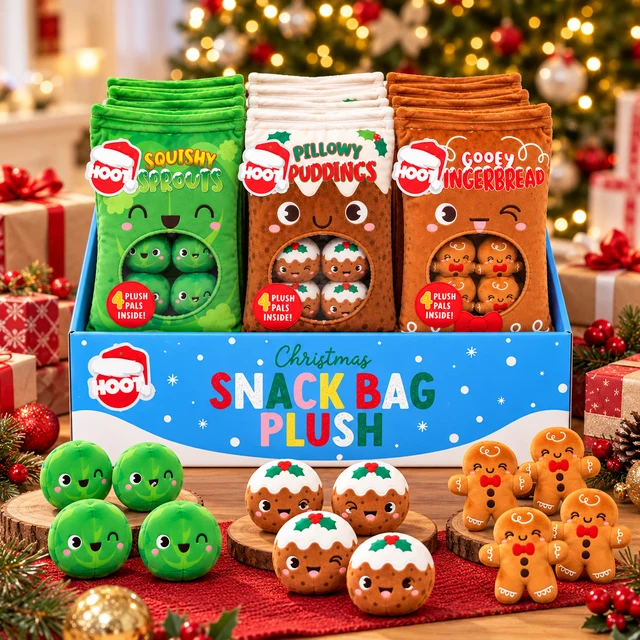
Choosing a toy can seem simple, but finding one that suits a child’s age, interests, and stage of development takes a little more thought. Sensory toys are especially varied. Some encourage children to explore textures, while others use sound, movement, colour, or hands-on activities to make play more engaging.
The best sensory toy is not always the brightest or the one with the most features. It is one that a child can use safely and enjoy at their own pace. A toy that feels exciting to one child may be too noisy or overwhelming for another. This is why age guidance is useful, but it should be considered alongside a child’s individual preferences and abilities.
This guide explains what to look for when choosing sensory toys for babies, toddlers, preschoolers, school-age children, and older children. It also covers practical safety points to help parents and caregivers make a more informed choice.
What Are Sensory Toys?
Sensory toys are designed to encourage exploration through one or more senses. A child might touch a textured surface, watch a moving object, listen to a gentle sound, squeeze a soft toy, or experiment with materials such as sand and water.
Some sensory toys are simple and open-ended, allowing children to decide how they want to play. Others have a more specific purpose, such as helping children practise hand movements, explore cause and effect, or enjoy a quiet activity.
Sensory play can support learning and development, but children do not all respond to the same toys in the same way. Some enjoy bright colours and lively sounds, while others prefer soft textures and predictable movements. Choosing a toy should involve observing what the child enjoys rather than assuming that every sensory toy will suit every child.
Sensory Toys for Babies: Birth to 12 Months
Focus on Safe, Gentle Exploration
During the first year, babies gradually learn to look, reach, grasp, hold, shake, and explore objects. Sensory toys can offer simple opportunities to practise these early skills.
For newborns and younger babies, high-contrast cards, soft fabric books, and gentle visual toys may be interesting. As babies grow, they may begin reaching for soft rattles, textured toys, baby-safe mirrors, and easy-to-hold objects.
At this age, toys should be simple, lightweight, and suitable for the baby’s current abilities. Avoid toys with small parts, loose decorations, long cords, or components that could come away from the main toy. Babies often explore objects with their mouths, so check the age guidance and safety information carefully.
Choose Toys That Encourage Reaching and Grasping
As babies gain more control over their hands, toys that are easy to hold can encourage reaching and grasping. Soft sensory balls, textured rings, and lightweight rattles may offer different experiences through touch and sound.
A toy does not need to make several noises or flash multiple lights to be engaging. A simple object that a baby can safely hold, turn, or explore may be enough. Supervised play and regular checks for damage are important throughout this stage.
Sensory Toys for Toddlers: 1 to 3 Years
Look for Repetition and Hands-On Play
Toddlers often enjoy activities they can repeat. They may like filling and emptying containers, stacking objects, pushing toys, opening and closing parts, or making something move.
Sensory balls, chunky stacking toys, simple shape sorters, and large pop-up or push-button toys can offer hands-on experiences. Toys with different textures may also encourage toddlers to explore how objects feel.
At this age, choose sturdy designs without small detachable pieces. Check that materials are suitable for the child’s age and that the toy can withstand regular handling. If a toy includes pieces that could be swallowed, it should not be given to a child who still puts objects in their mouth.
Encourage Safe Movement
Toddlers are often eager to move around and explore their surroundings. Sensory play does not have to happen while sitting at a table. Push-along toys, soft balls, and simple movement activities can encourage children to explore their environment.
Parents can also create supervised play opportunities using safe household materials, such as water in a shallow container or large objects that can be sorted by colour. The activity should match the child’s abilities, and small items or unsafe materials should be kept out of reach.
Sensory Toys for Preschoolers: 3 to 5 Years
Support Imagination and Creativity
Preschoolers are developing their imagination, language, and ability to take part in more detailed play. Sensory toys can become part of pretend games, stories, and creative activities.
Play dough, washable sensory materials, textured objects, building toys, and simple craft activities can give children opportunities to explore and create. A soft toy might become a character in a story, while coloured materials could be used to make patterns or pretend food.
Choose toys that allow children to experiment without requiring them to follow one fixed result. Open-ended play can help keep an activity interesting because children can use the same materials in different ways.
Consider Toys That Encourage Problem-Solving
Preschoolers may also enjoy toys that involve matching, sorting, building, or discovering how something works. Simple puzzles, stacking sets, and age-appropriate construction toys can combine hands-on play with early problem-solving.
The right level of challenge matters. A toy that is too easy may quickly lose a child’s interest, while one that is too difficult may cause frustration. Look for options that allow the child to make progress with a little practice.
Sensory Toys for School-Age Children: 6 to 8 Years
Choose Toys That Match Their Interests
School-age children often have stronger personal interests and may prefer toys that connect with their favourite activities. Some enjoy building and designing, while others like creative projects, movement, puzzles, or tactile play.
Building sets, craft materials, sensory putty, age-appropriate fidget toys, and simple science activities may appeal to children in this age group. The best choice depends on what the child likes and how they prefer to play.
Avoid choosing a toy only because it is labelled as educational. A toy can support learning while still being enjoyable, imaginative, and relaxing.
Think About Quiet Activities and Focus
Some children enjoy having a small object to handle while listening, reading, or taking a break. A simple fidget toy may suit this preference, provided it does not distract the child or others.
For classroom use, check school rules before choosing a toy. A quiet, durable design may be more suitable than one with lights, loud sounds, or several moving parts. Sensory toys should be used in a way that supports the activity rather than interrupting it.
Sensory Toys for Older Children: 9 to 12 Years
Offer More Choice and Independence
Older children may want greater control over the toys and activities they choose. They may enjoy more detailed construction sets, creative kits, puzzles, textured fidgets, or sensory activities that involve planning and experimentation.
At this age, it can be helpful to involve the child in the selection process. Ask what textures, movements, or activities they enjoy, and allow them to compare suitable options. This can make the toy feel more personal and may help it remain interesting for longer.
Look Beyond Traditional Toys
Sensory play for older children does not need to involve toys designed specifically for young children. Art materials, building activities, simple experiments, and hands-on creative projects can all provide sensory experiences.
For children who enjoy movement, active play options may be more engaging than a small handheld item. A remote-control toy, for example, can combine visual attention, movement, and interactive play. Explore options here: https://gifzy.co.uk/collections/remote-control-toys
Sensory Toys for Teenagers
Teenagers may appreciate sensory items that are discreet, practical, and connected to their personal interests. Some may enjoy textured fidgets or soft objects, while others prefer creative activities, music, movement, or hands-on hobbies.
A small desk fidget may be convenient for a teenager who likes keeping their hands occupied. Others may prefer a more involved activity, such as model building, drawing, or working with craft materials.
It is important not to assume that teenagers want the same types of toys as younger children. Their preferences, comfort, and independence should guide the choice. If the item is intended for use at school, check whether it is allowed and whether it is suitable for the setting.
Sensory Toys for Children With Different Sensory Preferences
For Children Who Enjoy Touch and Texture
Children who like exploring different textures may enjoy soft, bumpy, stretchy, or squeezable items. Squishy toys and textured balls can provide a simple tactile experience.
Some children prefer smooth surfaces, while others enjoy more noticeable textures. Introduce new items gradually and observe how the child responds. If a texture seems uncomfortable, there is no need to encourage continued use.
Explore the collection of squeeze and squishy toys here: https://gifzy.co.uk/collections/squeeze-squishy-toys
For Children Who Prefer Calm and Predictable Play
Some children may find bright lights, loud sounds, or fast-moving toys overwhelming. They may prefer quiet activities with soft textures, gentle movement, or simple patterns.
A toy with fewer features can sometimes be a better choice than one that combines several sensory effects. Watch the child’s response and allow them to stop or change activities whenever they need to.
For Children Who Enjoy Active Play
Children who enjoy movement may prefer toys that encourage physical activity rather than sitting still. Balls, movement games, and age-appropriate active toys can offer opportunities to use their bodies while playing.
The goal is to find an activity that suits the child’s interests and abilities. Sensory preferences can vary from day to day, so it is useful to offer choices instead of expecting one toy to meet every need.
Important Safety Points When Choosing Sensory Toys
Always Check the Age Recommendation
Age labels are an important starting point because they may reflect small parts, construction, or other safety concerns. Do not rely only on how a toy looks or how advanced a child seems.
Read the packaging and product information before buying. If a toy is intended for an older age group, it may not be suitable for a younger child, even when the child is interested in it.
Check Materials and Construction
Look for toys that are well made and suitable for the intended use. Check for loose parts, sharp edges, damaged seams, or components that could break off.
Follow the manufacturer’s cleaning and care instructions. A toy that is used regularly should be checked from time to time to make sure it remains in good condition.
Consider Supervision
Some sensory activities require adult supervision, particularly those involving water, messy materials, small pieces, or moving parts. Choose activities based on the child’s age and abilities, and keep unsuitable materials out of reach.
Safety guidance should always take priority over a toy’s entertainment or sensory features.
How to Make a Better Choice
Before choosing a sensory toy, think about the child’s age, interests, and current abilities. Consider whether they enjoy touch, sound, movement, visual effects, or creative activities. It can also help to think about where the toy will be used, such as at home, during travel, or in a classroom.
A toy does not need to be expensive or complicated to be useful. Simple, age-appropriate options can provide plenty of opportunities for exploration. If you are buying a gift, consider the child’s preferences rather than choosing based only on age or appearance.
You can explore more toy ideas and different categories at https://gifzy.co.uk/. Choose based on the recipient’s interests rather than assuming a toy is suitable only for a particular gender.
Conclusion
Choosing the best sensory toys for different age groups starts with understanding the child who will use them. Babies need safe, gentle objects for early exploration, while toddlers often enjoy repetition and movement. Preschoolers may be drawn to imaginative and creative activities, and school-age children and teenagers may prefer toys that reflect their growing interests and independence.
Age guidance is helpful, but every child develops and responds to sensory experiences differently. By considering safety, personal preferences, and the way a toy will be used, parents and caregivers can make thoughtful choices that encourage enjoyable and meaningful play.
The most suitable sensory toy is one that a child can use safely, feels comfortable to them, and gives them a reason to explore, create, or simply enjoy play.
 Russian
 English
 Arabic
 French
 Spanish
 Portuguese
 Deutsch
 Turkish
 Dutch
 Italiano
 Romaian
 Portuguese (Brazil)
 Greek