


Machinery Financing Options: A Complete Guide for Construction and Utility Contractors
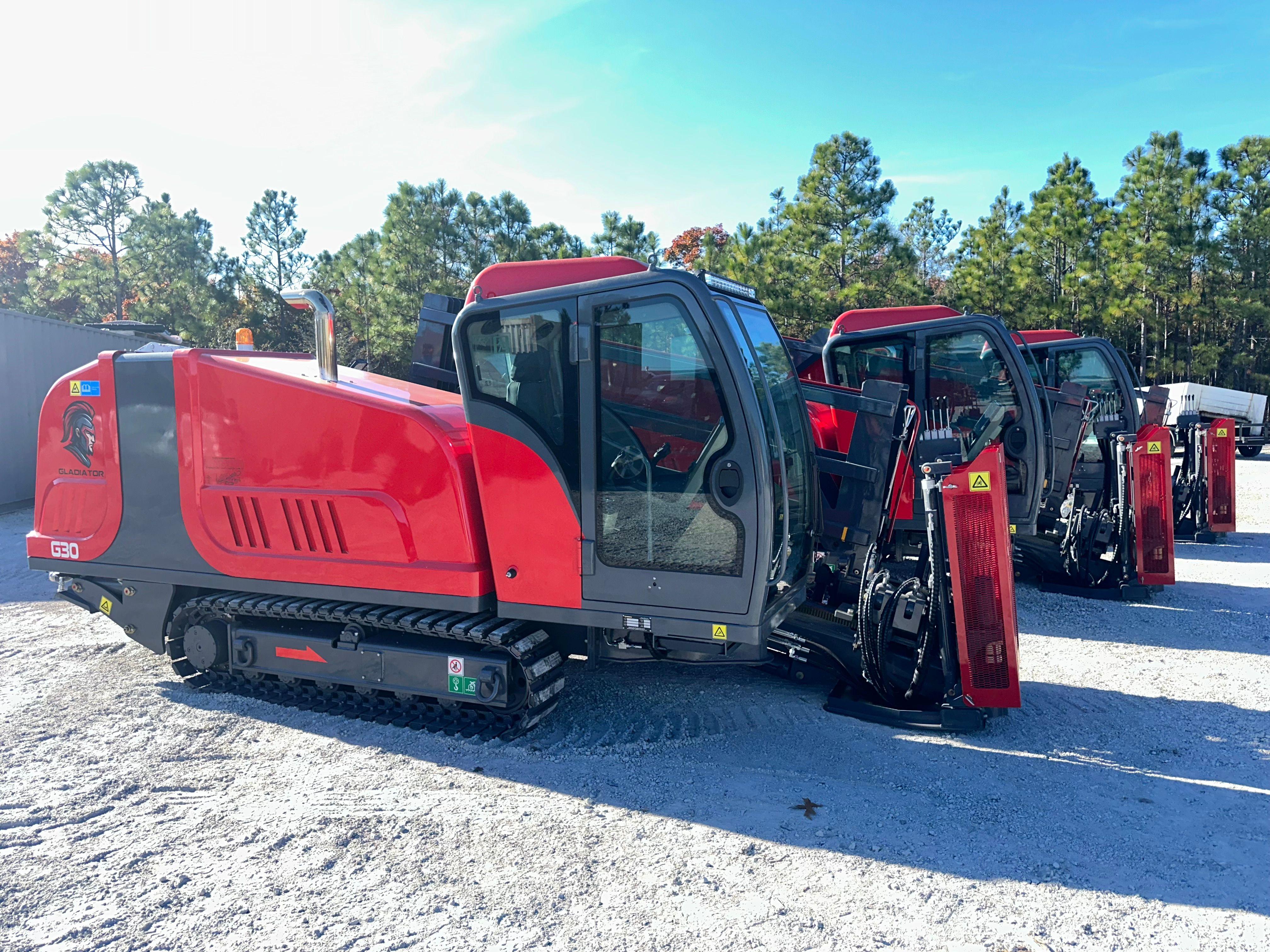
Purchasing machinery is a major investment for construction companies, underground utility contractors, and businesses involved in infrastructure development. Equipment such as horizontal directional drilling rigs, vacuum excavators, tunneling machines, and industrial air compressors can help businesses expand their services and complete projects more efficiently. However, paying the full purchase price upfront can put pressure on working capital, particularly for growing companies managing several projects at once.
Machinery Financing Options allow businesses to spread the cost of equipment over an agreed period instead of using all their available cash at the time of purchase. With a suitable financing arrangement, contractors can invest in the machinery they need while keeping funds available for labor, materials, transportation, maintenance, and other operating expenses.
Wolf Machinery & Supply helps contractors source specialized machinery for underground utility construction and trenchless technology projects. Through its financing partnership with BizFi, the company provides access to financing solutions for eligible buyers purchasing new and used equipment. Understanding the available options can help business owners make informed decisions based on their budget, experience, and long-term plans.
Why Machinery Financing Matters for Growing Businesses
Construction and utility projects often require specialized equipment that represents a significant upfront expense. Buying a directional drilling rig or vacuum excavation machine outright may not be practical for every contractor, especially when the business needs to maintain cash reserves for ongoing operations.
Financing can help distribute equipment costs across multiple payments. This approach may make it easier to plan expenses, preserve working capital, and pursue projects that require additional machinery. Instead of waiting until enough cash has accumulated to purchase a machine, a qualified business may be able to acquire the equipment sooner.
For example, a contractor expanding into fiber-optic installation may need a horizontal directional drilling rig, compatible tooling, locating equipment, and drilling fluid systems. Financing the primary machine could help the business manage the initial investment while planning for other project expenses. The overall decision should still account for interest, fees, repayment obligations, and expected revenue.
Financing is not automatically the right choice for every company. Businesses should compare the total cost of borrowing with the expected benefits of owning the equipment before committing to an agreement.
Explore Financing for New and Used Machinery
One of the first decisions buyers face is whether to purchase new or used machinery. Both options can offer advantages depending on the equipment's condition, the required specifications, and the company's budget.
New machinery may offer updated features, manufacturer support, and warranty coverage where applicable. It can be attractive to contractors who need dependable performance for demanding projects or plan to keep the equipment for an extended period. However, new machines may require a larger investment.
Used equipment can provide access to machinery at a potentially lower purchase price. This may appeal to smaller contractors or established businesses looking to expand their fleets without purchasing every unit new. Before buying used machinery, review its service history, operating condition, available maintenance records, and compatibility with the tools required for your work.
Wolf Machinery & Supply offers access to new and used equipment across categories that include horizontal directional drilling, tunneling, vacuum excavation, and other underground utility applications. Buyers can discuss available machinery and financing possibilities with the company before choosing an option.
Understand Financing Options for New Businesses
Businesses that have operated for less than two years may face different financing requirements from established companies. Lenders often assess the owner's credit profile, the requested amount, the equipment being purchased, and the ability to meet repayment obligations.
Wolf Machinery & Supply describes a financing option for newer businesses, referred to as “New Starts,” through its partnership with BizFi. According to the company's financing information, eligible applicants with a strong personal credit profile may apply for financing ranging from $50,000 to $70,000. An upfront pay-down option may be available under the described arrangement.
These figures represent the published program details, not a guarantee of approval or the amount any individual applicant will receive. Eligibility, repayment terms, required documentation, and final offers should be confirmed directly with the financing provider.
For a new contractor, the most important step is to prepare a realistic business plan. Consider the projects you expect to complete, the revenue the machine may generate, the costs of operating it, and the amount of cash required to keep the business running. A financing payment should remain manageable even if a project is delayed or a customer pays later than expected.
Financing Solutions for Established Businesses
Companies with a longer operating history may have access to additional financing structures. An established business may have documented revenue, existing customer relationships, a record of completed projects, and a clearer understanding of its equipment requirements.
Wolf Machinery & Supply lists an application-only financing option for businesses operating for more than two years, with financing amounts described as ranging from $100,000 to $500,000. The company states that the online application can be completed in less than three minutes and involves a soft credit inquiry. Applicants should confirm the current application process, approval requirements, and the precise terms offered by the financing provider.
An application-only process may reduce the paperwork required at the initial stage, but businesses should not assume that every application will be approved without additional information. The lender may request supporting documents depending on the applicant and transaction.
Established contractors should compare the proposed payment schedule with their project pipeline and cash flow. A machine that supports several profitable projects may justify the investment, while equipment that remains idle for long periods can become a financial burden. Choosing machinery based on actual workload rather than optimistic revenue forecasts can help reduce unnecessary risk.
Corporate Financing for Larger Companies
Larger organizations may require substantial equipment investments to support multiple crews, expand into new markets, or undertake complex infrastructure projects. Their financing needs can differ from those of small businesses because the requested amount, company structure, and repayment arrangements may be more complicated.
Wolf Machinery & Supply describes a “Corporate Only” financing category for companies with more than five years in business, over 20 full-time employees, and a borrowing history. Interested companies are advised to contact the financing representative with their business information. Some applications may require confirmation using company financial statements.
Corporate buyers should prepare information about their operating history, equipment requirements, existing financial commitments, and expected use of the machinery. They should also determine whether the purchase should be financed through the operating company or another appropriate business structure, taking professional financial advice where necessary.
For equipment purchases exceeding $500,000, Wolf Machinery & Supply advises buyers to contact the financing team for details about a more comprehensive financial package. Larger transactions may require a more detailed assessment of the business and proposed purchase.
Choose Machinery That Supports Your Business Goals
Selecting the right equipment is just as important as choosing a financing plan. The machine should match the work your business performs and the conditions in which your crews operate.
Horizontal directional drilling rigs are used to install underground utilities such as water lines, sewer connections, gas lines, telecommunications cables, and fiber-optic infrastructure. The appropriate rig depends on bore length, ground conditions, required torque and pullback capacity, and available working space.
Vacuum excavators can support utility exposure and other excavation tasks where controlled soil removal is required. Tunneling and auger boring equipment may be appropriate for specialized underground installations, while air compressors and related support equipment can help meet the requirements of particular jobsite applications.
Before financing a machine, compare its specifications with your expected workload. Consider whether additional tooling, locators, drill rods, fluid systems, trailers, or other accessories will be required. These supporting items can influence the total project investment and should be included in the budget where necessary.
Wolf Machinery & Supply works with customers to identify equipment for their underground construction needs. Discussing your intended applications with the sales team can help you understand the machinery options available and whether financing support may be appropriate.
Compare the Total Cost of Financing
Monthly payments alone do not show the complete cost of an equipment purchase. Buyers should review the interest rate, loan term, fees, required down payment, and any additional contractual obligations before signing an agreement.
A longer repayment period may reduce the size of each payment but could increase the total interest paid. A shorter term may reduce overall borrowing costs but require higher payments that place more pressure on monthly cash flow.
It is also important to consider the costs of operating the equipment. Fuel, maintenance, repairs, insurance, transportation, attachments, and operator expenses can all affect the financial return from a machine.
Prepare a cash-flow forecast that includes expected project income and equipment-related expenses. Test whether the business could continue making payments if a major project were postponed or revenue temporarily decreased. Comparing financing offers on the basis of their full cost and contractual conditions can help you select an arrangement that suits your circumstances.
Eligible U.S. businesses may also wish to ask a qualified tax professional about Section 179 and other applicable depreciation rules. Tax treatment depends on current law and the individual business's circumstances, so potential tax benefits should not be treated as guaranteed savings.
How to Apply for Machinery Financing
The application process generally begins with identifying the equipment you want to purchase and determining the approximate amount you need to finance. You can then review the available financing category and ask the provider about eligibility requirements.
Prepare accurate business information, details about the machinery, and any financial documentation requested. Depending on the financing arrangement, the provider may consider your business history, personal or business credit profile, revenue, and ability to make the required payments.
Once you receive an offer, review the complete agreement carefully. Confirm the amount financed, payment schedule, total repayment cost, fees, and any conditions that apply to the equipment. Do not commit until you understand your obligations and are comfortable that the purchase fits your business plan.
To learn about the options described by Wolf Machinery & Supply, visit its Machinery Financing page. You can also contact the company through its official website to discuss equipment availability, purchasing requirements, and the next steps for a financing inquiry.
Conclusion
Machinery Financing Options can help construction and underground utility businesses acquire specialized equipment while managing their available cash. From financing designed for newer businesses to options for established companies and larger corporate buyers, the appropriate arrangement depends on eligibility, equipment requirements, repayment capacity, and the total cost of borrowing.
Wolf Machinery & Supply works with BizFi to provide financing opportunities for eligible customers purchasing new and used machinery. By comparing equipment specifications, preparing a realistic budget, reviewing financing terms, and planning for operating expenses, contractors can make better-informed purchasing decisions.
Before moving forward, assess the work your business expects to undertake, determine which machine will deliver practical value, and confirm the current financing terms directly with the provider. A carefully planned equipment investment can support business growth while helping maintain financial stability.
 Deutsch
 English
 Arabic
 French
 Spanish
 Portuguese
 Turkish
 Dutch
 Italiano
 Russian
 Romaian
 Portuguese (Brazil)
 Greek