


The Future of Multimodal Transportation in Global Logistics
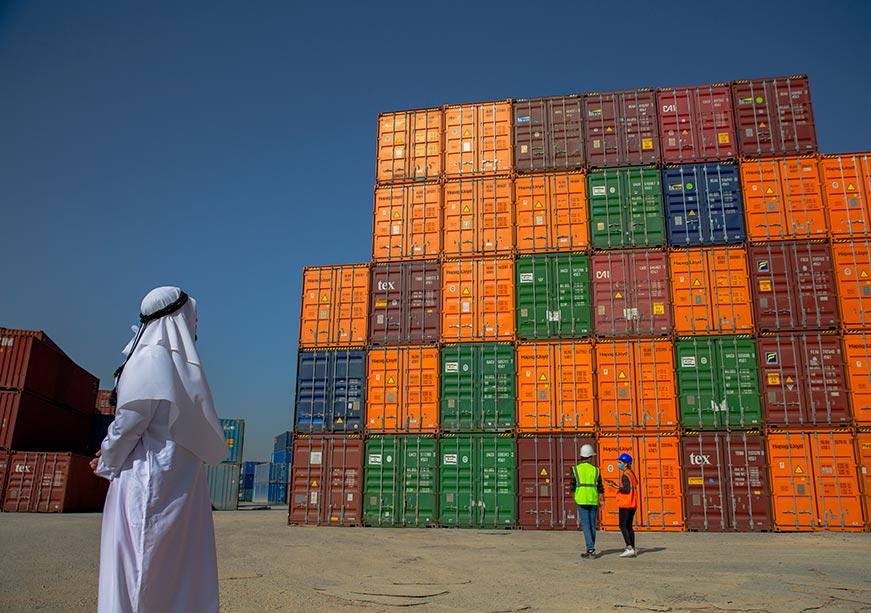
Global trade is changing rapidly. Businesses are looking for faster, more reliable, and cost-effective ways to move goods across international markets. At the same time, supply chains are becoming more complex. Companies must manage different transport routes, customs procedures, delivery schedules, and unexpected disruptions.
Multimodal transportation is becoming an important solution to these challenges. It allows businesses to move goods using two or more modes of transport under a coordinated shipping arrangement. By combining sea, air, road, and rail transportation, companies can create more flexible supply chains and improve the movement of goods.
As technology continues to develop and international trade expands, multimodal transportation is expected to play an even greater role in global logistics. Understanding its future can help businesses prepare for changing market conditions and make better shipping decisions.
What Is Multimodal Transportation?
Multimodal transportation refers to the movement of goods using two or more different modes of transport under a single transport contract. The cargo may travel by road, sea, air, or rail during different stages of its journey.
For example, a shipment may begin with a truck collecting goods from a factory. The cargo may then travel by sea to an international port before being transferred to another truck for final delivery. Each transport mode serves a specific purpose within the overall journey.
The main advantage of this approach is that businesses can combine the strengths of different transportation methods. Sea freight is often suitable for large shipments that are not urgently required. Air freight can help move time-sensitive goods. Road transportation provides flexibility for collection and delivery, while rail can offer an efficient option for certain long-distance routes.
Multimodal transportation helps businesses manage these different requirements within a more coordinated logistics process.
Why Multimodal Transportation Is Becoming More Important
Growing International Trade
International trade continues to connect manufacturers, suppliers, and customers across different countries. Businesses often purchase raw materials from one region, manufacture products in another, and distribute finished goods to several markets.
This creates a need for transportation systems that can support different routes and delivery requirements.
Multimodal transportation allows companies to connect international shipping networks with regional and local distribution systems. It also helps businesses reach destinations that may not have direct access to major seaports or airports.
As companies expand into new markets, flexible transportation arrangements will become increasingly important.
Rising Customer Expectations
Customers now expect products to arrive quickly and in good condition. Delayed shipments can affect customer satisfaction, inventory levels, and business relationships.
Businesses must therefore find ways to improve delivery performance without increasing logistics costs unnecessarily.
Multimodal transportation offers more routing options. If one transport mode becomes unsuitable because of delays, capacity shortages, or operational problems, logistics teams may be able to consider another route or transportation combination.
This flexibility can help businesses respond more effectively to changing customer requirements.
Supply Chain Disruptions
Global supply chains can face many challenges. Weather conditions, port congestion, customs delays, political developments, and limited transport capacity can affect the movement of goods.
Depending on a single route or transport mode may expose businesses to greater operational risk.
Multimodal transportation allows companies to explore alternative routes and distribution arrangements. Although it cannot eliminate every disruption, it can help reduce dependence on a single transportation option.
The Role of Technology in the Future of Multimodal Logistics
Technology is expected to have a major influence on how multimodal transportation develops. Digital tools are helping logistics companies manage information, coordinate shipments, and improve communication between different parties.
Real-Time Shipment Tracking
Shipment visibility is becoming an important requirement for businesses involved in international trade.
Modern tracking systems can provide updates about cargo movement, estimated arrival times, and important transportation milestones. This information helps businesses understand where their shipments are and prepare for upcoming deliveries.
In multimodal transportation, visibility is especially important because cargo may move between different carriers, terminals, and transport modes.
Better tracking can help reduce uncertainty and make it easier to identify delays before they create larger problems.
Artificial Intelligence and Predictive Planning
Artificial intelligence is becoming more useful in logistics planning. AI-powered systems can analyse historical shipment information, traffic conditions, weather forecasts, and transport capacity.
These insights may help logistics teams identify suitable routes and estimate possible delays.
Predictive planning can also support better inventory management. Businesses may use expected delivery times to decide when to place new orders or adjust warehouse stock levels.
However, AI recommendations still require accurate information and human oversight. Logistics professionals must consider customs requirements, cargo characteristics, and operational limitations before selecting a route.
Digital Documentation
International shipping involves several documents, including commercial invoices, packing lists, bills of lading, and customs declarations.
Manual documentation can create delays when information is incomplete or inconsistent. Digital documentation can help reduce paperwork and improve the exchange of information between businesses, carriers, and customs authorities.
In the future, wider digital adoption may make multimodal transportation more efficient by reducing administrative work and improving coordination between transport providers.
The Growing Importance of Sustainable Transportation
Environmental sustainability is becoming a major consideration in global logistics.
Businesses are under increasing pressure to understand the environmental impact of their supply chains. Transportation is an important area where companies can review their operations and identify opportunities to reduce emissions.
Multimodal transportation can support sustainability when businesses select suitable transport combinations.
Choosing Lower-Emission Transport Options
Different transportation modes have different environmental impacts. For many types of cargo, sea and rail transportation can produce lower emissions per unit of freight than air transportation.
Businesses can use multimodal planning to combine these options where delivery requirements allow.
For example, a company may transport goods by sea for the main international journey and use road transportation for the final delivery. This approach may reduce the need for air freight while maintaining a practical delivery schedule.
The best option depends on the cargo, route, delivery deadline, and available infrastructure.
Improving Cargo Consolidation
Cargo consolidation is another way to improve transportation efficiency.
When smaller shipments are combined into a larger load, businesses can make better use of available container or vehicle capacity. This can reduce unnecessary movements and improve the efficiency of cargo transportation.
Less than Container Load shipping is one example of consolidation in international logistics.
By coordinating shipments from different suppliers, logistics providers can help businesses make more efficient use of transportation resources.
How Ports and Logistics Hubs Will Shape the Future
Ports and logistics hubs are essential to multimodal transportation. They connect international shipping networks with road, rail, air, and regional distribution systems.
As global trade grows, logistics hubs are expected to become more important in managing cargo transfers and supporting international supply chains.
The Importance of Strategic Ports
Major ports provide access to international shipping routes and support the movement of large volumes of cargo.
Ports such as Jebel Ali in Dubai play an important role in connecting international markets with regional distribution networks.
A well-positioned logistics hub can help businesses consolidate cargo, transfer containers, arrange customs procedures, and select suitable onward transportation.
These capabilities are especially useful for companies serving multiple destinations across the Middle East, South Asia, and other international markets.
Transshipment and Cross-Stuffing
Transshipment allows cargo to move from one vessel or transport service to another before reaching its final destination.
Cross-stuffing involves transferring cargo from one container to another. This can be useful when shipments need to be divided, consolidated, or redirected.
These services give businesses greater flexibility when managing international cargo movements.
As trade routes develop, logistics hubs that offer efficient cargo handling and coordinated transport connections may become increasingly valuable.
The Future of Multimodal Transportation in the UAE and Pakistan
The UAE and Pakistan have important commercial connections through shipping, trade, and regional distribution networks.
Dubai serves as a major international logistics centre, while Karachi provides access to important Pakistani ports and inland markets.
Businesses moving cargo between these markets often need more than a basic port-to-port shipping service. They may require cargo collection, export documentation, customs clearance, international transportation, and final delivery.
Multimodal transportation can help connect these stages into a more coordinated process.
Businesses looking for support with international cargo movements can explore freight forwarding services, which help coordinate transportation, documentation, and other important stages of the shipping process.
https://nobleline.ae/services/freight-forwarding/
For example, goods may be collected from a supplier in the UAE, transported to a port, shipped by sea to Karachi, cleared through customs, and delivered to an inland destination. Depending on the cargo and final destination, other transportation combinations may also be suitable.
Companies operating across these markets can benefit from understanding local regulations, port procedures, and available transport connections.
Businesses exploring these services can learn more about international shipping and freight forwarding at https://nobleline.ae/
Challenges Businesses Should Consider
Although multimodal transportation offers several advantages, it also involves certain challenges.
Coordination Between Transport Providers
A shipment may involve several carriers, terminals, customs agents, and logistics service providers.
Poor communication between these parties can lead to missed connections, delays, or additional handling costs.
Businesses should understand who is responsible for each stage of the shipment and how information will be shared throughout the journey.
Customs and Documentation Requirements
International cargo movements must comply with the regulations of the countries involved.
Different countries may have different customs procedures, documentation requirements, and cargo restrictions.
Businesses should prepare accurate documents and confirm applicable requirements before shipping. Working with experienced logistics professionals can help identify potential issues and reduce the risk of avoidable delays.
Cost Management
Multimodal transportation may involve several charges, including freight costs, terminal handling, customs clearance, storage, and cargo transfers.
A route with a lower transportation rate may not always be the most economical option once all costs are considered.
Businesses should compare the total logistics cost, expected transit time, and service reliability before selecting a transportation arrangement.
Infrastructure Limitations
Not every country or region has the same level of transportation infrastructure.
Some routes may have limited rail connections, congested ports, or restricted road access. These factors can affect the availability and efficiency of multimodal services.
Businesses should consider the practical conditions of each route when planning international shipments.
How Businesses Can Prepare for the Future
Companies can prepare for changes in global logistics by reviewing their transportation strategies and developing more flexible supply chains.
The first step is to understand their cargo requirements. Shipment size, product type, delivery deadline, and destination all influence the choice of transport mode.
Businesses should also evaluate their current shipping routes. Identifying alternative ports, transport providers, and delivery arrangements can help reduce dependence on a single route.
Investing in better shipment visibility is another useful step. Access to accurate transportation information allows businesses to monitor cargo movements and respond to delays more effectively.
Finally, companies should build relationships with logistics providers that understand their trade requirements and can coordinate different stages of transportation.
A reliable logistics partner can help businesses compare available routes, manage documentation, and select practical solutions based on their shipping needs.
Conclusion
The future of multimodal transportation will be shaped by technology, sustainability, international trade, and the growing need for flexible supply chains.
By combining sea, air, road, and rail transportation, businesses can create shipping arrangements that better match their operational requirements. Digital tracking, predictive planning, and improved cargo coordination are also expected to make multimodal logistics more efficient.
However, successful transportation planning requires more than choosing the fastest or cheapest route. Businesses must consider total costs, customs requirements, cargo handling, and the reliability of each transport connection.
As international trade continues to evolve, multimodal transportation will remain an important part of building more resilient and efficient global supply chains. Businesses that understand its benefits and challenges will be better prepared to manage their logistics operations and serve customers across international markets.
 Turkish
 English
 Arabic
 French
 Spanish
 Portuguese
 Deutsch
 Dutch
 Italiano
 Russian
 Romaian
 Portuguese (Brazil)
 Greek