


What Professional Pest Inspectors Look for During a Property Inspection
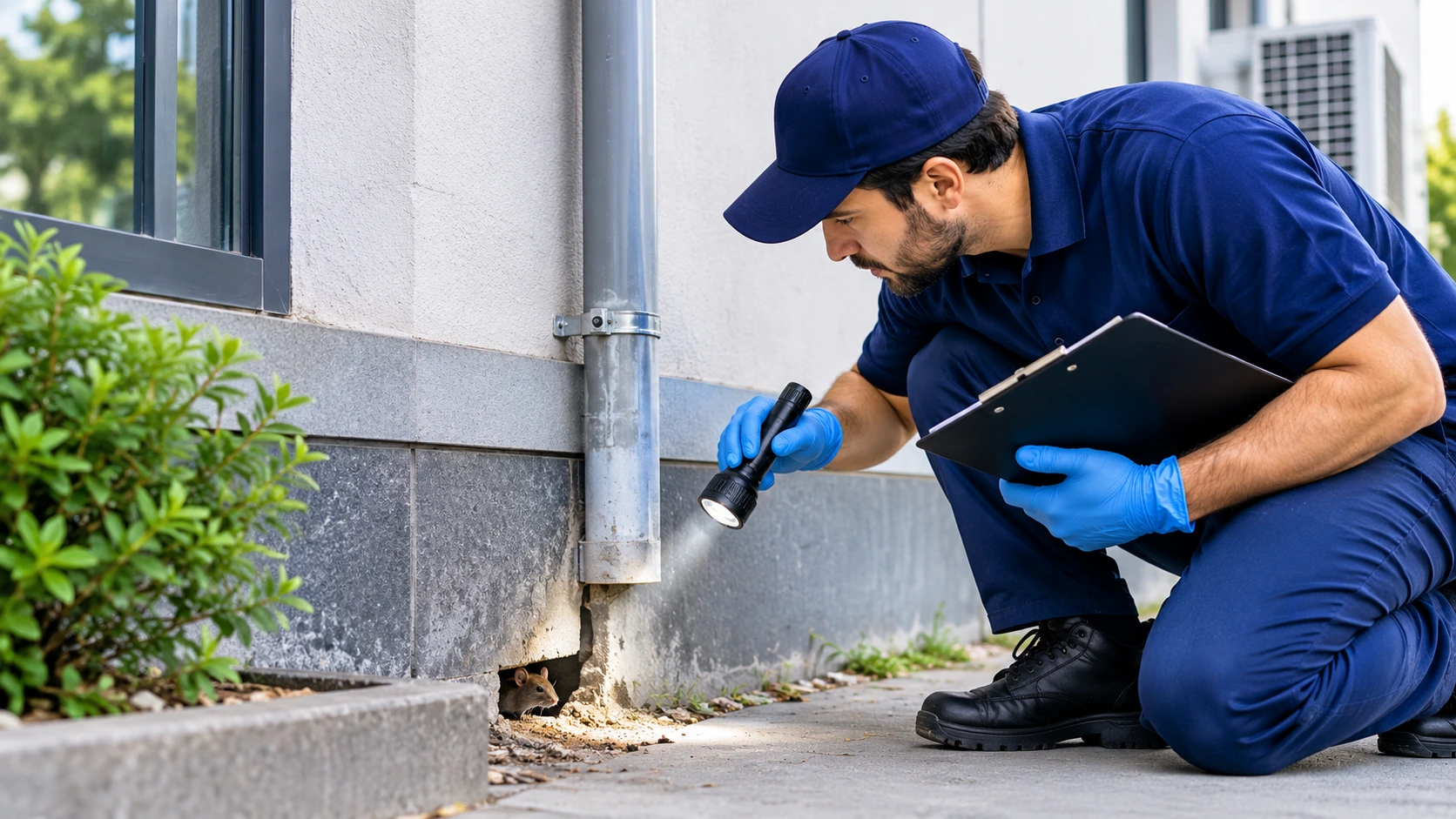
A property can appear clean and well maintained while hidden pest activity develops behind walls, beneath appliances, inside storage areas, or around the foundation. A professional pest inspection helps identify these problems, determine how pests are entering, and reveal the conditions that may encourage future infestations. Early detection can help homeowners and property managers address concerns before they lead to extensive damage or costly treatments.
During an inspection, technicians may look for droppings, insect trails, damaged materials, moisture problems, nesting areas, and structural gaps. These findings can help determine whether rodent exterminator services or another targeted pest management solution is necessary. An effective inspection considers both visible evidence and the environmental conditions that allow pests to survive.
Whether a property is a family home, rental unit, office, or commercial building, understanding what inspectors examine can help owners prepare for an appointment and make informed decisions about pest prevention.
Table of Contents
-
Why Professional Pest Inspections Matter
-
Signs of Pest Activity Inspectors Look For
-
Areas of the Property Inspected
-
Structural Problems and Pest Entry Points
-
Moisture, Food Sources, and Sanitation
-
What Happens After the Inspection?
-
How to Prepare for a Pest Inspection
-
Frequently Asked Questions
1. Why Professional Pest Inspections Matter
A pest inspection is a systematic assessment of a property's condition, pest activity, and potential infestation risks. Its purpose is to identify existing problems and conditions that may allow pests to enter or reproduce.
Inspectors may examine accessible interior spaces, exterior walls, foundations, roof areas, plumbing connections, and storage spaces. The exact scope depends on the property, the suspected pest, and the type of inspection requested.
Regular inspections can help property owners:
-
Identify pest problems before they spread.
-
Detect potential structural damage.
-
Locate entry points that need repair.
-
Recognize moisture and sanitation issues.
-
Develop a targeted pest prevention plan.
-
Determine whether professional treatment is necessary.
According to the U.S. Environmental Protection Agency, inspection, accurate pest identification, monitoring, and corrective measures are important parts of Integrated Pest Management (IPM).
US EPA
+1
2. Signs of Pest Activity Inspectors Look For
Professional inspectors look for physical evidence rather than relying only on pest sightings. Different pests leave different signs, and identifying those clues helps determine the appropriate next steps.
Rodent Droppings and Gnaw Marks
Mice and rats often remain hidden, particularly during the day. Inspectors check for droppings near food storage areas, inside cabinets, beneath sinks, and along walls. They may also look for chewed packaging, damaged materials, nesting debris, and unusual odors.
Other signs include:
-
Greasy marks along frequently used routes.
-
Scratching or movement sounds in walls and ceilings.
-
Burrows near foundations or outdoor storage areas.
-
Small openings around pipes and utility lines.
-
Shredded paper or fabric that may indicate nesting.
These findings can help establish whether rodent activity is present and where it may be concentrated. When evidence suggests an active infestation, targeted rodent control services may be recommended alongside exclusion and sanitation improvements.
US EPA
+1
Cockroach and Ant Activity
Inspectors examine kitchens, bathrooms, utility rooms, and other areas where insects can find food, moisture, and shelter.
For cockroaches, they may look for droppings, egg cases, shed skins, live insects, and activity around appliances or plumbing. For ants, they may follow trails to locate food sources, cracks, and possible nesting areas.
Finding the source is important because treating visible insects alone may not eliminate the underlying problem.
Termite and Wood-Damaging Insect Evidence
Some inspections focus specifically on termites and other organisms that damage wood. Depending on the inspection scope, professionals may check accessible wooden structures, door frames, window frames, foundations, and roof timbers.
Potential warning signs include:
-
Mud tubes associated with some termite species.
-
Damaged or weakened wood.
-
Discarded insect wings.
-
Small exit holes or powder-like material from wood-boring insects.
-
Visible deterioration around wooden components.
Not every mark or patch of damaged wood indicates an active infestation. Inspectors consider the available evidence and may recommend a specialist assessment when further investigation is needed.
3. Areas of the Property Inspected
Pests often hide in locations that receive little attention during routine cleaning. A thorough inspection considers both indoor and outdoor spaces.
|
Property area |
What inspectors examine |
|
Kitchen and pantry |
Droppings, food residue, insect activity, damaged packaging |
|
Bathrooms and laundry rooms |
Leaks, condensation, drain conditions, gaps around pipes |
|
Basement and crawl spaces |
Rodent evidence, moisture, nesting areas, entry points |
|
Attic and roof spaces |
Nesting materials, droppings, damaged insulation, accessible wood |
|
Garage and storage rooms |
Clutter, stored materials, pest evidence, wall openings |
|
Exterior foundation |
Cracks, burrows, vegetation, gaps, potential pest pathways |
|
Doors and windows |
Damaged screens, worn seals, openings around frames |
Hidden Areas Behind Appliances and Fixtures
Refrigerators, stoves, cabinets, and washing machines can create sheltered spaces where pests remain undisturbed. Inspectors may examine accessible areas behind or beneath these fixtures, particularly when previous sightings or droppings suggest activity.
They may also check the undersides of sinks and gaps around plumbing penetrations. These locations can provide access to water, warmth, food residue, and concealed travel routes.
The inspection should respect the property's safety and access limitations. Heavy appliances or fixed equipment should only be moved when it is safe and appropriate to do so.
4. Structural Problems and Pest Entry Points
Even a well-cleaned property can experience pest problems if its structure provides easy access. Inspectors therefore assess openings and defects that allow pests to enter or move between spaces.
Common concerns include:
-
Cracks in foundations and exterior walls.
-
Gaps around water pipes, cables, and utility lines.
-
Damaged window screens.
-
Missing or worn door sweeps.
-
Openings around roof edges and vents.
-
Damaged drain covers or poorly fitted access panels.
Small rodents can pass through surprisingly narrow openings, depending on the species and the shape of the gap. Inspectors may recommend sealing suitable openings with durable, pest-resistant materials.
Correcting these weaknesses can help prevent future activity. However, sealing an opening without understanding whether animals are already inside may create additional problems. The appropriate repair plan should account for the pest and the property's condition.
5. Moisture, Food Sources, and Sanitation
Pests need suitable conditions to survive. Inspectors evaluate whether the property offers accessible food, water, and shelter.
Plumbing Leaks and Standing Water
Leaking pipes, damp walls, clogged drains, and standing water can attract certain insects and support pest activity. Inspectors may document visible moisture problems and recommend plumbing repairs, improved drainage, or better ventilation.
Waste Disposal and Food Storage
Uncovered rubbish, food spills, overflowing bins, and poorly stored ingredients can attract insects and rodents.
Businesses and homeowners should use secure waste containers, clean spills promptly, and store food in appropriate sealed packaging. Outdoor waste areas should also be maintained because pests may travel from these locations into the building.
Clutter and Nesting Opportunities
Cardboard boxes, unused furniture, piles of fabric, and accumulated debris can provide hiding or nesting places. Reducing unnecessary clutter makes it easier to inspect vulnerable areas and identify signs of pest activity.
These preventive measures support IPM by addressing the environmental conditions that encourage infestations.
US EPA
+1
6. What Happens After the Inspection?
Once the assessment is complete, the inspector should explain the findings and outline appropriate next steps.
A useful inspection report may include:
-
Observed evidence: The pests or signs identified during the visit.
-
Affected areas: Locations where activity or damage was found.
-
Possible contributing factors: Entry gaps, moisture, food access, or shelter.
-
Recommended corrective work: Repairs, cleaning, exclusion, or storage improvements.
-
Treatment recommendations: Appropriate pest management options when necessary.
-
Monitoring and follow-up: Steps for checking whether the problem has been resolved.
Recommendations should reflect the evidence gathered rather than assume that every property needs the same treatment.
For example, signs of rodents around a kitchen may require a combination of entry-point repairs, sanitation improvements, monitoring, and professional treatment. A property with no active infestation but several exterior gaps may benefit primarily from preventive maintenance.
7. How to Prepare for a Pest Inspection
Property owners can make an inspection more productive by preparing relevant information and providing safe access to areas of concern.
Before the appointment:
-
Record where and when pests have been seen.
-
Photograph visible damage or pest evidence if possible.
-
Identify rooms with unusual odors or scratching sounds.
-
Clear access to sinks, cabinets, storage spaces, and utility areas.
-
Mention previous pest treatments and recurring problems.
-
Inform the inspector about pets, children, restricted areas, or relevant safety concerns.
Do not disturb suspected nests or handle unknown droppings and pest remains unnecessarily. If rodent contamination is suspected, ask the professional for appropriate cleanup guidance.
Preparation allows the inspector to focus on likely problem areas and develop more useful recommendations.
Frequently Asked Questions
1. How long does a professional pest inspection take?
The duration depends on the property's size, accessibility, inspection scope, and signs of pest activity.
2. Do inspectors look for pests even when none are visible?
Yes. They examine indirect evidence such as droppings, damage, nesting materials, insect remains, and potential entry points.
3. Can a pest inspection identify hidden rodent activity?
An inspection may identify evidence of concealed rodent activity, although inaccessible areas can limit what is confirmed during a visit.
4. Should a property be cleaned before a pest inspection?
Routine cleaning is fine, but avoid removing all evidence of recent activity before the inspector has a chance to assess it.
5. What happens if an inspector finds pests?
The inspector explains the findings and may recommend targeted treatment, structural repairs, sanitation improvements, monitoring, or further specialist evaluation.
6. How often should a property be inspected for pests?
Frequency depends on the property's risk factors, previous infestations, building conditions, and any applicable industry requirements.
Conclusion
Professional pest inspections help property owners understand what is happening inside and around their buildings. By checking for pest evidence, structural weaknesses, moisture problems, food sources, and concealed nesting areas, inspectors can identify risks and recommend practical prevention measures.
The most effective approach combines accurate identification, timely repairs, good sanitation, and appropriate professional treatment. When rodent evidence is present, rodent control services may form part of a broader plan to eliminate activity and reduce the likelihood of recurrence.
Regular monitoring and prompt attention to inspection findings can help homeowners, landlords, and businesses maintain cleaner, better-protected properties.

 English
 French
 Spanish
 Portuguese
 Deutsch
 Turkish
 Dutch
 Italiano
 Russian
 Romaian
 Portuguese (Brazil)
 Greek